


Sattu Calories 101: Nutrition Facts Revealed

Get personalised recommendations with our assessment.
Personalised Health Diagnosis (PHD)
Ancient grains are making a serious comeback, and sattu is leading the charge. This traditional flour, made from roasted chickpeas and grains, has been nourishing communities for centuries. Now, modern nutrition science is catching up to what our ancestors knew all along. With its impressive protein density and complex nutritional profile, sattu delivers serious health benefits without the marketing gimmicks.
Let's dive deep into the numbers that matter—starting with exactly how many calories you're getting per 100g and why this matters for your health goals.
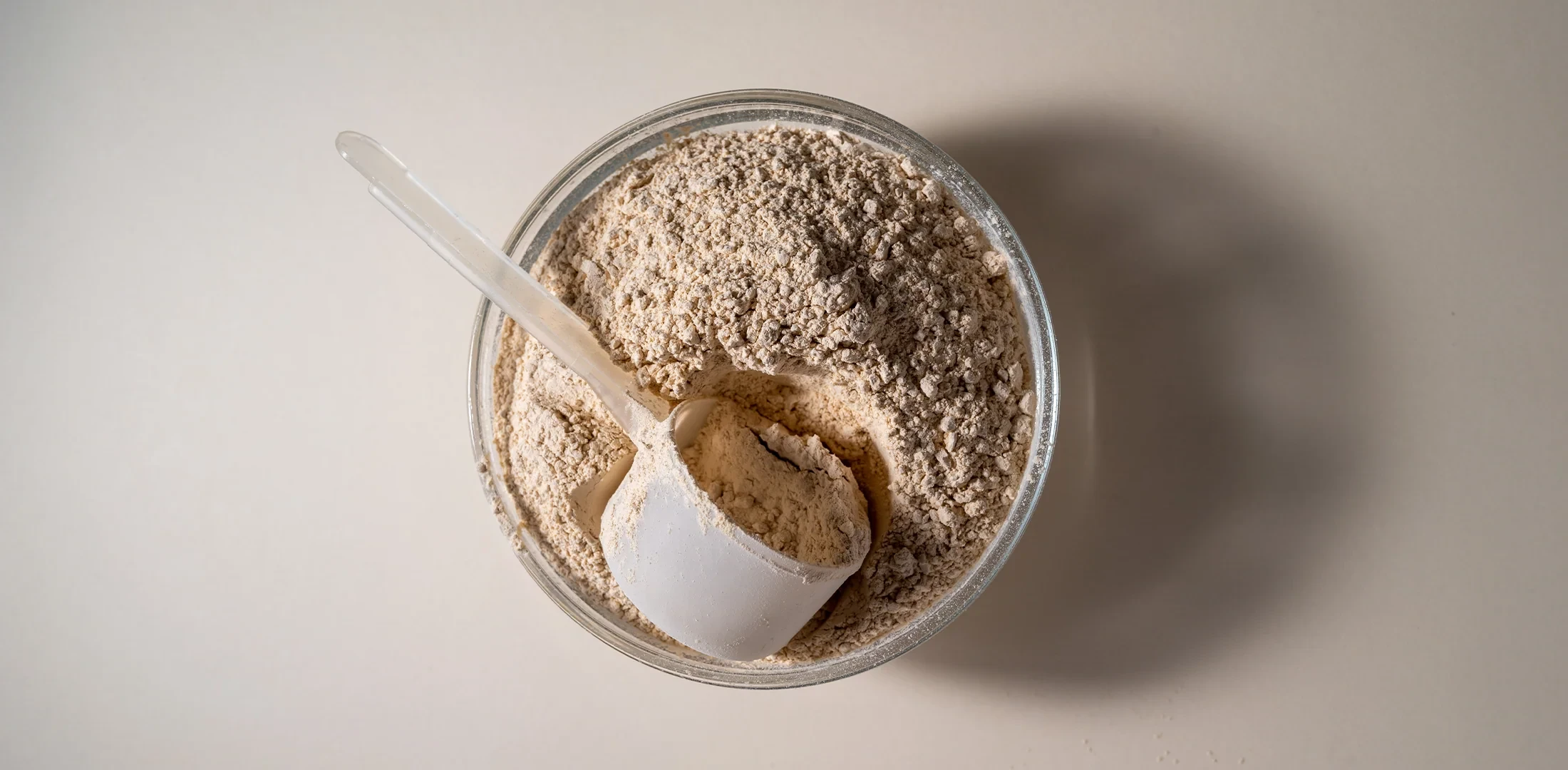
Sattu packs approximately 413-422 calories per 100g, making it a nutrient-dense powerhouse that delivers serious energy value. This calorie count places it in the sweet spot between being energy-rich enough to fuel your day while remaining manageable for weight-conscious individuals. To put this in perspective, 100g of sattu contains roughly the same calories as 100g of quinoa flour (368 calories) but significantly more than chickpea flour alone (387 calories). The difference lies in sattu's unique roasting process and multi-grain composition, which concentrates nutrients while enhancing digestibility.
The calorie breakdown reveals why sattu is such a balanced nutrition source. Approximately 65% of calories come from complex carbohydrates, 18% from high-quality protein, and 15% from healthy fats. This distribution supports sustained energy release rather than quick spikes and crashes.
For most adults, a 25-30g serving (roughly 2-3 tablespoons) provides 103-127 calories—perfect for a nutritious snack or meal component. This serving size delivers substantial nutrition without overwhelming your daily calorie budget.
Sattu's nutritional value extends far beyond its calorie content. This ancient superfood delivers a comprehensive array of macronutrients and micronutrients that support multiple aspects of health. The roasting process not only enhances flavor but also improves nutrient bioavailability, making this traditional food remarkably modern in its nutritional efficiency.
The protein content in sattu ranges from 18-20g per 100g, making it comparable to many commercial protein powders. This plant-based protein provides all essential amino acids, though in varying concentrations. The protein quality supports muscle maintenance and growth while being gentle on the digestive system. Carbohydrate content sits at 65-68g per 100g, with the majority being complex carbohydrates that provide sustained energy. The fiber content of 8-10g supports digestive health and helps regulate blood sugar levels.
Sattu delivers impressive amounts of iron (4-6mg per 100g), magnesium (150-180mg), and phosphorus (200-250mg). These minerals support energy metabolism, bone health, and cellular function. The B-vitamin complex, particularly folate and niacin, supports nervous system function and energy production.
With a glycemic index of 35-45, sattu falls into the low to moderate range, making it an excellent choice for blood sugar management. This relatively low glycemic response stems from its high fibre content and complex carbohydrate structure. The roasting process creates resistant starches that further slow glucose absorption. Unlike refined grains that cause rapid blood sugar spikes, sattu provides steady glucose release over 2-3 hours. This sustained energy release prevents the energy crashes associated with high-glycemic foods. For individuals managing diabetes or prediabetes, sattu offers a way to enjoy satisfying meals without compromising blood sugar control.
Consuming sattu during morning hours or pre-workout provides sustained energy without afternoon crashes. The combination of protein, fibre, and complex carbohydrates creates a metabolic environment that supports stable blood glucose throughout the day.
Sattu's benefits extend well beyond basic nutrition, offering therapeutic properties that support multiple body systems. The traditional use of sattu in Ayurvedic medicine aligns remarkably well with modern nutritional science, validating centuries of empirical knowledge.
The prebiotic fiber in sattu feeds beneficial gut bacteria, promoting a healthy microbiome. This fiber also aids in regular bowel movements and can help alleviate common digestive issues like bloating and acidity. The roasting process makes sattu easier to digest than raw legumes while preserving beneficial compounds.
Sattu's high protein and fiber content creates powerful satiety signals, helping control appetite naturally. The thermogenic effect of protein metabolism means your body burns more calories processing sattu compared to refined carbohydrates. This metabolic boost, combined with sustained energy release, supports healthy weight management without restrictive dieting.
The potassium content in sattu supports heart health and blood pressure regulation. Meanwhile, the complete amino acid profile provides building blocks for muscle protein synthesis, making it valuable for both athletes and aging adults looking to maintain muscle mass.
Sattu's role in weight management goes beyond simple calorie counting. The combination of high-quality protein and fibre creates a powerful appetite control mechanism that works with your body's natural hunger signals rather than against them. Research shows that protein-rich foods like sattu increase production of satiety hormones while reducing hunger hormones. This hormonal response can reduce overall calorie intake by 15-20% without conscious restriction. The fibre content adds bulk to meals, creating physical satiety alongside hormonal signals.
For weight loss goals, 20-25g servings (about 85-105 calories) work best when consumed 30 minutes before main meals. This timing allows the protein and fiber to activate satiety mechanisms, naturally reducing portion sizes at subsequent meals.
Unlike crash diets or extreme restrictions, sattu supports sustainable weight loss by providing essential nutrients while controlling hunger. The steady energy release prevents the metabolic slowdown often associated with low-calorie diets.
Sattu's versatility makes it easy to integrate into modern eating patterns without completely overhauling your diet. The key is starting with small amounts and gradually increasing as your digestive system adapts to the increased fiber intake.
The classic sattu drink combines 2-3 tablespoons of sattu with water, lemon juice, and spices like cumin or black salt. This traditional preparation maximizes hydration while delivering concentrated nutrition. Regional variations include sweet versions with jaggery or savory versions with mint and ginger.
Post-workout smoothies benefit from sattu's protein content and natural electrolytes. Mixing sattu with fruits and plant-based milk creates a recovery drink that rivals commercial protein powders. For breakfast, sattu can be stirred into oatmeal or yogurt for added protein and fibre.
Most adults can safely consume 30-50g of sattu daily, divided into 2-3 servings. Start with 15-20g daily for the first week to allow digestive adaptation. Timing matters—consuming sattu with adequate water prevents digestive discomfort while maximizing nutrient absorption.
Answer: One tablespoon (approximately 10g) of sattu contains about 41-42 calories. This makes it an excellent low-calorie addition to drinks and meals while providing substantial nutrition.
Answer: Sattu supports both goals depending on how you use it. For weight loss, consume smaller portions (20-25g) before meals to control appetite. For weight gain, use larger portions (40-50g) as meal additions or post-workout recovery drinks.
Answer: Yes, sattu's low glycemic index (35-45) makes it suitable for daily consumption by diabetics. The high fibre and protein content help regulate blood sugar levels, but portion control and timing remain important.
Answer: Sattu provides 18-20g of plant-based protein per 100g with a complete amino acid profile, though not as concentrated as whey protein. However, sattu offers additional benefits like fibre, minerals, and complex carbohydrates that whey lacks.
Answer: While protein powders may have higher protein concentrations, sattu provides a more complete nutritional profile including fibre, minerals, and complex carbohydrates. Sattu also avoids artificial additives common in processed protein supplements.
Answer: Traditional sattu made from chickpeas and legumes is naturally gluten-free. However, some commercial varieties may include wheat or barley, so always check ingredient labels if you have gluten sensitivity.
Answer: Morning consumption provides sustained energy throughout the day, while pre-workout timing (30-60 minutes before exercise) supports performance and recovery. Avoid consuming large amounts late in the evening to prevent digestive discomfort.
Answer: Most adults can safely consume 30-50g daily, divided into 2-3 servings. Start with 15-20g daily for the first week, then gradually increase based on your digestive tolerance and health goals.
Sattu delivers impressive nutritional value with 413-422 calories per 100g, packed with high-quality protein, complex carbohydrates, and essential minerals. Its low glycemic index and high fibre content make it excellent for blood sugar management and sustainable weight control. The versatility of sattu allows easy integration into modern diets while providing the nutritional benefits our ancestors valued. Whether you're looking to manage weight, support muscle health, or simply add more plant-based nutrition to your diet, sattu offers a science-backed solution rooted in traditional wisdom.


Someone sent you
Powered by ReferRush