


Rajma Nutrition: Complete Guide for Health

Get personalised recommendations with our assessment.
Personalised Health Diagnosis (PHD)
Rajma isn't just comfort food—it's a nutritional powerhouse that's been fueling Indian households for generations. While most people know kidney beans as the star of Sunday lunches, few realize they're sitting on a goldmine of plant-based nutrition. From muscle-building protein to gut-loving fibre, rajma packs more nutritional punch per gram than most so-called superfoods. Let's break down why this humble legume deserves a permanent spot in your weekly meal rotation and how its impressive nutritional profile can transform your health game.
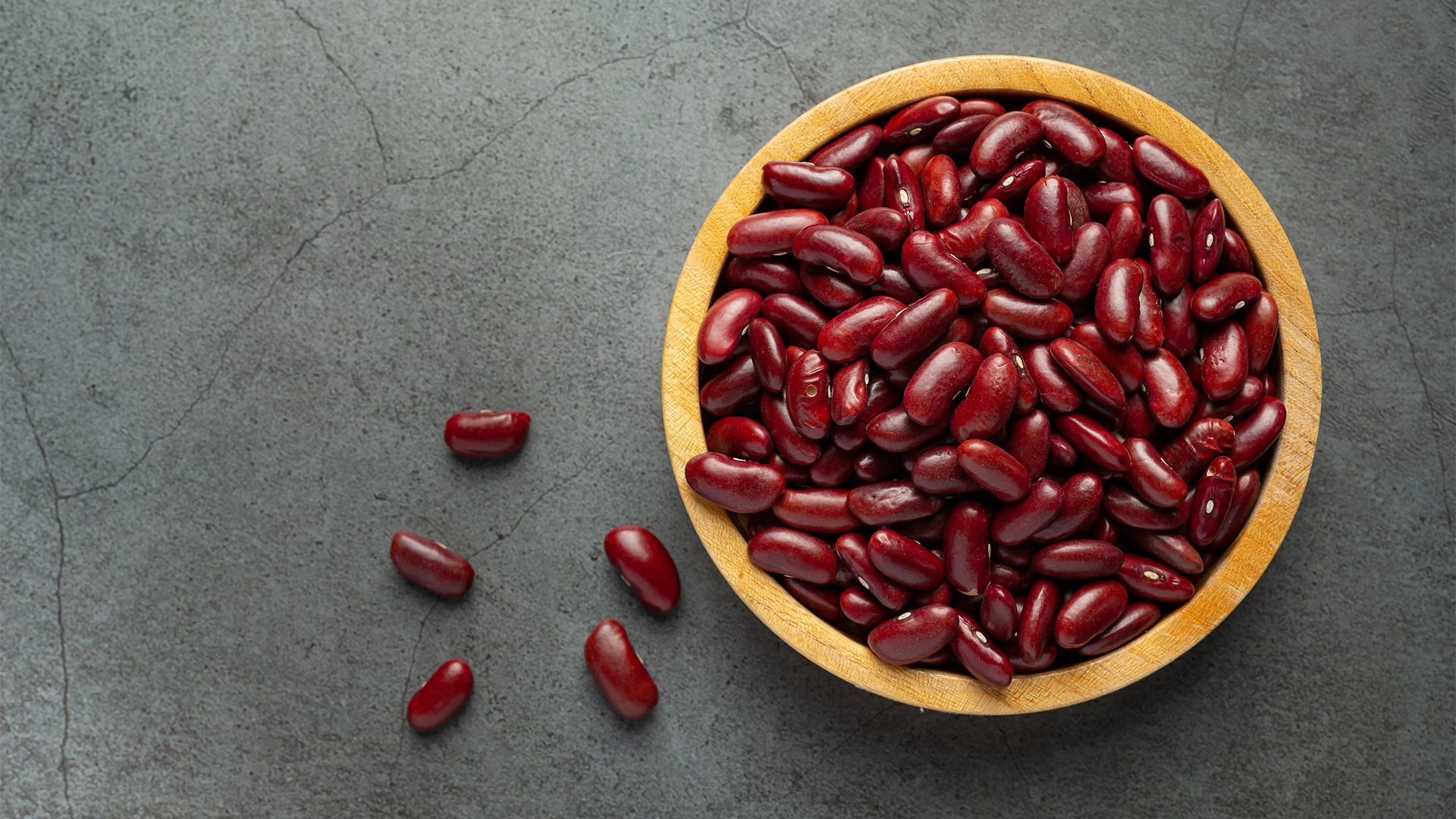
Rajma, scientifically known as Phaseolus vulgaris, belongs to the common bean family and comes in several varieties including red kidney beans, white kidney beans, and the spotted chitra rajma. The kidney beans nutritional value varies slightly between varieties, but red rajma remains the most popular choice in Indian cuisine. The nutritional content of rajma changes dramatically between raw and cooked forms. Raw kidney beans contain harmful compounds called lectins and should never be consumed uncooked. Proper soaking and cooking not only eliminates these antinutrients but also makes the rajma nutritional value more bioavailable for your body to absorb and utilize effectively.
Proper preparation isn't just about safety—it's about maximizing nutrition. Soaking rajma for 8-12 hours reduces cooking time and breaks down complex sugars that can cause digestive discomfort. This process also increases the bioavailability of minerals like iron and zinc, making your body work smarter, not harder.
Here's where rajma truly shines. A 100g serving of boiled rajma delivers a complete nutritional package that puts many expensive supplements to shame. The numbers don't lie—this legume is nature's multivitamin wrapped in a delicious, filling package.
• Calories: 127 kcal - perfect for weight management without sacrificing nutrition
• Rajma protein content: 8.7g - nearly 20% of your daily protein needs
• Rajma carbs: 22.8g - complex carbohydrates for sustained energy release
• Rajma fibre: 6.4g - about 25% of your daily fiber requirements
• Fat content: 0.5g - naturally low-fat for heart health
• Folate (Vitamin B9): 130 mcg - crucial for DNA synthesis and brain function
• Iron: 2.9mg - supports oxygen transport and prevents fatigue
• Potassium: 405mg - regulates blood pressure and heart rhythm
• Magnesium: 45mg - essential for muscle and nerve function
• Phosphorus: 142mg - works with calcium for bone health
• Zinc: 1.0mg - boosts immune system and wound healing
• Copper: 0.2mg - aids iron absorption and collagen formation
The health benefits of rajma extend far beyond basic nutrition. This legume acts as a functional food, actively supporting your body's most critical systems. From gut microbiome enhancement to metabolic optimization, rajma works on multiple fronts to elevate your health.
The high rajma fibre content acts as a prebiotic, feeding beneficial gut bacteria that produce short-chain fatty acids. These compounds reduce inflammation, strengthen the intestinal barrier, and support immune function. Regular rajma consumption can significantly improve gut diversity—a key marker of overall health.
Rajma's low rajma glycemic index (around 19-29) makes it exceptional for blood sugar control. The combination of protein, fibre, and complex carbohydrates creates a sustained energy release that prevents blood sugar spikes and crashes. This makes rajma particularly valuable for diabetes management and weight control.
• Bone Health: The calcium-magnesium-phosphorus trio supports bone density
• Brain Function: Folate and magnesium enhance cognitive performance
• Immune Support: Antioxidants and zinc strengthen immune response
• Heart Health: Potassium and fibre support cardiovascular function
With 8.7g of protein per 100g, rajma delivers impressive rajma protein content that rivals many animal sources. While it's not a complete protein on its own, combining rajma with rice creates a complete amino acid profile that matches the quality of animal proteins. The protein in rajma is particularly rich in lysine, an amino acid often lacking in grains. This makes the classic rajma-chawal combination nutritionally brilliant—your ancestors knew what they were doing. The protein digestibility improves significantly with proper cooking, making it an excellent choice for vegetarians and vegans looking to meet their protein needs.
To enhance protein utilization, pair rajma with vitamin C-rich foods like tomatoes or bell peppers. The vitamin C not only improves iron absorption but also supports collagen synthesis, making your protein work double duty for muscle building and skin health.
Red rajma leads the pack in terms of antioxidant content, thanks to its deep color from anthocyanins—the same compounds that make blueberries a superfood. White kidney beans offer similar protein and fibre content but with fewer antioxidants. Chitra rajma, with its distinctive spotted appearance, falls somewhere between red and white varieties in terms of antioxidant content but offers slightly higher iron levels. For maximum nutritional bang for your buck, red rajma remains the top choice, delivering superior antioxidant protection alongside excellent macronutrient profiles.
While all kidney bean varieties offer excellent nutrition, red rajma provides the best overall package. Its higher antioxidant content, combined with robust flavor and texture, makes it the optimal choice for both nutrition and culinary satisfaction.
Proper preparation transforms rajma from a potentially problematic food into a nutritional superstar. The key lies in understanding how soaking and cooking affect nutrient availability and digestibility.
Soak rajma for 8-12 hours in plenty of water, changing the water once halfway through. This process reduces antinutrients like phytic acid and oligosaccharides that can cause digestive discomfort. Pressure cooking for 15-20 minutes after soaking provides the best balance of nutrient retention and digestibility.
Add a pinch of turmeric while cooking to boost antioxidant activity. Include onions, garlic, and ginger not just for flavor—these aromatics contain compounds that enhance mineral absorption. Finishing with fresh herbs like cilantro adds vitamin C and additional antioxidants.
Answer: Yes, rajma contains 8.7g of protein per 100g serving, making it an excellent plant-based protein source. This accounts for approximately 17% of the daily protein requirement for an average adult.
Answer: Rajma supports digestive health through high fibre content, helps regulate blood sugar due to its low glycemic index, provides essential minerals for bone health, and offers antioxidants for immune support and inflammation reduction.
Answer: Yes, consuming 100g of properly cooked rajma daily is safe and beneficial for most people. This amount provides significant protein, fibre, and essential nutrients without exceeding recommended legume intake guidelines.
Answer: Rajma has a low glycemic index ranging from 19-29, making it excellent for blood sugar management. This low GI helps prevent blood sugar spikes and supports sustained energy levels.
Answer: Properly soaked and cooked rajma is easily digestible. Initial consumption may cause mild digestive adjustment due to high fibre content, but regular consumption typically improves tolerance and gut health.
Answer: Rajma offers higher protein content than most lentils and comparable fibre to chickpeas. Its mineral profile, particularly iron and folate content, makes it nutritionally superior to many common legumes.
Rajma stands out as a nutritional powerhouse that delivers exceptional value for your health investment. With impressive protein content, gut-supporting fiber, and a comprehensive mineral profile, it's far more than just comfort food—it's functional nutrition at its finest. The key to maximizing rajma's benefits lies in proper preparation and regular consumption. When you soak, cook, and pair it correctly, you're not just eating a meal—you're fueling your body with clean, plant-powered nutrition that supports everything from gut health to metabolic balance. Make rajma a weekly staple, not an occasional treat. Your gut microbiome, blood sugar levels, and overall health will thank you for choosing this time-tested nutritional champion over processed alternatives.


Someone sent you
Powered by ReferRush