


Protein in Dal vs. Other Legumes: A Comprehensive Comparison

Get personalised recommendations with our assessment.
Personalised Health Diagnosis (PHD)
When it comes to protein in dal, most people think they're getting a decent dose of plant-powered nutrition. But here's where things get interesting—not all dals are created equal when it comes to protein content, and the differences might surprise you. While dal has been a cornerstone of vegetarian diets for centuries, the actual protein content in lentils varies dramatically across different varieties. Some pack nearly double the protein punch of others, and understanding these differences can completely transform your approach to plant-based nutrition. Let's dive deep into the protein powerhouse that is dal and see how it stacks up against other legumes in the nutrition game.
The protein content in lentils isn't just a random number on a nutrition label—it's the result of complex biochemical processes that occur during the plant's growth cycle. Raw dal typically contains between 20-26 grams of protein per 100 grams, but this figure changes significantly once you cook it. When dal absorbs water during cooking, the protein concentration drops to approximately 7-9 grams per 100 grams of cooked dal. This dilution effect doesn't mean you're losing protein—you're just adding water weight. The actual protein molecules remain intact, making lentil protein nutrition a reliable source of essential amino acids. What makes dal particularly interesting from a nutritional standpoint is its protein density compared to volume. Unlike many other plant proteins that require large portions to deliver meaningful amounts, dal packs significant protein into relatively small servings.
Soil quality, climate conditions, and harvesting methods all play crucial roles in determining the final protein content of different dal varieties. Lentils grown in nitrogen-rich soil typically develop higher protein concentrations, while those from nutrient-depleted soils may fall short of their potential.
Understanding the raw-to-cooked conversion is essential for accurate protein tracking. A 50-gram serving of raw dal (roughly one-quarter cup) provides about 12-13 grams of protein, which translates to approximately 150 grams of cooked dal.
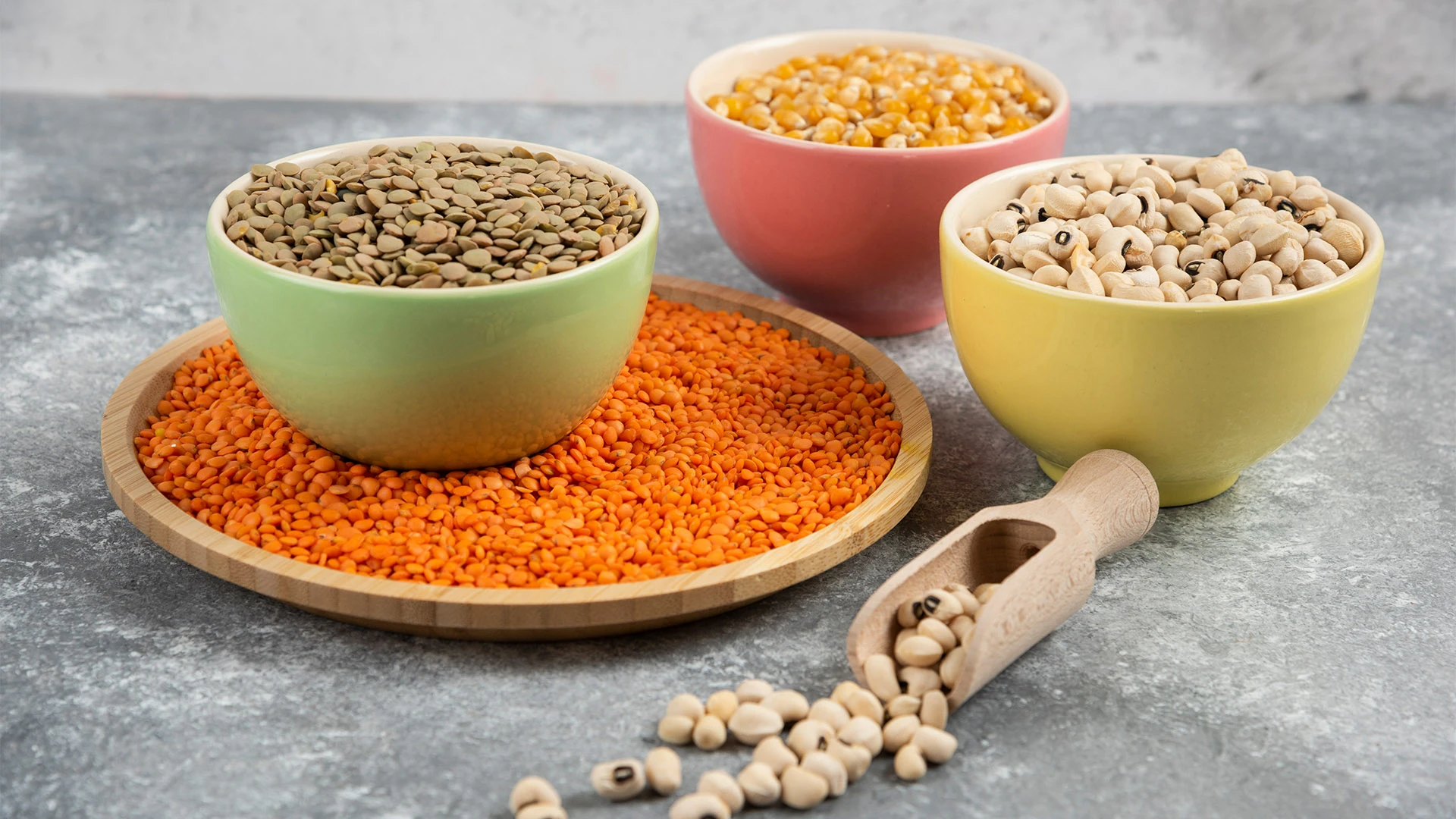
Not all dals deserve equal respect when it comes to protein content. Some varieties stand out as genuine high protein legumes that can seriously boost your daily intake. Masoor dal leads the pack with an impressive 26 grams of protein per 100 grams of raw lentils, making it one of the most protein-dense plant foods available. Chana dal follows closely with 25 grams per 100 grams, while moong dal and urad dal both deliver around 24 grams. These numbers put dal in direct competition with many animal-based proteins, making them excellent choices for protein-rich vegetarian meals. The benefits of protein in dal extend beyond just quantity—the quality of this protein is remarkably high for a plant source.
Red lentils don't just win on protein content—they also cook faster than most other varieties, making them perfect for quick, high-protein meals. Their mild flavor profile makes them incredibly versatile for various cuisines.
Split chickpeas offer an excellent balance of protein and fibre, with the added benefit of keeping you full longer. This makes chana dal particularly effective for weight management while maintaining high protein intake.
Green gram is often recommended for its easy digestibility, making it an excellent choice for those with sensitive stomachs who still want to maximize their protein intake.
The lentil protein composition tells a more complex story than simple protein percentages. Dal contains all essential amino acids, though it's relatively low in methionine compared to animal proteins. This doesn't make it inferior—it just means strategic combining with other foods can optimize its nutritional value. Lentil protein digestibility scores between 70-80% on digestibility scales, which is impressive for plant proteins. This means your body can actually use most of the protein you consume from dal, unlike some plant proteins that pass through your system largely unused. The protein quality improves significantly when dal is combined with grains like rice or wheat, creating a complete amino acid profile.
Dal is particularly rich in lysine, an amino acid often lacking in grain-based diets. This makes it an excellent complementary protein for those following grain-heavy eating patterns.
Soaking and sprouting dal can increase protein bioavailability by reducing anti-nutritional factors that might interfere with absorption. This simple preparation step can boost the effective protein content by 10-15%.
When comparing vegetarian protein sources, dal holds its own against other legumes but with some interesting distinctions. Kidney beans provide about 24 grams of protein per 100 grams raw, putting them on par with most dal varieties. Black beans deliver around 22 grams, while chickpeas (whole, not split) offer about 20 grams. What sets dal apart isn't just protein content—it's the combination of protein density, cooking time, digestibility, and versatility. Most other legumes require longer cooking times and more complex preparation methods. Dal can be transformed into protein-rich meals in under 30 minutes, making it more practical for daily protein needs. The protein in different dals also tends to be more bioavailable than many other legume proteins due to traditional preparation methods that have evolved over centuries to maximize nutritional benefits.
Unlike many legumes that lose nutritional value with extended cooking, dal varieties maintain their protein content even with longer cooking times. This makes them more foolproof for consistent protein intake.
Per gram of protein, dal typically costs significantly less than most other high-quality protein sources, making it an economical choice for meeting daily protein requirements.
Getting the most benefits of protein in dal requires more than just eating it regularly—strategic consumption can significantly improve protein utilization. Combining different dal varieties in single meals can create more complete amino acid profiles, while adding small amounts of grains or nuts can further enhance protein quality. Timing matters too. Consuming dal-based meals post-workout can support muscle recovery and growth, while including dal in breakfast can help maintain stable energy levels throughout the day. The slow-releasing nature of lentil protein makes it ideal for sustained amino acid availability. For those tracking protein intake precisely, remember that a standard serving of cooked dal (about 150 grams) provides approximately 12-15 grams of protein, depending on the variety. This makes it easy to calculate daily protein requirements and plan meals accordingly.
Pressure cooking dal preserves more protein than traditional boiling methods. Adding a pinch of turmeric during cooking may also improve protein absorption due to curcumin's anti-inflammatory properties.
Consuming dal with vitamin C-rich foods can enhance iron absorption, while avoiding calcium-rich foods during dal meals can prevent interference with protein absorption.
Answer: For most adults, 100-150 grams of cooked dal (about 40-50 grams raw) provides 12-15 grams of high-quality protein. To meet daily protein needs of 0.8-1 gram per kg body weight, you'd need 2-3 servings of dal daily, combined with other protein sources.
Answer: Masoor dal (red lentils) leads with 26 grams of protein per 100 grams raw weight, followed closely by chana dal at 25 grams. Both varieties also cook quickly and have excellent digestibility ratings.
Answer: While dal is high in most essential amino acids, it's lower in methionine. Combining dal with grains, nuts, or seeds creates a complete amino acid profile that rivals animal proteins in quality.
Answer: Cooking doesn't destroy protein in dal, but water absorption during cooking dilutes the concentration. Pressure cooking actually improves protein digestibility while preserving nutritional content better than prolonged boiling.
Answer: Dal provides slower-releasing protein compared to whey powders, making it excellent for sustained amino acid availability. While protein powders offer convenience and rapid absorption, dal provides additional nutrients like fiber, minerals, and complex carbohydrates.
The protein in dal represents one of nature's most efficient and accessible protein sources, with varieties like masoor and chana dal delivering protein concentrations that rival many animal products. Understanding the nuances of lentil protein nutrition empowers you to make informed choices about incorporating these nutritional powerhouses into your daily routine. What makes dal particularly valuable isn't just its impressive protein content, but its combination of digestibility, affordability, and versatility. Whether you're looking to build muscle, maintain steady energy, or simply meet daily protein requirements through plant-based sources, dal offers a scientifically-backed solution that has sustained populations for millennia. The key lies in variety—rotating different dal types ensures you're getting the full spectrum of amino acids and nutritional benefits these remarkable legumes have to offer.


Someone sent you
Powered by ReferRush