


Moong Sprouts Calories: Your Complete Nutrition Guide

Get personalised recommendations with our assessment.
Personalised Health Diagnosis (PHD)
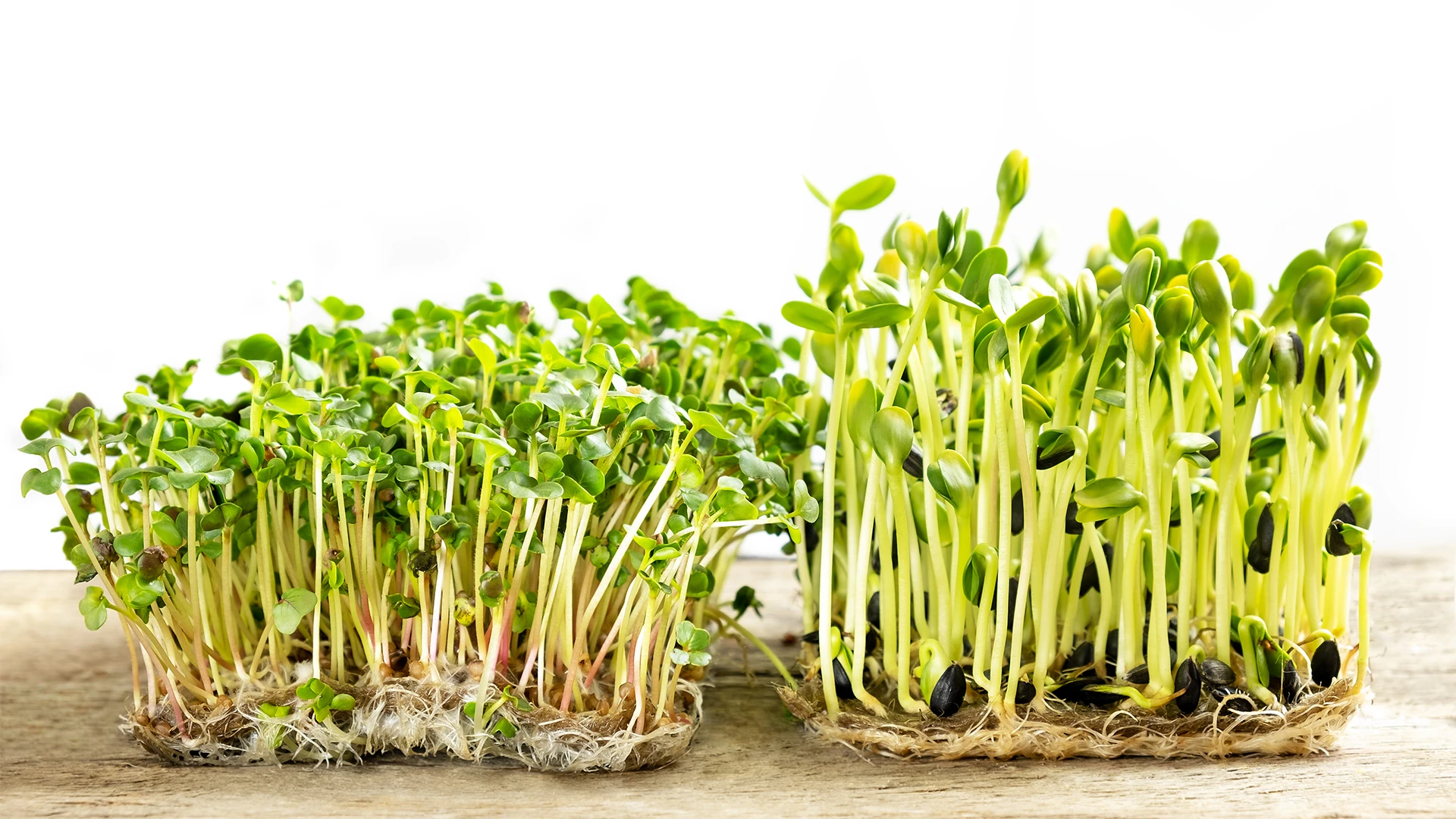
Moong sprouts pack serious nutritional punch while keeping calories refreshingly low. At just 30 calories per 100g, these tiny powerhouses deliver complete protein, gut-friendly fiber, and metabolism-boosting nutrients that most people overlook. Yet here's what's wild: despite being one of the most accessible superfoods on the planet, most folks have no clue about their true nutritional value or how to maximize their benefits. Whether you're chasing weight loss goals, optimizing gut health, or simply want clean nutrition that doesn't break your calorie budget, understanding moong sprouts nutrition is your gateway to smarter eating. Let's break down exactly what makes these sprouted gems so special and why they deserve a permanent spot in your nutrition arsenal.
Let's get straight to the numbers that matter. One hundred grams of fresh moong sprouts calories clock in at exactly 30 calories—making them one of the most calorie-efficient foods you can eat. But here's where it gets interesting: those 30 calories pack way more nutritional density than most foods triple their caloric value. The macronutrient breakdown reveals why nutrition experts are obsessed with sprouts. You're looking at 3 grams of quality protein, 6.2 grams of carbohydrates (with 1.8 grams being pure fiber), and less than 0.5 grams of fat per 100g serving. This translates to roughly 12 calories from protein, 17 from carbs, and barely 1 from fat.
The micronutrient game is where moong sprouts truly shine. A 100g serving delivers 13.2mg of vitamin C (that's 22% of your daily needs), substantial amounts of vitamin A for eye health, and a complete spectrum of B-complex vitamins including folate, thiamine, and riboflavin. The mineral profile includes iron for oxygen transport, potassium for heart health, and magnesium for muscle function.
One bowl (approximately 150g) of moong sprouts contains about 45 calories, 4.5g protein, and nearly 3g of fiber. This serving size hits the sweet spot for most people—enough to feel satisfied without overwhelming your digestive system. For weight management, this portion provides excellent satiety per calorie invested.
The sprouting process transforms ordinary moong beans into nutritional superstars through fascinating biochemical changes. During the 48-72 hour sprouting window, enzymes activate and break down complex compounds, making nutrients more bioavailable while creating new beneficial compounds your body craves. Research shows that sprouting increases vitamin C content by up to 600% compared to the original bean. The process also generates powerful antioxidants like phenolic compounds and flavonoids that combat inflammation and support cellular health. These aren't just theoretical benefits—clinical studies demonstrate measurable improvements in digestive function and metabolic markers.
The prebiotic fiber in moong sprouts feeds beneficial gut bacteria, particularly Bifidobacterium and Lactobacillus strains. This fiber fermentation produces short-chain fatty acids that strengthen intestinal barrier function and reduce inflammatory markers. Eating moong sprouts daily can significantly improve gut diversity within just two weeks.
The combination of protein, fiber, and complex carbohydrates creates a steady glucose release pattern. Studies show that including sprouts in meals can reduce post-meal blood sugar spikes by up to 20% compared to meals without sprouted legumes. This makes them particularly valuable for metabolic health optimization.
Here's where moong sprouts become your secret weapon for sustainable weight management. The magic lies in their exceptional satiety-to-calorie ratio—you feel genuinely full on minimal calories, naturally reducing overall food intake without feeling deprived. The protein content, while modest at 3g per 100g, provides all essential amino acids in ratios that support muscle preservation during weight loss. This is crucial because maintaining lean muscle mass keeps your metabolism firing efficiently. The fiber content slows gastric emptying, extending feelings of fullness for hours after eating.
Digesting protein requires more energy than processing carbs or fats—this is called the thermic effect of food. While 3g might seem small, the high-quality protein in sprouts contributes to this metabolic boost. Combined with their low caloric density, you're essentially eating negative-calorie food when you factor in digestion energy costs.
The fiber in moong sprouts triggers release of satiety hormones like GLP-1 and PYY, which signal fullness to your brain. This isn't just temporary satisfaction—these hormones continue working for hours, naturally reducing cravings and preventing overeating at subsequent meals.
Sprouting moong beans at home ensures maximum freshness, nutritional value, and cost savings. The process is surprisingly simple once you understand the basic principles. You'll need whole green moong beans (not split), clean water, a sprouting jar or bowl, and a breathable cloth. Start by rinsing one cup of moong beans thoroughly, removing any damaged or discolored beans. Soak them in clean water for 8-12 hours—overnight works perfectly. The beans will double in size as they absorb water and begin the sprouting process.
After soaking, drain and rinse the beans thoroughly. Place them in your sprouting container, cover with a damp cloth, and store in a dark, warm place. Rinse and drain every 8-12 hours to prevent bacterial growth and maintain optimal moisture levels.
Fresh sprouts should have a clean, slightly sweet smell. Any sour or musty odors indicate bacterial contamination—discard immediately. Store finished sprouts in the refrigerator for up to 5 days in a breathable container. Always rinse before eating to remove any residual bacteria.
Transforming raw sprouts into delicious, satisfying meals doesn't require culinary expertise. These recipes maximize nutritional benefits while keeping preparation simple and flavors bold. Each recipe includes calorie counts to help with meal planning and portion control. Breakfast options center around combining sprouts with protein-rich ingredients like Greek yogurt or eggs. A sprouted moong salad with cucumber, tomatoes, and mint in yogurt provides approximately 120 calories with 8g protein—perfect for sustained morning energy without the crash.
Moong sprouts curry with minimal oil and maximum spices delivers comfort food satisfaction at just 150 calories per serving. Stir-fried sprouts with vegetables and a touch of sesame oil creates a filling lunch under 200 calories while providing complete nutrition.
Roasted sprouts chaat combines the crunch factor with tangy flavors that satisfy snack cravings. Season with chaat masala, lemon juice, and fresh herbs for a 80-calorie snack that actually contributes to your nutritional goals rather than derailing them.
Answer: One standard bowl (150g) of fresh moong sprouts contains approximately 45 calories. This serving also provides 4.5g protein, 9.3g carbohydrates, and 2.7g fiber, making it an excellent low-calorie, nutrient-dense food choice.
Answer: Yes, eating 100g of moong sprouts daily is generally safe and beneficial for most people. This amount provides excellent nutrition while supporting digestive health. However, start with smaller portions if you're new to eating sprouts to allow your digestive system to adjust.
Answer: Absolutely. Moong sprouts are exceptional for weight loss due to their low calorie density (30 calories per 100g), high fiber content that promotes satiety, and quality protein that helps preserve muscle mass during weight loss.
Answer: Moong sprouts contain 3g of protein per 100g serving. While this might seem modest, the protein is complete with all essential amino acids and highly bioavailable due to the sprouting process breaking down complex proteins.
Answer: Fresh homemade moong sprouts stay good for 4-5 days when stored properly in the refrigerator. Keep them in a breathable container and rinse before eating. Discard if they develop any off-odors or slimy texture.
Answer: Yes, moong sprouts support gut health through their prebiotic fiber content that feeds beneficial bacteria, digestive enzymes that aid nutrient absorption, and anti-inflammatory compounds that support intestinal barrier function.
Moong sprouts deliver exceptional nutritional value at just 30 calories per 100g, making them one of nature's most efficient foods for health optimization. Their unique combination of complete protein, prebiotic fiber, and bioactive compounds supports everything from weight management to gut health enhancement. The sprouting process itself creates a nutritional transformation that makes these tiny powerhouses more digestible and nutrient-dense than their original bean form. Whether you're tracking calories for weight loss, optimizing gut health, or simply seeking clean nutrition that doesn't compromise on taste, moong sprouts deserve serious consideration in your daily nutrition strategy. Sprouting at home ensures maximum freshness and nutritional potency while keeping costs minimal. With proper technique and food safety practices, you can maintain a steady supply of these nutritional gems year-round. Remember, consistency trumps perfection—even small daily portions of moong sprouts can create meaningful improvements in your overall health trajectory.


Someone sent you
Powered by ReferRush