


Moong Dal Protein: Your Complete Nutrition Guide

Get personalised recommendations with our assessment.
Personalised Health Diagnosis (PHD)
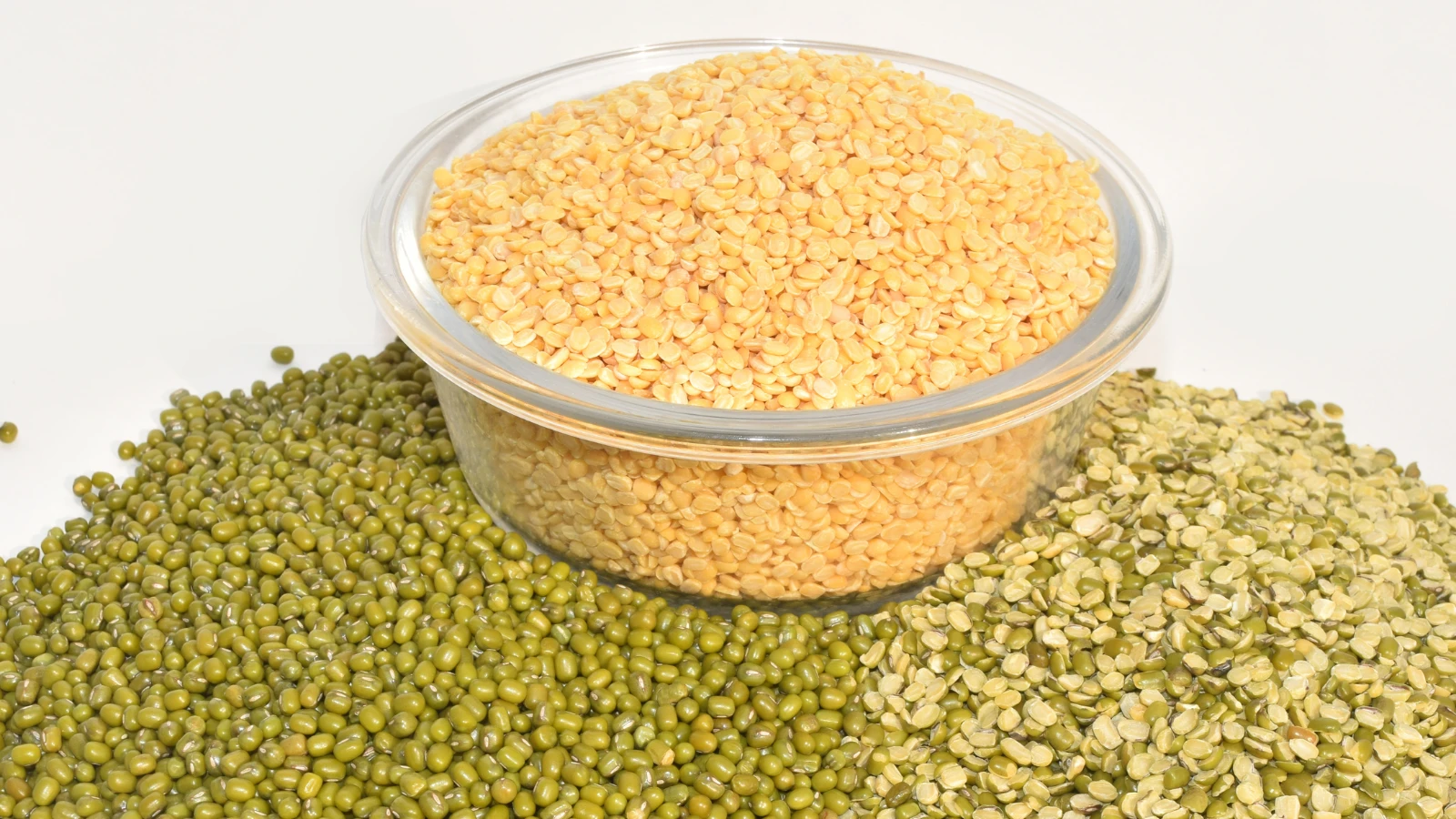
Plant-based proteins are having their moment, and for good reason. While everyone's chasing the latest superfood trends, there's one humble legume that's been quietly delivering exceptional nutrition for centuries. Moong dal isn't just another pulse in your pantry—it's a protein powerhouse that deserves serious attention. Whether you're building muscle, managing weight, or simply trying to hit your daily protein goals without relying on animal products, understanding how much protein in moong dal can transform your approach to nutrition. Let's break down the science behind this yellow wonder and why it might just be the missing piece in your wellness puzzle.
The protein content in moong dal varies dramatically depending on how you prepare it, and this difference matters more than most people realize. Raw moong dal packs an impressive 24-24.5 grams of protein per 100 grams, placing it among the top plant-based protein sources available. However, once you cook it, the numbers shift significantly. Cooked moong dal contains approximately 6-9 grams of protein per 100 grams. This isn't because cooking destroys protein—it's simply due to water absorption during the cooking process, which dilutes the overall protein density.
A typical serving of cooked moong dal (about 1 cup or 200 grams) provides roughly 12-18 grams of protein. This makes it an excellent choice for meeting daily protein requirements, especially when combined with other complementary foods.
When moong dal absorbs water during cooking, it can triple in volume. This expansion explains why the protein concentration appears lower in cooked dal. The actual protein molecules remain intact and bioavailable—they're just distributed across a larger volume of food.
Beyond its impressive protein content, moong dal delivers a comprehensive nutritional package that supports overall health. The moong dal nutritional value extends far beyond just protein, making it a true superfood in the legume family. Per 100 grams of raw moong dal, you'll get approximately 347 calories, 63 grams of carbohydrates, 16 grams of dietary fibre, and just 1.2 grams of fat. This macronutrient profile makes it ideal for sustained energy without the blood sugar spikes associated with refined carbohydrates.
Moong dal shines in the micronutrient department. It's rich in folate, providing about 625 micrograms per 100 grams—that's over 150% of the daily recommended intake. It also delivers significant amounts of magnesium, potassium, iron, and zinc.
What sets moong dal apart from many plant proteins is its well-balanced amino acid profile. While it's not technically a complete protein on its own, it contains substantial amounts of all essential amino acids, particularly lysine, which is often limiting in plant-based diets.
When comparing protein in yellow lentils to other vegetarian protein sources, moong dal holds its own remarkably well. Among the dal family, it ranks consistently high, though each variety brings unique benefits to the table. Toor dal (pigeon peas) contains about 22 grams of protein per 100 grams raw, while masoor dal (red lentils) provides around 25 grams. Chana dal leads the pack with approximately 25-26 grams per 100 grams. However, moong dal's advantage lies in its superior digestibility and lower tendency to cause bloating or gas.
Among all high protein vegetarian sources, moong dal ranks favorably when considering both protein content and bioavailability. While hemp seeds and spirulina may have higher protein percentages, moong dal offers better affordability and versatility in everyday cooking.
When evaluating protein per rupee, moong dal emerges as one of the most economical choices. Its widespread availability and reasonable pricing make high-quality protein accessible to a broader population, unlike some trendy superfoods that come with premium price tags.
The benefits of moong dal extend well beyond its impressive protein content, making it a cornerstone food for optimal health. Its unique combination of nutrients works synergistically to support multiple body systems simultaneously. For muscle building and recovery, moong dal provides high-quality protein that's easily absorbed by the body. The dal protein per serving is sufficient to support muscle protein synthesis when consumed as part of a balanced diet, making it particularly valuable for vegetarians and vegans.
Unlike many other legumes, moong dal is exceptionally easy to digest. Its fibre content supports healthy gut bacteria while its gentle nature makes it suitable for people with sensitive digestive systems. This digestibility factor is crucial for protein absorption—what good is protein if your body can't process it efficiently?
The low glycemic index of moong dal helps maintain stable blood sugar levels. Its combination of protein, fibre, and complex carbohydrates provides sustained energy without the crashes associated with simple carbohydrates.
Smart preparation can significantly enhance the protein value you get from moong dal. Traditional moong dal recipes have evolved over centuries to maximize both nutrition and digestibility, and modern science validates many of these time-tested approaches. Sprouting moong dal increases its protein bioavailability while adding vitamin C and reducing antinutrients. Simple dal curry paired with rice creates a complete amino acid profile, while khichdi offers comfort food that's nutritionally complete.
Combining moong dal with rice in a 1:3 ratio creates a complete protein comparable to animal proteins. Adding a small amount of ghee or healthy fats can improve the absorption of fat-soluble vitamins present in the dal.
Pressure cooking retains most nutrients while making the protein more digestible. Soaking dal for 4-6 hours before cooking can reduce cooking time and improve nutrient availability. Avoid overcooking, which can denature some proteins and reduce their biological value.
Answer: While 100 grams of raw moong dal provides excellent protein (24 grams), it's better to vary your protein sources for optimal nutrition. Most adults do well with 50-75 grams of raw dal daily, which provides 12-18 grams of protein when cooked, along with other essential nutrients.
Answer: Yes, with 24 grams of protein per 100 grams of raw dal, moong dal ranks among the highest protein legumes available. Its protein quality is also superior due to its balanced amino acid profile and excellent digestibility.
Answer: Cooked moong dal contains 6-9 grams of protein per 100 grams. The lower concentration compared to raw dal is due to water absorption during cooking, which increases volume while maintaining the same amount of actual protein.
Answer: While moong dal has slightly lower levels of some amino acids compared to animal proteins, it provides excellent plant-based protein with additional benefits like fibre, antioxidants, and minerals. When combined with grains, it creates a complete protein profile.
Answer: Sprouted moong contains about 3-4 grams of protein per 100 grams, which is lower than cooked dal. However, sprouting enhances protein bioavailability, increases vitamin C content, and reduces antinutrients, making the protein more easily absorbed.
Answer: Among common lentils, chana dal leads with 25-26 grams per 100 grams raw, followed closely by masoor dal at 25 grams, and moong dal at 24-24.5 grams. However, moong dal offers superior digestibility, making it more suitable for regular consumption.
Moong dal stands out as an exceptional source of plant-based protein that delivers far more than just amino acids. With 24 grams of protein per 100 grams raw, it provides substantial nutrition while remaining gentle on the digestive system. The key is understanding how preparation affects protein concentration and planning your portions accordingly. Whether you're looking to build muscle, manage weight, or simply maintain optimal health, incorporating moong dal into your regular meal rotation offers a cost-effective, sustainable way to meet your protein needs. Remember that the best nutrition plan is one you can stick to long-term, and moong dal's versatility and affordability make it an ideal foundation for lasting dietary success.


Someone sent you
Powered by ReferRush