


Moong Dal vs. Other Legumes: A Comprehensive Comparison

Get personalised recommendations with our assessment.
Personalised Health Diagnosis (PHD)
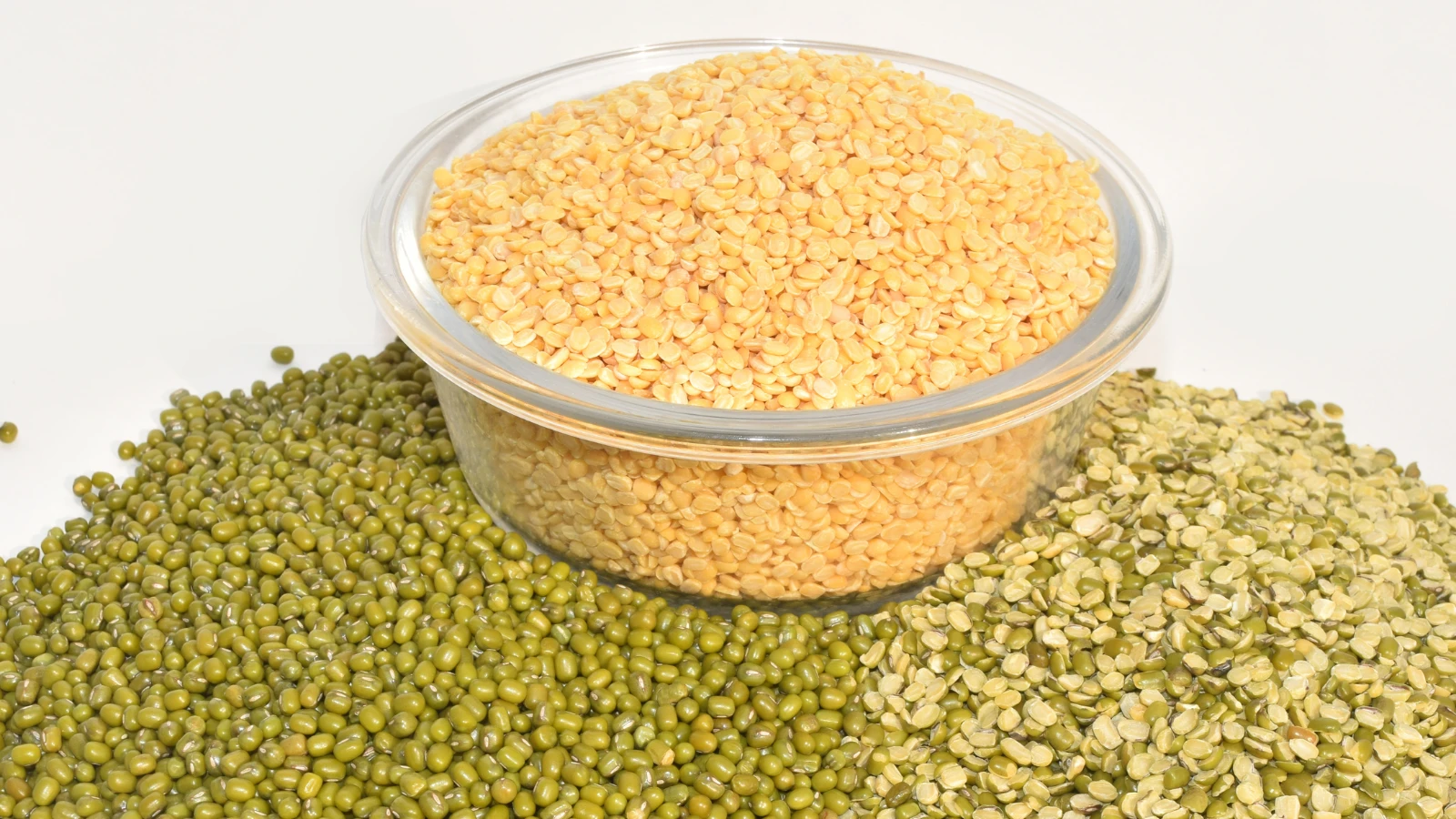
The humble moong dal sits quietly on kitchen shelves across India, yet few realize they're storing a nutritional powerhouse that puts many trendy superfoods to shame. While the wellness world obsesses over exotic ingredients with hard-to-pronounce names, this golden-green legume delivers exceptional moong dal nutrition that supports everything from gut health to muscle recovery. Unlike flashy supplements that promise the world, moong dal has been quietly fuelling generations with complete nutrition that's both affordable and accessible. Let's dive into what makes this unassuming legume a true champion of clean, plant-powered nutrition.
When it comes to moong dal nutritional profile, the numbers tell a compelling story. Per 100 grams of raw moong dal, you're looking at approximately 347 calories packed with 24 grams of high-quality protein, 59 grams of complex carbohydrates, and 16 grams of dietary fibre. But here's where it gets interesting – the fat content stays remarkably low at just 1.2 grams, making it an ideal choice for those managing their macronutrient ratios. Compared to other legumes, moong dal stands out for its exceptional digestibility. While chickpeas contain about 19 grams of protein per 100 grams and black lentils offer around 25 grams, moong dal protein comes with significantly lower levels of anti-nutritional factors. This means your body can actually access and utilize more of what you're consuming – a crucial factor often overlooked in nutritional comparisons.
The calorie breakdown reveals why moong dal works so well for sustained energy. About 68% of calories come from complex carbohydrates, 28% from protein, and just 3% from fats. This distribution creates a steady release of energy without the blood sugar spikes associated with simple carbohydrates.
When stacked against kidney beans (333 calories), black gram (341 calories), and green peas (325 calories), moong dal's calorie density sits in the sweet spot. It provides substantial nutrition without being calorically dense, making it perfect for those focused on nutrient density over empty calories.
Let's get real about protein quality. The fitness industry loves to push whey and casein, but moong dal protein delivers something they can't – a complete amino acid profile wrapped in fibre and phytonutrients. With 24 grams of protein per 100 grams of raw dal, it's not just about quantity; it's about bioavailability and digestive ease. The amino acid composition of moong dal includes all nine essential amino acids, though lysine levels are particularly impressive compared to other plant proteins. This makes it an excellent choice for vegetarians and vegans who need to ensure complete protein intake without relying solely on supplements.
Here's where moong dal truly shines – its moong dal digestibility rating is among the highest in the legume family. The protein digestibility-corrected amino acid score (PDCAAS) for moong dal approaches that of animal proteins, yet without the inflammatory potential or environmental impact.
The leucine content in moong dal, while not as high as whey protein, still provides adequate levels for muscle protein synthesis. Combined with its anti-inflammatory compounds, it supports recovery without the digestive stress that some people experience with dairy-based proteins.
The carbohydrate story of moong dal is where nutrition science gets exciting. We're talking about 59 grams of predominantly complex carbohydrates that fuel your body without sending your blood sugar on a roller coaster ride. The moong dal carbohydrates are primarily starch and fibre – the kind your metabolism actually appreciates. With 16 grams of dietary fibre per 100 grams, moong dal fibre content surpasses many vegetables that get all the credit for being "high fibre." This isn't just about keeping things moving in your digestive tract; it's about feeding your beneficial gut bacteria and supporting metabolic health at the cellular level.
Moong dal has a glycemic index of around 38-45, placing it firmly in the low-glycemic category. This means steady energy release and stable blood sugar levels – crucial for anyone managing diabetes, pre-diabetes, or simply wanting to avoid energy crashes.
The combination of protein, fibre, and complex carbohydrates creates what nutritionists call the "second meal effect." Consuming moong dal can actually improve your blood sugar response to the next meal you eat, making it a strategic choice for moong dal metabolism optimization.
While macronutrients get most of the attention, the moong dal vitamins and mineral profile is where this legume truly justifies its superfood status. We're looking at significant amounts of folate (625 mcg per 100g), which is crucial for DNA synthesis and cellular repair – particularly important for anyone in their reproductive years. The moong dal minerals read like a who's who of essential nutrients: potassium (1246 mg), magnesium (189 mg), iron (6.7 mg), and zinc (2.7 mg) per 100 grams. These aren't trace amounts; they're substantial contributions to your daily requirements.
Moong dal provides an impressive array of B-vitamins, including thiamine, riboflavin, niacin, and vitamin B6. These work synergistically to support energy metabolism, nervous system function, and cellular health.
Unlike synthetic supplements, the nutrients in moong dal come with natural cofactors that enhance absorption. The vitamin C content, while modest, helps with iron absorption, while the magnesium supports calcium utilization.
This is where moong dal moves beyond basic nutrition into therapeutic territory. The moong dal gut health benefits stem from its unique combination of soluble and insoluble fibre, prebiotic compounds, and anti-inflammatory properties that create an optimal environment for beneficial bacteria. The prebiotic oligosaccharides in moong dal feed specific strains of beneficial bacteria, particularly Bifidobacterium and Lactobacillus species. This isn't just about digestive comfort; it's about systemic health, immune function, and even mood regulation through the gut-brain axis.
Moong dal contains phenolic compounds and flavonoids that actively reduce inflammatory markers. This makes it particularly valuable for anyone dealing with chronic inflammation or autoimmune conditions.
Regular consumption of moong dal has been shown to increase bacterial diversity in the gut microbiome – a key marker of digestive and overall health. The resistant starch formed when moong dal is cooked and cooled provides additional prebiotic benefits.
Let's talk strategy. With its high protein and fibre content, moong dal delivers exceptional satiety per calorie consumed. The combination of protein and fiber triggers hormonal responses that signal fullness, making it easier to maintain a caloric deficit without feeling deprived. The thermogenic effect of protein in moong dal means your body burns calories just digesting it. While not as high as some animal proteins, the energy cost of digestion still contributes to overall metabolic rate.
For most adults, 50-100 grams of dry moong dal per day provides substantial nutritional benefits without overwhelming the digestive system. This translates to about 1-2 cups of cooked dal, easily incorporated into meals throughout the day.
Consuming moong dal earlier in the day maximizes its metabolic benefits, allowing the complex carbohydrates to fuel activity while the protein supports muscle maintenance and growth.
Answer: Yes, moong dal contains approximately 24 grams of high-quality protein per 100 grams of raw dal. This protein includes all essential amino acids and has excellent digestibility compared to other plant proteins, making it an excellent choice for meeting daily protein requirements.
Answer: Absolutely. Consuming 100 grams of dry moong dal daily is not only safe but beneficial for most people. This provides about 24 grams of protein, 16 grams of fibre, and substantial vitamins and minerals while remaining within healthy caloric limits.
Answer: Boiled moong dal contains approximately 8-10 grams of protein per 100 grams, as cooking adds water weight. The protein quality remains excellent, and the cooking process actually improves digestibility while maintaining nutritional value.
Answer: Yes, moong dal is excellent for weight management due to its high protein and fibre content, low glycemic index, and ability to promote satiety. The combination helps control hunger, stabilize blood sugar, and support lean muscle mass during weight loss.
Moong dal isn't just another legume – it's a nutritional powerhouse that delivers complete nutrition in a digestible, affordable package. From its impressive protein content to its gut-supporting fibre and essential micronutrients, it stands as proof that the best nutrition often comes from the simplest sources. In a world obsessed with complicated supplements and exotic superfoods, moong dal quietly delivers everything your body needs to thrive. The science is clear: this humble legume deserves a place in any serious approach to optimal nutrition and metabolic health.


Someone sent you
Powered by ReferRush