


Karela: Everything You Need to Know

Get personalised recommendations with our assessment.
Personalised Health Diagnosis (PHD)
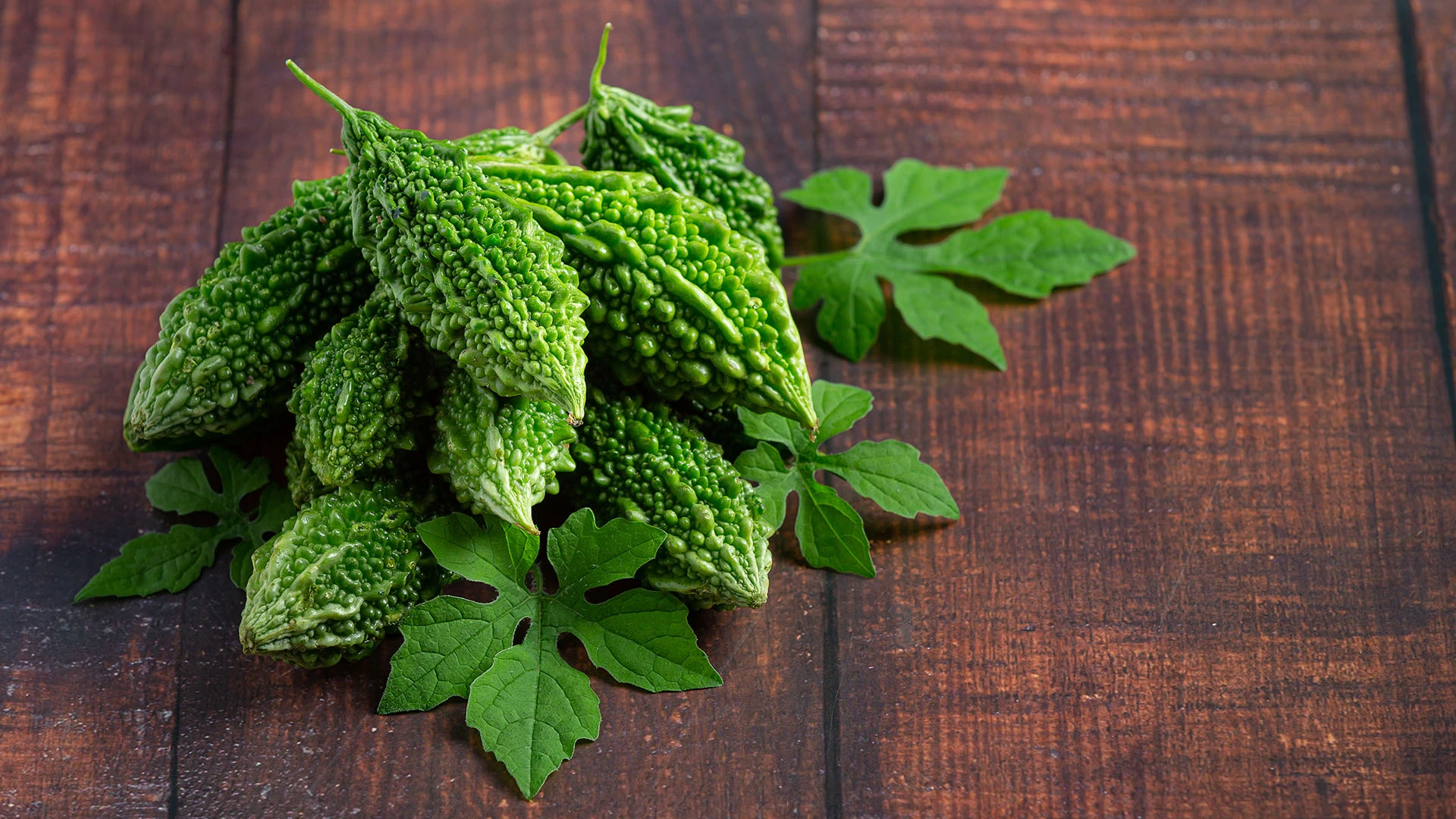
Karela, also known as bitter gourd or bitter melon, has earned its reputation as a powerful plant in traditional wellness practices. While this distinctively bitter vegetable offers numerous health benefits, understanding its potential side effects is crucial for safe consumption. Like any potent natural ingredient, karela can cause adverse reactions, especially when consumed in large quantities or by certain individuals. Being informed about these risks helps you make smarter choices about incorporating this plant into your routine. Let's dive deep into what you need to know about karela's safety profile.
When consumed regularly or in large amounts, karela can trigger several noticeable side effects. Most people experience mild reactions, but understanding these common issues helps you recognize when your body might be telling you to slow down.
The most frequent karela side effects target your digestive system. Many people report stomach pain, cramping, and general gastrointestinal distress after consuming bitter gourd. These symptoms occur because karela contains natural compounds called cucurbitacins, which give it that characteristic bitter taste and can irritate your stomach lining.
Excessive karela consumption often leads to loose stools or diarrhea. Your digestive system may struggle to process large amounts of this bitter vegetable, especially if you're not accustomed to it. Starting with small portions allows your gut to adapt gradually.
Some individuals experience nausea or vomiting after consuming karela, particularly on an empty stomach. The intense bitterness can trigger your body's natural rejection response, leading to these uncomfortable symptoms.
While karela is often praised for its blood sugar management properties, this same mechanism can create serious risks for certain individuals. Understanding these metabolic side effects is essential for safe consumption.
Karela's ability to lower blood sugar can become dangerous when it drops glucose levels too dramatically. Signs of hypoglycemia include dizziness, sweating, confusion, rapid heartbeat, and weakness. This risk increases significantly if you're already taking diabetes medications or have irregular eating patterns.
If you're taking diabetes medications like metformin, insulin, or other glucose-lowering drugs, karela can amplify their effects. This combination might cause your blood sugar to plummet to dangerous levels, requiring immediate medical attention.
Beyond common digestive issues, karela can cause more severe adverse effects, particularly with long-term use or high doses. These serious reactions require immediate attention and medical consultation.
Karela consumption has been linked to blood pressure fluctuations in some individuals. People with existing cardiovascular conditions may experience hypotension (low blood pressure), which can cause dizziness, fainting, or rapid heartbeat. These symptoms indicate your body's struggle to maintain proper circulation.
Some people report persistent headaches after consuming karela regularly. These headaches may result from blood sugar fluctuations or blood pressure changes. If you experience severe or recurring headaches after eating bitter gourd, discontinue use immediately.
Prolonged consumption of large amounts of karela may stress your liver and kidneys. Your liver works overtime to process the potent compounds in bitter gourd, while your kidneys filter out excess substances. Signs of organ stress include fatigue, dark urine, abdominal pain, or yellowing of skin and eyes.
Certain individuals face elevated risks when consuming karela and should exercise extreme caution or avoid it entirely. Understanding these contraindications prevents serious health complications.
Pregnant women should avoid karela consumption due to its potential to trigger uterine contractions and increase miscarriage risk. The compounds in bitter gourd can affect hormone levels and fetal development. Breastfeeding mothers should also exercise caution, as these compounds may pass through breast milk.
Stop consuming karela at least two weeks before any scheduled surgery. Its blood sugar-lowering effects can interfere with glucose control during and after surgical procedures, potentially causing dangerous complications during anesthesia.
Individuals with liver disease, kidney problems, or glucose-6-phosphate dehydrogenase (G6PD) deficiency should avoid karela. These conditions make it harder for your body to process and eliminate karela's active compounds safely.
Understanding proper dosage and preparation methods helps minimize karela side effects while maximizing its potential benefits. Following these guidelines creates a safer experience with this powerful plant.
Limit karela consumption to small portions - typically no more than 50-100 grams of fresh bitter gourd per day. If using karela juice, restrict intake to 30-50ml daily. These moderate amounts allow you to experience benefits while reducing side effect risks.
Proper preparation significantly reduces karela's side effect potential. Remove seeds completely, as they contain higher concentrations of potentially harmful compounds. Soaking sliced karela in salt water for 30 minutes before cooking helps reduce bitterness and may minimize digestive irritation.
Stop consuming karela immediately if you experience severe stomach pain, persistent vomiting, extreme dizziness, irregular heartbeat, or signs of allergic reactions like skin rashes or difficulty breathing. These symptoms require immediate medical attention.
Answer: The most common karela side effects include stomach pain, diarrhea, nausea, and hypoglycemia (low blood sugar). These digestive and metabolic reactions typically occur with excessive consumption or when starting karela without gradual introduction.
Answer: Daily karela consumption can be safe for most healthy adults when limited to small portions (50-100g fresh or 30-50ml juice). However, long-term use requires medical supervision, especially if you have diabetes, take medications, or have chronic health conditions.
Answer: Consuming more than 100g of fresh karela or 50ml of karela juice daily increases your risk of adverse effects. Signs of overconsumption include severe stomach pain, persistent diarrhea, extreme fatigue, or dangerously low blood sugar levels.
Answer: Yes, karela can interact with diabetes medications, blood pressure drugs, and blood thinners. It may amplify their effects, causing dangerous drops in blood sugar or blood pressure. Always consult your healthcare provider before adding karela to your routine if you take any medications.
Answer: Pregnant and breastfeeding women, people with G6PD deficiency, those with severe liver or kidney disease, and individuals scheduled for surgery should avoid karela completely. Children under 12 should also avoid regular karela consumption due to their developing systems.
Karela offers impressive health benefits, but respecting its potency is crucial for safe consumption. Common side effects like digestive upset and blood sugar fluctuations can escalate into serious health risks without proper precautions. High-risk individuals, including pregnant women and those with chronic conditions, should avoid karela entirely. For others, moderation and medical consultation create the foundation for safe use. Understanding these karela side effects empowers you to make informed decisions about incorporating this powerful plant into your wellness routine. Remember, natural doesn't always mean harmless - even beneficial plants like karela require careful, informed consumption.


Someone sent you
Powered by ReferRush