


Jaggery vs Sugar: Which Is Better?

Get personalised recommendations with our assessment.
Personalised Health Diagnosis (PHD)
The sweetener wars have been raging for decades, and now jaggery is stepping into the ring as the supposed healthier alternative to refined sugar. But here's the reality check most wellness influencers won't give you: when it comes to jaggery vs sugar calories, the difference is practically negligible. Both pack nearly identical caloric punches, yet the narrative around jaggery being a "superfood sweetener" persists. Let's cut through the noise and examine what science actually tells us about these two sweeteners, their impact on your metabolism, and whether switching from sugar to jaggery is worth the hype.
Let's start with the elephant in the room: jaggery vs sugar calories. Per 100 grams, jaggery contains approximately 383 calories while refined sugar clocks in at 387 calories. That's a mere 4-calorie difference that won't make or break your weight management goals. Per teaspoon, both deliver roughly 15-20 calories, making them virtually identical from a caloric standpoint. This caloric similarity exists because both sweeteners are primarily composed of sucrose, glucose, and fructose. The processing methods differ, but the fundamental sugar molecules remain the same. Whether you're spooning jaggery into your chai or adding white sugar to your coffee, your body processes these calories similarly.
While calories tell one story, the nutritional profiles reveal where these sweeteners actually diverge. Jaggery benefits include mineral retention from the sugarcane processing, containing iron (11mg per 100g), magnesium (70-90mg), and potassium (1050mg). Refined sugar, stripped through extensive processing, offers virtually zero minerals or vitamins. However, let's put this in perspective. To get meaningful amounts of these minerals from jaggery, you'd need to consume quantities that would send your blood sugar through the roof. The iron content, while present, isn't substantial enough to address deficiency issues without overconsumption of sugar.
The question "is jaggery healthier than sugar" requires nuanced thinking beyond simple good-versus-bad narratives. Jaggery does retain some minerals due to minimal processing, but calling it "healthy" is misleading when both sweeteners impact blood glucose similarly. The jaggery glycemic index sits around 84.4 compared to refined sugar's 100. This lower glycemic index means jaggery causes a slightly slower blood sugar spike, but the difference isn't dramatic enough to make it diabetes-friendly. Both sweeteners require insulin response and can contribute to metabolic dysfunction when consumed excessively.
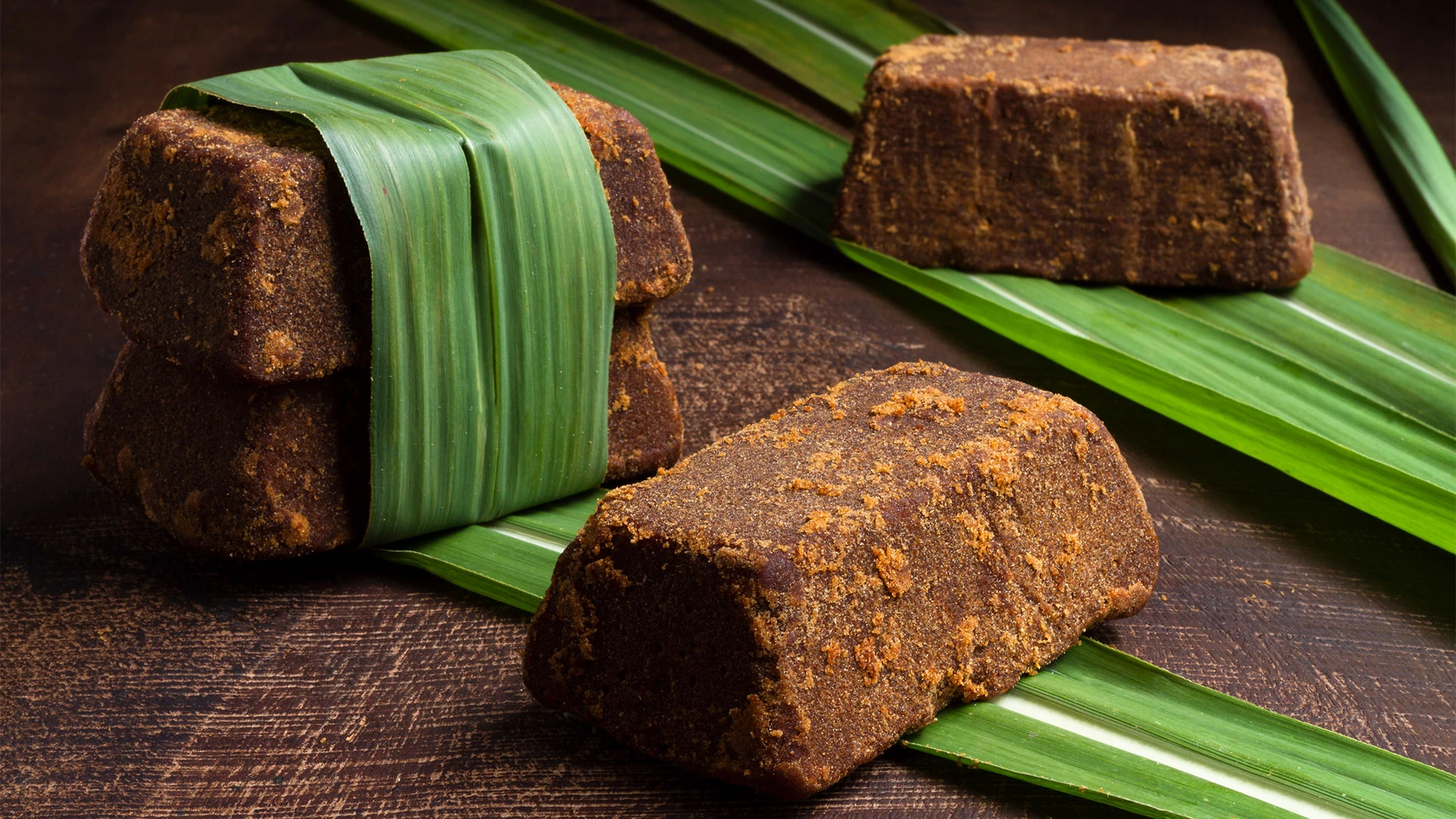
The key distinction lies in processing methods. Unrefined sugar alternatives like jaggery undergo minimal processing, retaining trace amounts of molasses and minerals. Refined sugar goes through extensive purification, removing everything except pure sucrose. This processing difference explains why jaggery retains its brown color and mineral content, while white sugar becomes a pure crystalline sweetener. However, both still function as concentrated sources of simple carbohydrates in your body.
Understanding the spectrum of sugar alternatives helps make informed choices. Types of sugar range from highly processed white sugar to minimally processed options like jaggery, each with distinct characteristics. Refined sugar varieties include white sugar (maximum processing), brown sugar (white sugar with molasses added back), and raw sugar (less processed but still refined). These options offer minimal nutritional value beyond calories.
Healthy sweeteners and natural sweeteners extend beyond just jaggery versus sugar. Coconut sugar offers a lower glycemic index around 54, while date sugar provides fiber and potassium from whole dates. Stevia delivers sweetness without calories, though some find its taste profile challenging. Each alternative comes with trade-offs. Coconut sugar costs more and still contains significant calories. Date sugar doesn't dissolve well in liquids. Stevia can have a bitter aftertaste. The "perfect" sweetener doesn't exist—only options that align better with specific health goals.
The impact of sugar on gut health extends beyond calories and blood glucose. Excessive refined sugar consumption disrupts gut microbiome balance, promoting harmful bacteria growth while suppressing beneficial microbes. This imbalance can trigger inflammation, compromise intestinal barrier function, and affect nutrient absorption. Refined sugar feeds pathogenic bacteria and yeast, potentially leading to digestive issues, mood fluctuations, and compromised immune function. The gut-brain axis means that sugar's impact on gut health can influence mental clarity, energy levels, and overall wellbeing.
Jaggery's minimal processing means it retains trace amounts of fiber and compounds that may support digestive health slightly better than refined sugar. However, the difference isn't substantial enough to consider jaggery gut-friendly. Both sweeteners can disrupt gut-metabolic balance when consumed regularly in significant quantities. The minerals in jaggery—particularly magnesium—do support digestive enzyme function, but you'd get more meaningful amounts from whole foods like leafy greens, nuts, and seeds without the sugar load.
The truth about jaggery versus sugar isn't about finding the "perfect" sweetener—it's about understanding that both should be consumed mindfully. If you're choosing between them, jaggery offers marginal nutritional advantages due to mineral retention, but neither supports optimal metabolic health when used liberally. For gut-metabolic balance, focus on reducing overall sweetener intake rather than switching from one concentrated sugar source to another. When you do sweeten foods, consider the context: are you adding it to nutrient-dense foods or empty-calorie treats?
Start by gradually reducing sweetener quantities in beverages and recipes. Your taste buds adapt to less sweetness over time. Experiment with spices like cinnamon, vanilla, or cardamom to enhance flavor without adding sugar. Choose whole fruits when craving sweetness—they provide fiber, vitamins, and minerals alongside natural sugars. For those committed to using added sweeteners, rotate between options rather than relying on one exclusively. This approach prevents overconsumption of any single sweetener while allowing flexibility in cooking and baking.
Answer: Both jaggery and sugar contain nearly identical calories (383 vs 387 per 100g), so neither offers a weight loss advantage. While jaggery provides trace minerals, calorie control remains the primary factor for weight management. Focus on reducing overall sweetener intake rather than switching between high-calorie options.
Answer: Jaggery has a slightly lower glycemic index (84.4) compared to sugar (100), but both significantly impact blood glucose levels. Diabetics should treat jaggery similarly to sugar and consume either in very limited quantities under medical supervision. The mineral content doesn't offset the blood sugar impact.
Answer: Jaggery contains approximately 383 calories per 100g while refined sugar contains 387 calories per 100g—only a 4-calorie difference. Per teaspoon, both provide 15-20 calories, making them virtually identical from an energy standpoint.
Answer: Jaggery may be marginally better due to minimal processing and trace minerals that support digestive enzymes, but neither significantly benefits gut health. Both can disrupt gut microbiome balance when consumed regularly. For optimal gut health, focus on reducing overall sweetener intake.
Answer: Yes, jaggery can substitute sugar in most recipes using similar quantities, though it may alter flavor and color. The calorie content remains nearly identical, so don't expect health benefits from the switch alone. Consider reducing the total amount of sweetener used regardless of type.
The jaggery versus sugar debate reveals more about marketing narratives than nutritional reality. While jaggery retains minerals through minimal processing, both sweeteners deliver similar calories and blood sugar impacts. The 4-calorie difference per 100g won't influence weight management, and the mineral content isn't substantial enough to consider jaggery a health food. For optimal metabolic and gut health, focus on reducing overall sweetener consumption rather than switching between concentrated sugar sources. When you do use sweeteners, jaggery offers marginal advantages due to mineral retention, but moderation remains key regardless of your choice. Your gut-metabolic balance benefits more from whole foods, adequate fiber, and mindful eating patterns than from finding the "perfect" sweetener.


Someone sent you
Powered by ReferRush