


Jaggery: Complete Nutrition Guide

Get personalised recommendations with our assessment.
Personalised Health Diagnosis (PHD)
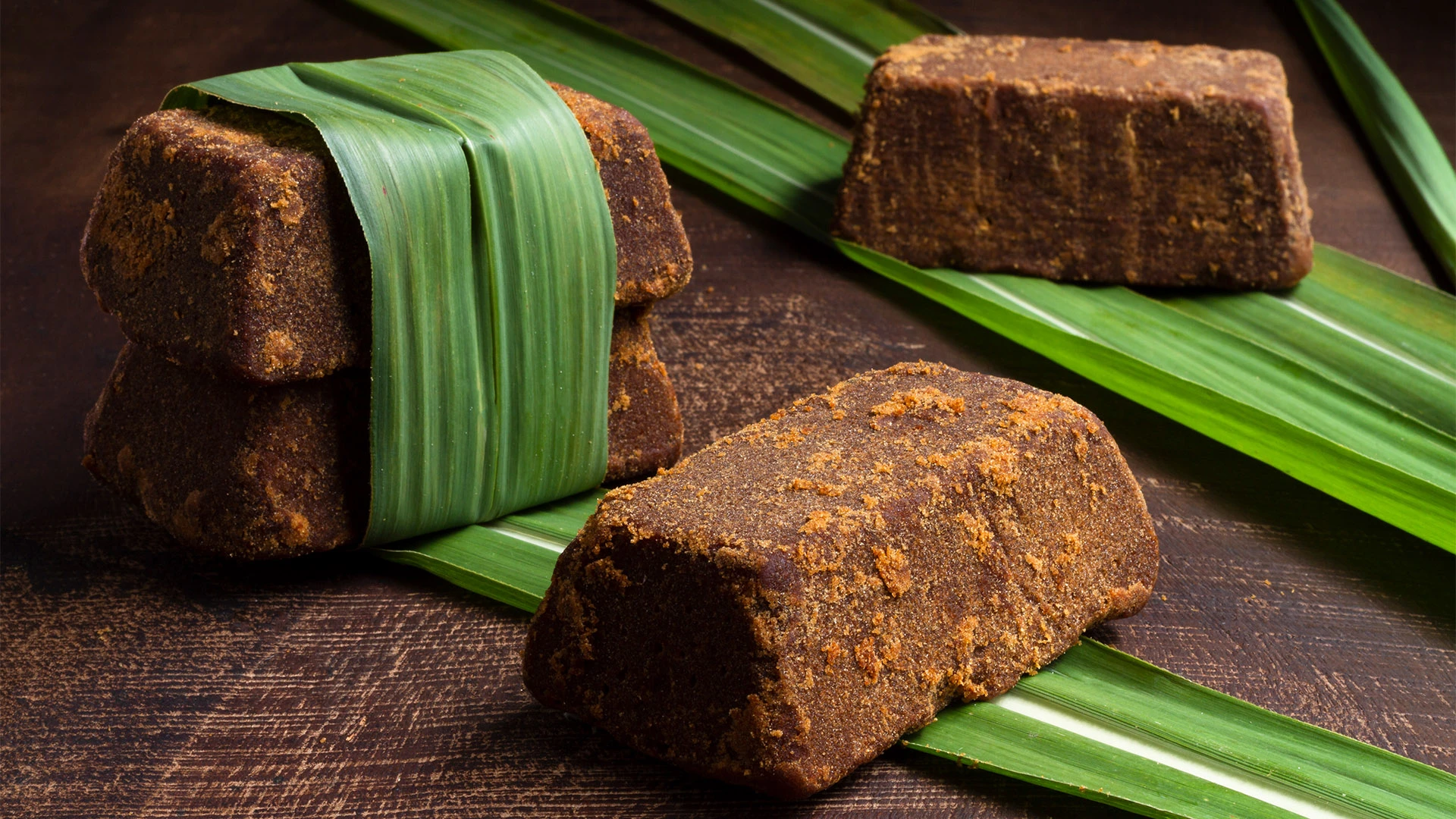
When you're trying to make smarter food choices, understanding the nutritional profile of traditional sweeteners becomes crucial. Jaggery, that golden-brown unrefined sugar that's been sweetening Indian households for centuries, packs about 383-400 calories per 100g.
But there's more to this story than just numbers on a scale. Unlike its processed cousin white sugar, jaggery retains minerals and compounds that your body actually recognizes and can use. This comprehensive breakdown will give you everything you need to know about jaggery's nutritional footprint, from calorie counts to micronutrient content, so you can make informed decisions about incorporating this traditional sweetener into your modern wellness routine.
Let's cut through the confusion and get straight to the numbers. A 100g serving of jaggery delivers approximately 383-400 calories, making it surprisingly similar to refined sugar in terms of energy content. However, the devil—or in this case, the angel—is in the details.
The caloric content comes primarily from carbohydrates, which make up about 98g per 100g serving. This isn't just empty sugar though. Jaggery contains 65-85g of sucrose, with the remaining 10-15g split between fructose and glucose. The protein content sits at a modest 0.4g, while fat content is virtually negligible at 0.1g.
Here's where jaggery starts to shine compared to refined alternatives. It retains significant amounts of iron, potassium, and magnesium—minerals that get stripped away during sugar processing. You'll also find traces of B-complex vitamins and antioxidant compounds that contribute to its distinctive flavor and potential health benefits.
Knowing the 100g calorie count is useful, but let's talk about portions you'd actually consume. Most people don't eat jaggery by the handful, so here's how the calories break down for realistic serving sizes. A 50g portion contains 191-200 calories—still substantial but more manageable for daily consumption. For smaller amounts, 10g delivers 38-40 calories, which is roughly equivalent to a small piece or cube. If you're measuring by spoons, one teaspoon (6g) provides 23-24 calories, while two tablespoons (24g) pack 92-96 calories. These numbers matter because they help you understand how quickly jaggery calories can add up in your daily intake. A seemingly innocent piece after meals can contribute significantly to your caloric budget.
The eternal debate: is jaggery really better than sugar? From a pure calorie standpoint, they're nearly identical. Refined sugar contains 387 calories per 100g compared to jaggery's 383-400 calories. So if you're purely counting calories, there's no clear winner.
The real difference lies in processing and nutrient retention. Jaggery undergoes minimal processing, which means it retains minerals like iron, potassium, and magnesium that get completely eliminated during sugar refining. The glycemic index of jaggery ranges from 84-85, slightly lower than refined sugar's 100, though both still cause rapid blood sugar spikes.
Jaggery's less aggressive processing means it contains trace amounts of vitamins and antioxidants. While these amounts aren't massive, they're infinitely more than what you'll find in white sugar. The mineral content, particularly iron, can contribute meaningfully to daily nutrient intake when consumed regularly.
Not all jaggery is created equal. The source and processing method significantly impact both calorie content and nutritional profile. Understanding these differences helps you make more informed choices based on your health goals.
Organic jaggery typically contains similar calorie counts but higher mineral concentrations due to pesticide-free farming practices. The soil quality and farming methods can influence the final product's micronutrient density.
Palm jaggery tends to have slightly different nutritional profiles compared to sugarcane varieties, often containing higher levels of certain minerals. Date palm jaggery can vary in calorie content from 350-380 calories per 100g, making it a slightly lower-calorie option while maintaining similar mineral benefits.
Let's address the elephant in the room: can jaggery actually support your health goals, or is it just marketing hype? The truth lies somewhere in the middle, and understanding the science helps you use it strategically.
Jaggery's iron content can genuinely help prevent iron deficiency, particularly relevant for vegetarians and women. The mineral profile supports digestive health and may aid in maintaining electrolyte balance. Some studies suggest its antioxidant properties could support overall cellular health, though more research is needed.
The idea that jaggery promotes weight loss is largely mythical. At 383-400 calories per 100g, it's still a high-calorie food that can contribute to weight gain if consumed excessively. However, its mineral content and slightly lower glycemic impact might make it a better choice than refined sugar when used in moderation.
If you're including jaggery in your diet, treat it as you would any sweetener—sparingly and strategically. Limit intake to 10-20g daily to enjoy benefits without derailing health goals. Consider timing consumption around workouts when your body can better utilize the quick energy.
Knowing how to use and store jaggery properly ensures you get maximum nutritional value while maintaining food safety. Poor storage can lead to nutrient degradation and potential contamination. Store jaggery in airtight containers away from moisture to prevent mold growth. Properly stored jaggery can maintain its nutritional profile for 6-12 months. When cooking, add jaggery toward the end of the process to preserve heat-sensitive compounds. For baking applications, remember that jaggery's moisture content differs from sugar, so recipes may need slight adjustments. Its distinct flavor works particularly well in traditional preparations and can enhance the taste profile of modern healthy recipes.
Answer: 50g of jaggery contains approximately 191-200 calories. This portion size is more realistic for daily consumption compared to the standard 100g reference serving.
Answer: Jaggery offers slight nutritional advantages due to its mineral content, including iron, potassium, and magnesium. However, both are high in calories and can impact blood sugar levels significantly. The health benefit comes from choosing jaggery in moderation rather than viewing it as a health food.
Answer: 100g of jaggery contains approximately 0.4g of protein. This minimal protein content means jaggery shouldn't be considered a protein source in your diet.
Answer: Two tablespoons of jaggery (approximately 24g) contain 92-96 calories. This serving size is commonly used in cooking and baking applications.
Answer: Diabetics should approach jaggery with the same caution as any high-sugar food. While it has a slightly lower glycemic index than refined sugar, it still causes significant blood sugar spikes. Consultation with healthcare providers is essential before including jaggery in diabetic meal plans.
Answer: Jaggery has a glycemic index of 84-85, compared to refined sugar's 100. While lower, it's still considered a high-glycemic food that can rapidly increase blood sugar levels.
Jaggery delivers 383-400 calories per 100g, making it nutritionally similar to refined sugar in terms of energy content. The key difference lies in its retained minerals and less processed nature, which provides modest health advantages. However, these benefits don't transform jaggery into a health food—it remains a high-calorie sweetener that requires mindful consumption. When choosing between sweeteners, consider jaggery for its mineral content and traditional processing methods, but maintain realistic expectations about its health impact. The most significant benefit comes from using any sweetener—whether jaggery or sugar—in moderation as part of a balanced, nutrient-dense diet. Remember, the best sweetener is often the one you use least, regardless of its source or processing method.


Someone sent you
Powered by ReferRush