


Jaggery 101: Nutritional Value and Health Secrets

Get personalised recommendations with our assessment.
Personalised Health Diagnosis (PHD)
The sweet, earthy aroma of jaggery has filled Indian kitchens for centuries, yet this ancient sweetener remains shrouded in confusion about its true nutritional worth. While refined sugar dominates modern diets, jaggery stands as a testament to traditional wisdom—packed with minerals that white sugar strips away during processing. Understanding jaggery nutritional value per 100g reveals why this unrefined sweetener deserves serious consideration in your wellness journey. From iron content that rivals many supplements to digestive benefits that support gut health, jaggery offers more than just sweetness. Let's decode the science behind this golden treasure and separate fact from folklore.
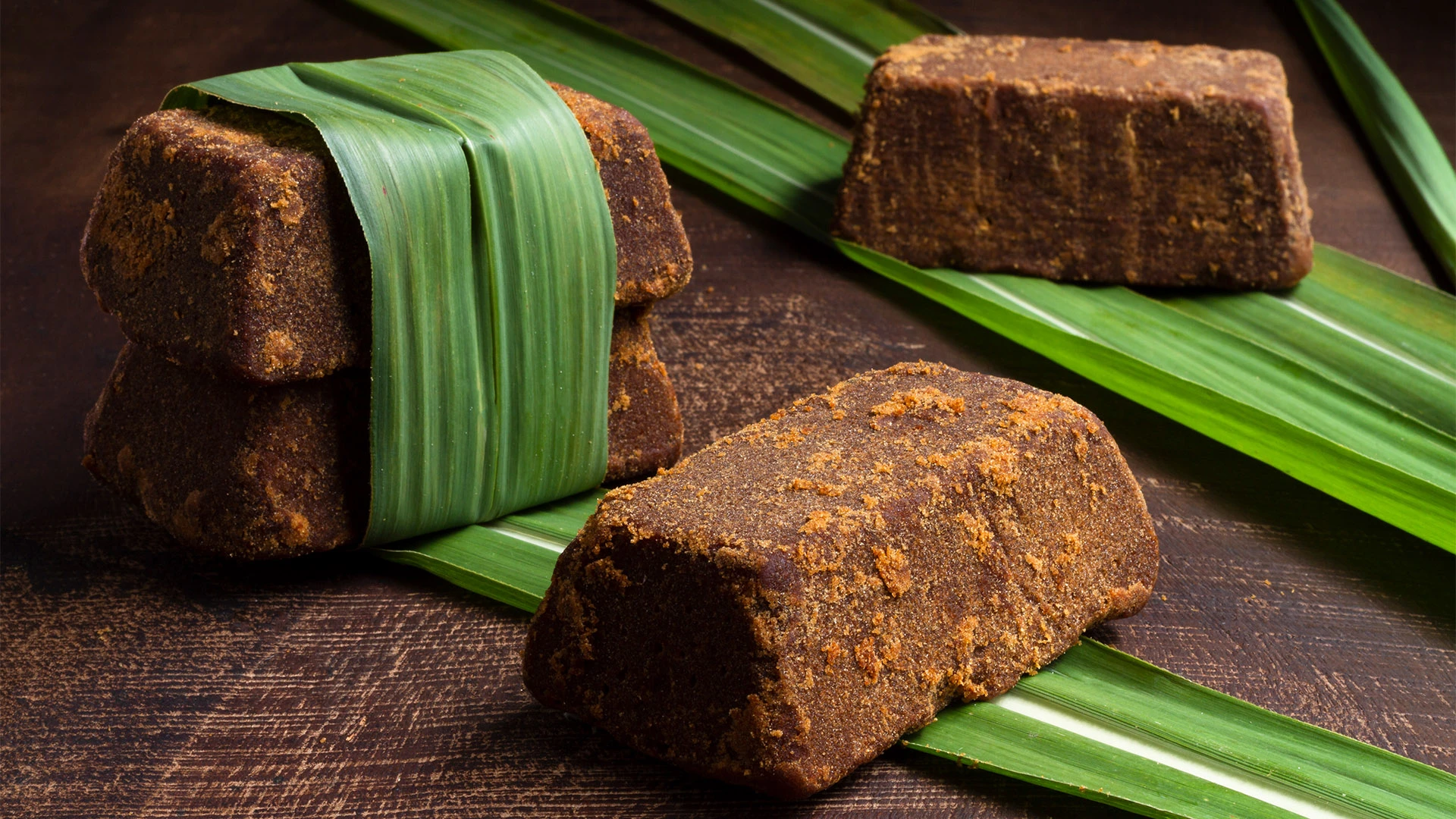
Jaggery represents one of humanity's oldest sweetening methods, crafted through a simple yet precise process that preserves nature's intended nutritional profile. Unlike refined sugar, which undergoes extensive chemical processing, jaggery emerges from direct extraction and concentration of plant juices—primarily sugarcane, but also palm sap and dates. The traditional production method involves crushing sugarcane to extract juice, then boiling it in large iron vats until water evaporates and natural sugars concentrate into a thick, golden syrup. This syrup solidifies into blocks or powder form, retaining minerals and compounds that industrial refining destroys. The entire process avoids chemicals, bleaching agents, and artificial additives.
Sugarcane jaggery dominates global production, offering the most familiar taste profile with robust mineral content. Palm jaggery, extracted from date palm or coconut palm sap, provides a more complex flavor with higher potassium levels. Date jaggery delivers concentrated sweetness with enhanced fibre content and antioxidant properties. Each variety carries distinct nutritional signatures based on source plants and regional production methods. Organic jaggery, produced without synthetic fertilizers or pesticides, typically contains higher antioxidant levels and cleaner mineral profiles compared to conventional alternatives.
Jaggery nutritional value per 100g reveals impressive density across multiple nutrient categories, making it a legitimate functional food rather than empty calories. The complete macronutrient profile shows 383 calories, 86.1g carbohydrates, 1.5g protein, and 0.1g fat—numbers that tell only part of the story. The mineral composition sets jaggery apart from refined alternatives. Jaggery iron content reaches 11.4mg per 100g, providing 61% of daily iron requirements in a single serving. This bioavailable iron form supports hemoglobin production and prevents iron-deficiency anemia more effectively than synthetic supplements.
Calcium content varies significantly by source and processing method, ranging from 80-363mg per 100g. Traditional iron-pot processing increases both iron and calcium levels through mineral leaching during cooking. Phosphorus contributes 62mg, supporting bone health and energy metabolism. Vitamin composition includes 7mg vitamin C, 111.3mg vitamin E, and trace amounts of vitamin A. These antioxidant vitamins work synergistically with minerals to support immune function and cellular protection. The vitamin E content particularly stands out, offering significant antioxidant protection often missing from refined sweeteners.
Calorie comparison reveals minimal difference—jaggery contains 383 calories versus white sugar's 387 calories per 100g. However, micronutrient density creates the real distinction. While refined sugar provides zero minerals or vitamins, jaggery delivers substantial iron, calcium, and potassium alongside natural antioxidants. Jaggery glycemic index measures approximately 84.4, compared to table sugar's 65. This higher glycemic response might seem concerning, but jaggery's mineral content and fibre traces create more sustained energy release than pure sucrose.
Jaggery benefits extend beyond basic nutrition into therapeutic territory, supported by emerging research on unrefined sugar alternatives. The mineral density creates physiological advantages that refined sweeteners cannot match, particularly for individuals with specific nutritional deficiencies. Benefits of jaggery for digestion stem from natural enzymes and minerals that support gut health. Unlike refined sugar, which can disrupt beneficial bacteria, jaggery contains prebiotic compounds that nourish healthy gut microbes. The iron content aids digestive enzyme production, while potassium supports proper muscle function throughout the digestive tract.
Despite its higher glycemic index, jaggery's mineral content supports better glucose metabolism than refined sugar. Chromium traces help regulate blood sugar levels, while magnesium supports insulin sensitivity. The sustained energy release prevents the dramatic blood sugar spikes and crashes associated with processed sweeteners. Liver detoxification benefits emerge from jaggery's natural cleansing properties. Traditional medicine systems recognize jaggery's ability to support liver function and eliminate toxins, though modern research continues investigating these mechanisms. The antioxidant content certainly supports cellular protection against oxidative stress.
Recommended daily jaggery intake varies based on individual health status, activity level, and overall dietary patterns. For healthy adults, 10-20g daily provides mineral benefits without excessive sugar load. Athletes or individuals with higher energy needs might safely consume 25-30g, while those managing diabetes should limit intake to 5-10g under medical supervision. Timing recommendations suggest consuming jaggery during active periods when glucose utilization remains high.
Post-workout consumption supports glycogen replenishment while delivering essential minerals for recovery. Avoiding jaggery before bedtime prevents blood sugar fluctuations that might disrupt sleep quality. Portion control strategies help maximize benefits while minimizing risks. A 10g serving provides approximately 38 calories with 1.1mg iron—significant nutritional value in a small package. Measuring portions prevents unconscious overconsumption that could contribute to weight gain or blood sugar issues.
Natural sweeteners comparison reveals jaggery's unique position in the unrefined sugar alternatives landscape. While honey provides enzymes and antimicrobial properties, jaggery delivers superior mineral density. Maple syrup offers antioxidants but lacks jaggery's iron content. Coconut sugar provides lower glycemic response but contains fewer overall nutrients. Jaggery vs sugar processing differences create the fundamental health distinction. Sugar refining removes molasses—the mineral-rich component that gives jaggery its nutritional value. This processing also eliminates natural antioxidants and creates a product that provides only calories without beneficial compounds. Cost-effectiveness analysis shows jaggery competing favorably with other natural sweeteners while providing superior nutritional density. Organic jaggery costs more than conventional varieties but delivers cleaner mineral profiles and enhanced antioxidant content worth the premium for health-conscious consumers.
Organic jaggery selection requires understanding quality indicators that separate authentic products from adulterated alternatives. Pure jaggery displays uniform color without artificial brightening, dissolves completely in water without residue, and maintains natural texture without excessive hardness or stickiness. Storage methods significantly impact jaggery's nutritional retention and safety. Airtight containers prevent moisture absorption that could promote mold growth. Cool, dry storage locations preserve vitamin content and prevent rancidity. Properly stored jaggery maintains quality for 12-18 months without refrigeration. Culinary applications extend beyond direct sweetening into recipe enhancement and nutritional fortification. Jaggery substitutes for refined sugar at 3:4 ratio in most recipes, adding mineral content alongside sweetness. Dissolving jaggery in warm water creates liquid sweetener perfect for beverages and marinades.
Answer: Jaggery nutritional value per 100g includes 383 calories, 86.1g carbohydrates, 1.5g protein, 0.1g fat, 11.4mg iron (61% RDI), 80-363mg calcium, 62mg phosphorus, 7mg vitamin C, and 111.3mg vitamin E. This mineral density makes jaggery nutritionally superior to refined sugar.
Answer: Jaggery contains 1.5g protein per 100g, providing essential amino acids often missing from refined sweeteners. While not a primary protein source, this content contributes to jaggery's overall nutritional profile and supports its classification as a functional food rather than empty calories.
Answer: Yes, jaggery is significantly healthier than refined sugar due to its mineral density and antioxidant content. While both contain similar calories, jaggery provides iron, calcium, potassium, and vitamins that sugar processing removes. The unrefined nature preserves beneficial compounds that support health beyond basic energy provision.
Answer: Jaggery contains 80-363mg calcium per 100g, with variation depending on processing methods and source materials. Traditional iron-pot processing increases calcium content through mineral leaching. This calcium supports bone health and works synergistically with other minerals for optimal absorption.
Answer: Diabetics should consume jaggery cautiously and under medical supervision. Despite its mineral benefits, jaggery has a glycemic index of 84.4, which can raise blood sugar levels. Limited portions (5-10g) might be acceptable within controlled diabetic diets, but individual responses vary significantly.
Answer: Yes, jaggery's 11.4mg iron content per 100g provides 61% of daily iron requirements in bioavailable form. This makes jaggery an effective natural supplement for preventing and treating iron-deficiency anemia, particularly when combined with vitamin C sources that enhance iron absorption.
Answer: Optimal jaggery consumption occurs during active periods when glucose utilization remains high. Post-workout timing supports glycogen replenishment while delivering essential minerals for recovery. Avoiding evening consumption prevents blood sugar fluctuations that might disrupt sleep quality.
Jaggery nutritional value per 100g demonstrates why this ancient sweetener deserves modern recognition as a functional food rather than simple sugar alternative. The impressive mineral density—particularly iron content providing 61% of daily requirements—positions jaggery as both sweetener and nutritional supplement. While jaggery benefits include digestive support, mineral supplementation, and antioxidant protection, mindful consumption remains essential. The higher glycemic index requires portion control, especially for individuals managing blood sugar levels. Quality selection focusing on organic jaggery ensures maximum nutritional benefits without harmful additives. Understanding jaggery's place among natural sweeteners reveals its unique advantages in mineral density and traditional processing methods that preserve beneficial compounds. Whether supporting iron deficiency prevention or seeking unrefined sugar alternatives, jaggery offers science-backed benefits that refined sweeteners cannot match.


Someone sent you
Powered by ReferRush