


How to Sprout Moong for Maximum Protein Power

Get personalised recommendations with our assessment.
Personalised Health Diagnosis (PHD)
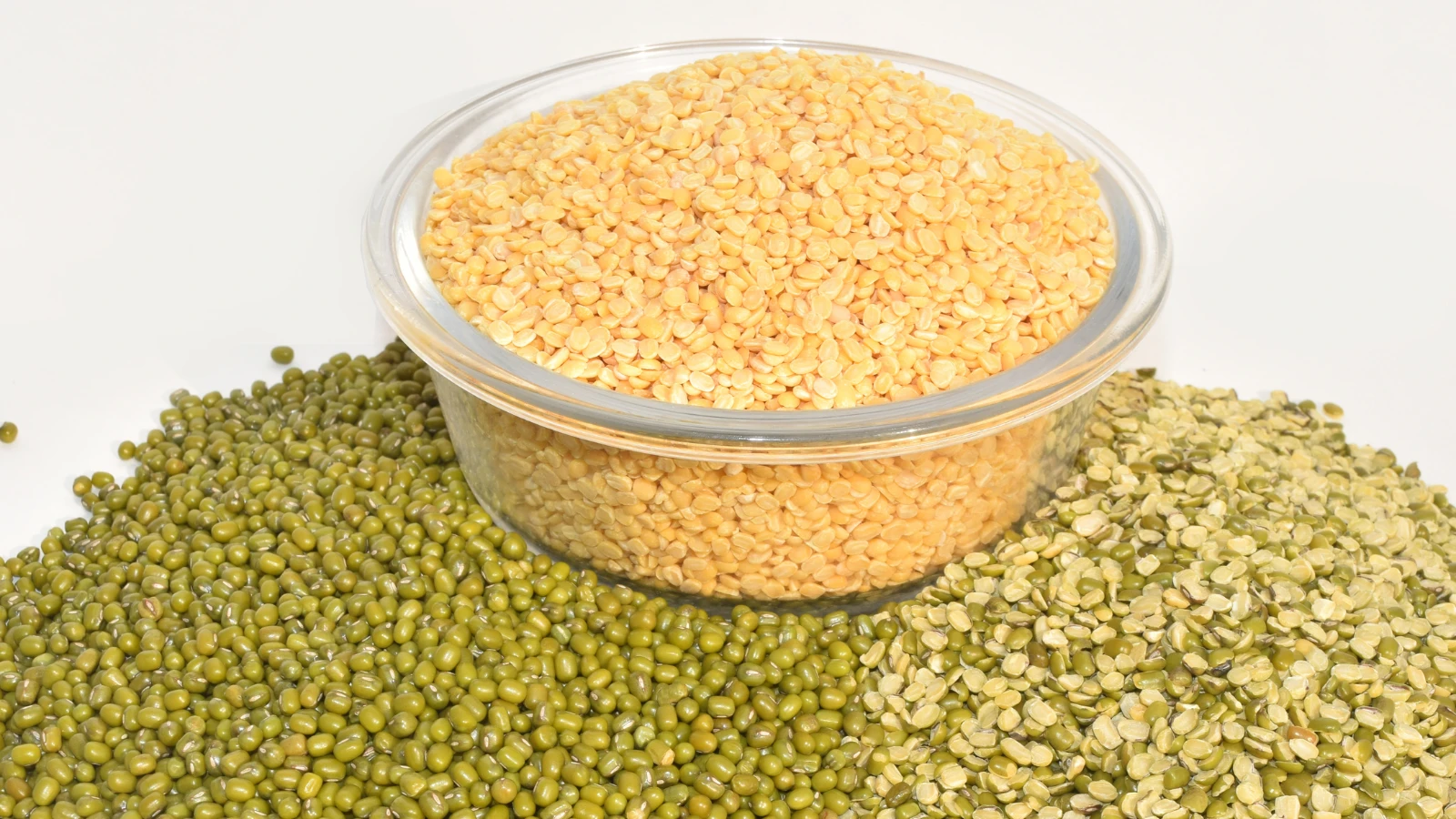
Sprouted moong has quietly become the protein powerhouse that's rewriting the rules of plant-based nutrition. While most people toss raw moong dal into their pantry and forget about it, the sprouting process transforms this humble legume into a digestible protein source that your gut actually loves. The magic happens when those tiny green beans crack open and release enzymes that break down complex proteins into forms your body can actually use. This isn't just another health trend—it's science-backed nutrition that delivers sprouted moong protein in its most bioavailable form. Whether you're chasing fitness goals or simply want to fuel your body with clean, plant-based protein, understanding how to properly sprout moong can revolutionize your nutrition game.
The transformation from raw moong dal to sprouted powerhouse isn't just visual—it's a complete nutritional makeover. Raw moong dal packs about 24 grams of protein per 100 grams, but here's where it gets interesting. When you sprout those beans, the total protein content drops to around 3-4 grams per 100 grams of fresh sprouts. Before you panic about the numbers, understand this: sprouting trades quantity for quality, and that trade-off is worth every gram.
The sprouting process doesn't just reduce protein content—it fundamentally changes how your body processes that protein. Sprouted mung bean protein becomes 30% more bioavailable than its raw counterpart. This means your digestive system can actually break down and absorb more of the protein you're consuming. Raw moong dal might look impressive on paper with its 24-gram protein count, but much of that protein remains locked away by anti-nutritional factors that your gut struggles to process.
Let's be honest about what sprouted moong protein brings to the table. It's an incomplete protein, missing some essential amino acids like methionine and cysteine. But sprouting enhances the amino acids that are present, making them more readily available for muscle synthesis and cellular repair. The key is understanding how to complement sprouted moong with other vegan protein sources to create a complete amino acid profile.
Sprouting isn't magic—it's biochemistry in action. When moong beans begin to germinate, they activate dormant enzymes that start breaking down complex proteins, starches, and anti-nutritional factors. This process essentially pre-digests the protein for you, making it one of the most gut-friendly protein sources available. The sprouting process also reduces phytic acid and tannins, compounds that can interfere with mineral absorption and cause digestive discomfort.
During sprouting, proteolytic enzymes get to work breaking down storage proteins into smaller, more digestible peptides and amino acids. This enzymatic action is why sprouted moong feels lighter in your stomach compared to cooked whole moong dal. The process also increases the concentration of certain vitamins, particularly vitamin C and B, while enhancing mineral bioavailability.
Your digestive system will thank you for choosing sprouted moong over raw legumes. The sprouting process significantly reduces oligosaccharides—the complex sugars responsible for gas and bloating when you eat beans. Additionally, sprouted moong contains prebiotic fibre that feeds beneficial gut bacteria, supporting overall digestive health while delivering clean protein.
Getting the sprouting process right makes the difference between mediocre nutrition and maximum protein power. The goal is to activate the sprouting process without compromising protein quality or safety. Here's how to nail it every time.
Start with high-quality whole green moong dal. Rinse thoroughly and soak in clean water for 8-12 hours. Use a 1:3 ratio of moong to water. After soaking, drain completely and place the beans in a sprouting jar or clean cloth. Keep them in a dark, well-ventilated area at room temperature (20-25°C). Rinse and drain every 8-12 hours. You'll see tiny white tails emerging within 24-48 hours—this is when protein bioavailability peaks.
Food safety isn't optional when sprouting. Always use clean, filtered water and sanitized equipment. If sprouts develop a sour smell or slimy texture, discard them immediately. The sweet, fresh smell of properly sprouted moong is your indicator of success. Store fresh sprouts in the refrigerator and consume within 2-3 days for optimal nutrition and safety.
Timing and quantity matter when you're optimizing sprouted moong benefits for your metabolism and protein goals. These aren't just empty calories—they're metabolism-boosting foods that can support your energy levels throughout the day.
A 100-gram serving of sprouted moong provides approximately 3-4 grams of highly digestible protein along with fibre, vitamins, and minerals. This serving size is safe for daily consumption and works well as part of a balanced diet. For optimal protein absorption, consider consuming sprouted moong post-workout when your muscles are primed for nutrient uptake.
To maximize the protein value of sprouted moong, pair it with complementary proteins. Combine with nuts, seeds, or grains to create a complete amino acid profile. A sprouted moong salad with pumpkin seeds and quinoa delivers all essential amino acids your body needs for muscle maintenance and growth.
Raw or cooked? This question divides the sprouted moong community, but the answer depends on your priorities: maximum nutrition versus food safety. Both approaches have merit when done correctly.
Raw sprouted moong retains maximum enzyme activity and vitamin content, but carries a higher risk of bacterial contamination. If you choose raw consumption, ensure impeccable hygiene during sprouting and consume fresh sprouts immediately. Light steaming for 2-3 minutes can eliminate potential pathogens while preserving most nutrients—a smart compromise for safety-conscious consumers.
Create protein-rich breakfast bowls by combining sprouted moong with Greek yogurt, nuts, and seeds. For post-workout nutrition, blend sprouted moong into smoothies with plant-based protein powder. The mild, nutty flavor complements both sweet and savory preparations without overwhelming other ingredients.
In the world of plant-based protein, sprouted moong holds its own against more popular options. While it may not have the protein density of hemp seeds or the complete amino acid profile of quinoa, its digestibility and affordability make it a valuable addition to any plant-powered diet.
Sprouted legumes protein varies significantly across different varieties. Sprouted chickpeas provide about 8 grams of protein per 100 grams, while sprouted lentils offer around 9 grams. Sprouted moong may have lower protein content, but its superior digestibility often makes it the better choice for sensitive stomachs.
When you calculate cost per gram of digestible protein, sprouted moong emerges as one of the most economical vegan protein sources available. A kilogram of moong dal can produce several kilograms of fresh sprouts, making it accessible for budget-conscious health enthusiasts who refuse to compromise on nutrition quality.
Answer: Sprouted moong contains approximately 3-4 grams of protein per 100g. While this is lower than raw moong dal, the protein is significantly more bioavailable and easier to digest.
Answer: Yes, 100g of sprouted moong daily is generally safe and beneficial. This amount provides protein, fibre, vitamins, and minerals while supporting digestive health as part of a balanced diet.
Answer: The total protein content decreases from about 24g to 3-4g per 100g during sprouting, but bioavailability increases by up to 30%. You're trading quantity for quality and digestibility.
Answer: Both options work. Raw sprouted moong retains maximum nutrients but requires strict hygiene. Light steaming for 2-3 minutes eliminates potential bacteria while preserving most nutritional benefits.
Answer: Fresh sprouted moong lasts 2-3 days in the refrigerator when stored properly in a breathable container. Always check for off-odors or slimy texture before consuming.
Answer: Sprouted moong works best as part of a diverse protein strategy rather than a complete replacement. Combine it with other plant-based protein sources to ensure you're meeting all amino acid requirements.
Sprouted moong transforms from a simple legume into a digestible protein powerhouse through the sprouting process. While the total protein content decreases, the bioavailability increases dramatically, making it easier for your body to actually use the protein you're consuming. The sprouting process also reduces anti-nutritional factors and creates a more gut-friendly protein source that supports digestive health. The key to maximizing sprouted moong protein benefits lies in proper sprouting technique, food safety practices, and strategic protein combining. Whether you consume it raw or lightly cooked, sprouted moong offers an affordable, accessible way to boost your plant-based protein intake while supporting metabolic health. Remember that sprouted moong works best as part of a diverse nutrition strategy, not as a standalone protein solution. Combine it with other vegan protein sources to create complete, satisfying meals that fuel your body with clean, optimized nutrition.


Someone sent you
Powered by ReferRush