


How to Repopulate Gut Flora: A Natural Approach

Get personalised recommendations with our assessment.
Personalised Health Diagnosis (PHD)
Your gut houses trillions of bacteria that influence everything from digestion to immunity to mood. When this delicate ecosystem falls out of balance, your entire body feels the impact. The good news? You can restore gut bacteria naturally without relying on expensive supplements or complicated protocols. Understanding how to repopulate gut flora through targeted nutrition and lifestyle changes puts you back in control of your digestive health.
Modern life constantly challenges our gut microbiome. Processed foods, stress, antibiotics, and environmental toxins can wipe out beneficial bacteria faster than we can replace them. But your gut is remarkably resilient when given the right tools to rebuild.
Recognizing gut flora imbalance symptoms is the first step toward restoration. Your body sends clear signals when beneficial bacteria are depleted and harmful microbes take over. These warning signs often appear gradually, making them easy to dismiss as normal aging or stress.
Common symptoms include persistent digestive issues like bloating, gas, irregular bowel movements, and food sensitivities. But the effects extend far beyond your stomach. Frequent infections, skin problems, mood swings, brain fog, and chronic fatigue all point to compromised gut health.
Several factors contribute to microbiome disruption. Antibiotic use, while sometimes necessary, eliminates both harmful and beneficial bacteria indiscriminately. Diets high in processed foods and sugar feed pathogenic bacteria while starving beneficial strains.
Your gut produces 90% of your body's serotonin, directly influencing mood and mental clarity. A balanced microbiome also trains your immune system, helping it distinguish between threats and harmless substances. This explains why gut health issues often coincide with autoimmune conditions and allergies.
Understanding how to restore gut bacteria requires knowing what beneficial microbes actually do. These microscopic allies break down fiber into short-chain fatty acids that nourish your intestinal lining. They synthesize vitamins, particularly B vitamins and vitamin K, while crowding out harmful bacteria through competitive exclusion.
Natural restoration approaches work with your body's existing systems rather than forcing artificial changes. When you improve gut microbiome diversity through whole foods, you create sustainable, long-term health benefits that synthetic approaches often can't match.
Initial improvements typically appear within 2-4 weeks of consistent dietary changes. You might notice better digestion, increased energy, and improved mood during this period. Complete microbiome restoration takes 3-6 months, as beneficial bacteria need time to establish stable colonies and restore proper bacterial ratios.
Research consistently shows that microbiome diversity correlates with better health outcomes. A varied diet containing multiple plant species provides different types of fiber that feed distinct bacterial strains. This diversity creates a more resilient gut ecosystem capable of withstanding future challenges.
Probiotic foods for gut health deliver live beneficial bacteria directly to your digestive system. Unlike supplements, these foods provide bacteria in their natural matrix, often with additional nutrients that support bacterial survival and colonization.
Fermented foods gut health benefits extend beyond simple probiotic delivery. The fermentation process creates bioactive compounds that reduce inflammation and support intestinal barrier function.
Yogurt with live cultures provides Lactobacillus and Bifidobacterium strains that support digestive health. Choose varieties without added sugars, as excess sugar feeds harmful bacteria. Kefir offers even greater bacterial diversity than yogurt, with up to 60 different probiotic strains.
Kimchi and sauerkraut deliver probiotics along with vitamin C and fiber
Miso and tempeh provide probiotics plus complete proteins
Kombucha offers probiotics in a refreshing, low-sugar format
Traditional pickles (not vinegar-based) contain beneficial lactobacilli
Start with small portions to avoid digestive upset as your gut adjusts. Add a tablespoon of sauerkraut to salads, enjoy kefir smoothies, or sip kombucha with meals. Consistency matters more than quantity when rebuilding gut flora.
Prebiotic foods for gut flora provide the fuel that beneficial bacteria need to thrive. These fiber-rich plant foods resist digestion in your small intestine, arriving intact in your colon where gut bacteria ferment them into beneficial compounds.
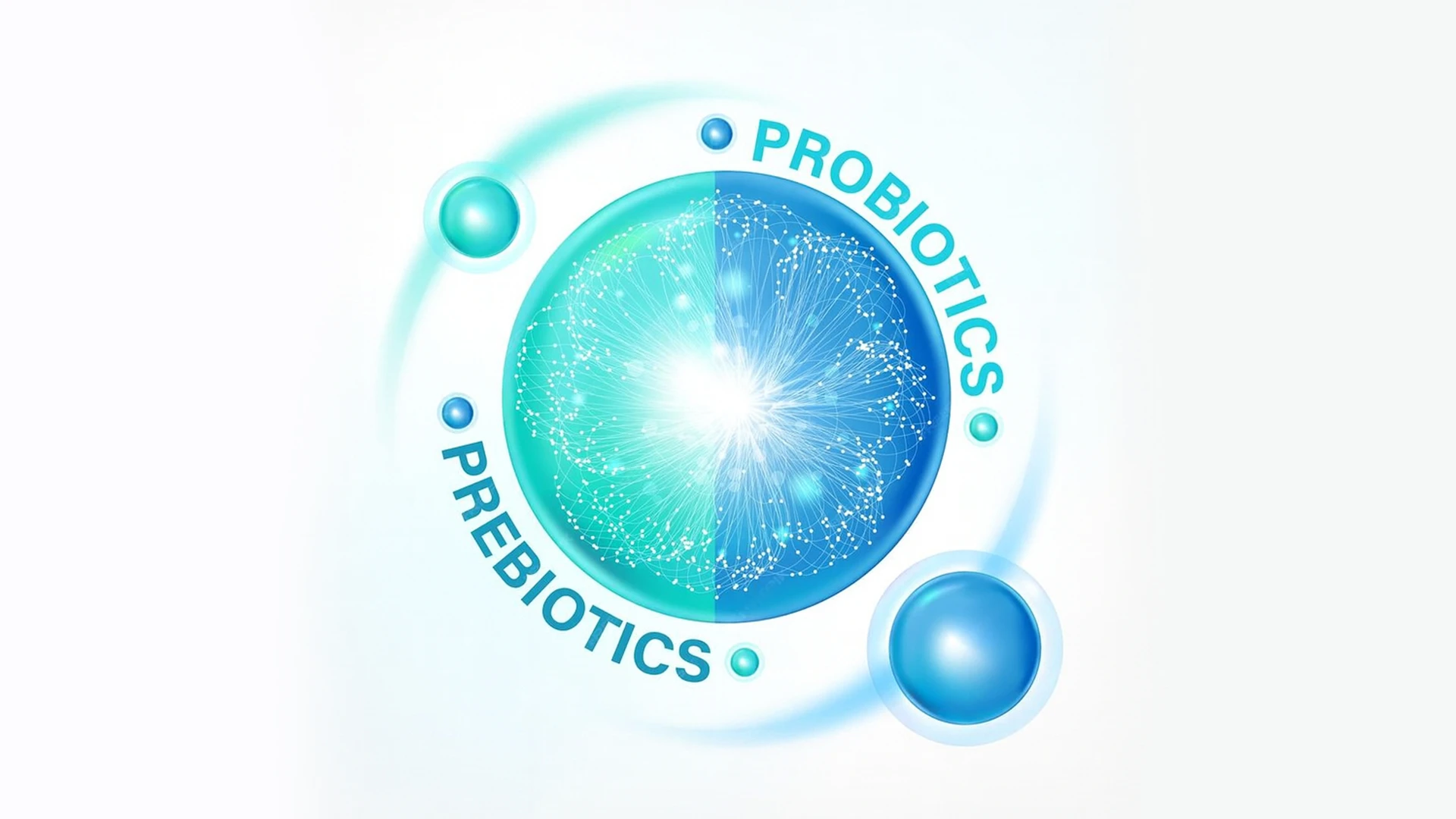
To rebuild gut flora naturally, you need both probiotics (the bacteria) and prebiotics (their food). This synergistic approach ensures that beneficial bacteria not only arrive but also establish permanent colonies in your gut.
Garlic and onions contain inulin, a powerful prebiotic that specifically feeds Bifidobacterium strains. Raw versions provide more prebiotic benefit than cooked, though both offer value. Asparagus, artichokes, and leeks belong to the same prebiotic-rich family.
Green bananas contain resistant starch that feeds beneficial bacteria
Oats and barley provide beta-glucan fiber with prebiotic properties
Apples and berries offer pectin, another beneficial prebiotic fiber
Legumes deliver both prebiotic fiber and plant protein
Aim for 25-35 grams of fiber daily from diverse plant sources. Include prebiotic foods at each meal: oatmeal with berries for breakfast, salads with garlic dressing for lunch, and roasted vegetables for dinner. This consistent fiber intake keeps beneficial bacteria well-fed throughout the day.
Balancing gut flora requires more than dietary changes alone. Your lifestyle choices significantly impact bacterial diversity and overall gut health and digestion. Sleep, exercise, stress management, and meal timing all influence your microbiome composition.
These lifestyle factors work synergistically with dietary improvements, often accelerating gut restoration when implemented together. Small, consistent changes in daily habits can produce dramatic improvements in gut health within weeks.
Your gut bacteria follow circadian rhythms just like you do. Poor sleep disrupts these natural cycles, reducing beneficial bacteria populations and increasing inflammation. Aim for 7-8 hours of quality sleep nightly to support optimal microbiome function.
Regular exercise increases gut bacterial diversity and promotes the growth of beneficial strains. Even moderate activity like daily walks can improve microbiome health. High-intensity exercise may temporarily stress the gut, so balance intense workouts with gentler movement.
Chronic stress directly damages gut bacteria through elevated cortisol levels. Practice stress-reduction techniques like meditation, deep breathing, or yoga. Even five minutes of daily mindfulness can positively impact your gut-brain axis.
Limit processed foods that feed harmful bacteria
Reduce sugar intake to prevent bacterial overgrowth
Stay hydrated to support healthy digestion
Eat mindfully to improve nutrient absorption
Focus on eating diverse whole foods, adding fermented foods daily, consuming prebiotic-rich vegetables, and eliminating processed foods and excess sugar. Consistency with these changes typically shows results within 2-4 weeks.
Initial improvements may occur within 2-4 weeks, but full microbiome restoration typically takes 3-6 months of consistent dietary and lifestyle changes. Individual timelines vary based on starting gut health and adherence to restoration protocols.
Common signs include digestive issues like bloating and irregular bowel movements, frequent infections, mood changes, skin problems, food sensitivities, brain fog, and chronic fatigue. These symptoms often improve as gut health restores.
Yes, a diet rich in fermented foods, prebiotic fibers, and diverse plant foods can effectively restore beneficial bacteria naturally. Whole food approaches often provide more sustainable results than supplement-only protocols.
Limit processed foods, excess sugar, artificial sweeteners, and unnecessary antibiotics. These can feed harmful bacteria or eliminate beneficial strains, slowing your restoration progress.
Restoring gut flora naturally is both achievable and sustainable when you understand the fundamentals. Your gut microbiome responds quickly to positive changes, often showing improvements within weeks of implementing targeted nutrition and lifestyle strategies.
Focus on diversity in your approach: eat various fermented foods, consume multiple types of prebiotic fiber, and support your efforts with adequate sleep and stress management. Remember that gut health is a journey, not a destination. Consistent, gentle changes create lasting improvements that support your overall wellness for years to come.


Someone sent you
Powered by ReferRush