


Sprouts and Their Nutritional Value

Get personalised recommendations with our assessment.
Personalised Health Diagnosis (PHD)
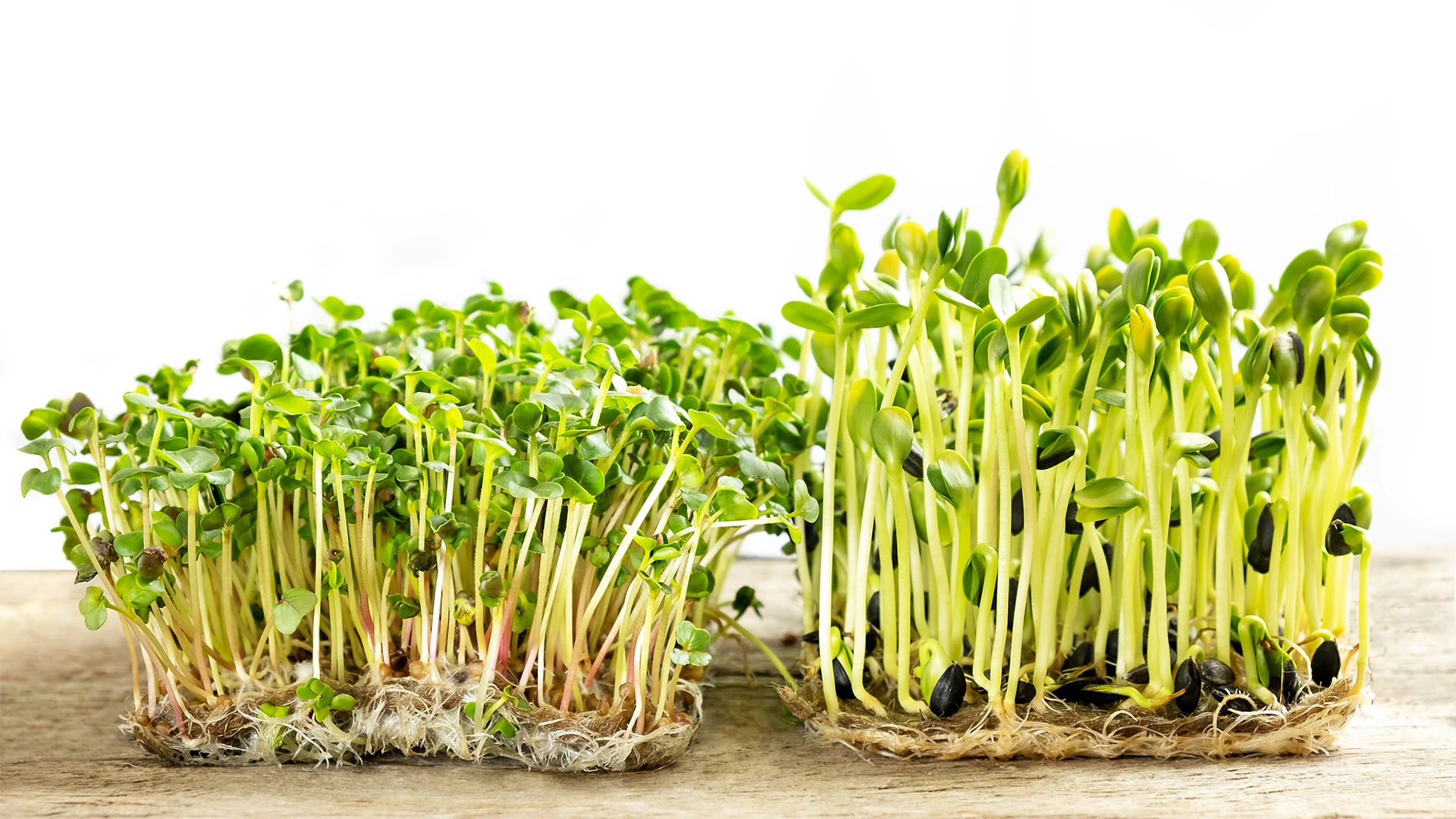
Sprouts pack more nutritional punch per gram than most people realize. These tiny powerhouses deliver concentrated vitamins, minerals, and protein in a surprisingly small package. When you measure sprouts nutritional value per 100g, you're looking at one of nature's most efficient nutrient delivery systems. The sprouting process transforms dormant seeds into metabolically active plants, boosting bioavailability of key nutrients by up to 300%. Understanding how to properly measure and evaluate sprouts nutrition facts helps you maximize their health benefits while ensuring you're getting accurate nutritional data for your diet planning.
Measuring sprouts nutritional value per 100g gives you a standardized way to compare different varieties and track your intake accurately. The 100-gram serving size has become the gold standard because it provides meaningful nutritional data without overwhelming portion sizes.
Most people consume between 50-100g of sprouts daily, making this measurement practical for real-world application. The sprouting process fundamentally changes the nutritional profile of seeds and legumes.
During germination, enzymes activate and begin breaking down complex starches into simpler sugars, proteins into amino acids, and fats into fatty acids. This process increases the bioavailability of nutrients, meaning your body can absorb and use them more effectively than from unsprouted seeds.
Sprouts achieve their impressive nutritional density through enzymatic activation during germination. The seed's stored energy converts into readily available nutrients, creating a concentrated source of vitamins, minerals, and protein. This transformation explains why sprouts often contain higher levels of certain nutrients than their mature plant counterparts.
Sprouts deliver essential nutrients in compact servings. Protein content typically ranges from 3-9g per 100g depending on the variety. Fibre content varies from 1.8-4g per 100g, supporting digestive health. Key vitamins include folate, vitamin K, and vitamin C, while important minerals include magnesium, phosphorus, and iron.
Different types of sprouts to eat offer varying nutritional profiles. Understanding these differences helps you choose varieties that align with your specific health goals. Each type brings unique benefits, from protein content to vitamin concentrations.
Moong bean sprouts represent one of the most popular and nutritionally balanced options. Their mild flavor and crisp texture make them versatile for various dishes while delivering solid nutrition. Chickpea sprouts offer the highest protein content among common varieties, making them excellent for those focused on protein intake.
Calories: 30 kcal
Protein: 3.04g
Carbohydrates: 5.94g
Fibre: 1.8g
Fat: 0.18g
Folate: 61 mcg
Vitamin K: 33 mcg
Magnesium: 21 mg
Calories: 40-45 kcal
Protein: 7.2g
Carbohydrates: 6-8g
Fibre: 3.1g
Fat: 0.6g
Iron: 2.1 mg
Phosphorus: 75 mg
Folate: 172 mcg
Alfalfa sprouts provide 4g protein per 100g with exceptional vitamin K content. Lentil sprouts offer 8.96g protein per 100g, making them protein powerhouses. Matki sprouts deliver 6g protein per 100g with high iron content. Each variety brings distinct nutritional advantages worth considering for dietary diversity.
Accurate measurement ensures you're getting precise nutritional data and consistent serving sizes. Proper measurement techniques account for water content variations and density differences between sprout types. Digital kitchen scales provide the most accurate results for tracking sprouts nutritional value per 100g. Fresh sprouts contain varying amounts of water depending on growing conditions and storage time. This affects both weight and nutritional concentration. Always drain excess water before weighing to get accurate measurements that align with standard nutritional databases.
Place a clean bowl on your digital scale and zero it out. Add fresh sprouts until you reach exactly 100g. Gently shake the bowl to settle sprouts and check the weight again. Remove any excess water by patting with paper towels if needed. This method gives you the most precise measurement for calculating nutritional intake.
One cup of loosely packed mung bean sprouts weighs approximately 104g. Alfalfa sprouts are lighter, with one cup weighing about 33g. Chickpea sprouts are denser, with one cup weighing around 120g. These conversions help when scales aren't available, though weighing remains more accurate.
The health benefits of sprouts extend far beyond basic nutrition. These miniature plants offer unique compounds and enhanced bioavailability that mature plants often lack. Research shows sprouts contain higher concentrations of certain antioxidants and enzymes compared to their fully grown counterparts. Sprouts support multiple aspects of health simultaneously. Their high fibre content promotes digestive wellness while their protein content supports muscle maintenance. The vitamin and mineral profile contributes to immune function, bone health, and cellular energy production.
Sprouts protein content varies significantly by type, but all varieties provide complete or near-complete amino acid profiles. The sprouting process breaks down complex proteins into more digestible forms, improving absorption rates. This makes sprouts an excellent protein source for vegetarians and anyone seeking easily digestible plant protein.
Sprouts concentrate essential micronutrients in small servings. Folate levels increase dramatically during sprouting, with some varieties showing 2-5 times higher concentrations than unsprouted seeds. Vitamin C content emerges during sprouting, as seeds typically contain minimal amounts. Iron bioavailability improves through sprouting, making this mineral more accessible to your body.
Sprouts fibre content supports beneficial gut bacteria while promoting regular digestion. The combination of soluble and insoluble fibre helps maintain healthy gut microbiome diversity. Fresh sprouts also contain active enzymes that aid in digesting sprouts and other foods consumed alongside them.
Maximizing nutritional benefits requires strategic consumption patterns and proper preparation methods. The timing of consumption, portion sizes, and food combinations all influence how well your body absorbs and utilizes sprouts' nutrients. Understanding these factors helps you get the most nutritional value from every serving. Sprouts calories are relatively low, making them excellent for nutrient density without excessive caloric intake. However, their high fibre and enzyme content means starting with smaller portions and gradually increasing intake prevents digestive discomfort while your system adapts.
Optimal daily intake ranges from 50-100g for most adults. Start with 25-50g daily for the first week to allow your digestive system to adapt. Gradually increase to your target amount based on tolerance and nutritional goals. This approach minimizes potential digestive issues while maximizing benefits.
Eating sprouts raw preserves maximum enzyme activity and heat-sensitive vitamins. However, light steaming for 2-3 minutes can improve digestibility for sensitive individuals without significantly reducing nutritional value. Chewing thoroughly activates digestive enzymes and improves nutrient absorption. Combining sprouts with healthy fats enhances absorption of fat-soluble vitamins.
Fresh sprouts maintain peak nutritional value for 3-5 days when properly stored. Refrigerate in perforated containers to maintain humidity while allowing air circulation. Rinse gently before consumption to remove any bacterial growth. Avoid sprouts that smell sour or appear slimy, as these indicate nutrient degradation and potential safety issues.
Answer: Yes, sprouts are exceptionally good for you. They provide concentrated nutrition, including high-quality protein, essential vitamins, minerals, and beneficial enzymes. The sprouting process increases nutrient bioavailability, making them more nutritious than many other plant foods. Their low calorie content combined with high nutrient density makes them ideal for healthy weight management.
Answer: Protein content varies by sprout type. Mung bean sprouts contain about 3g protein per 100g, while chickpea sprouts provide 7.2g per 100g. Lentil sprouts offer the highest protein content at approximately 9g per 100g. All sprout varieties provide complete or near-complete amino acid profiles.
Answer: Yes, consuming 100g of sprouts daily is safe and beneficial for most people. This amount provides significant nutritional benefits without excessive calories. Start with smaller portions if you're new to eating sprouts regularly, as the high fibre content may cause initial digestive adjustment. People with compromised immune systems should consult healthcare providers before consuming raw sprouts.
Answer: Sprouts are rich in folate, vitamin K, vitamin C, magnesium, phosphorus, and iron. They also provide high-quality protein, dietary fibre, and beneficial enzymes. The sprouting process concentrates these nutrients while creating new compounds like antioxidants that weren't present in the original seeds.
Answer: Sprouts calories range from 30-45 kcal per 100g depending on the variety. Mung bean sprouts contain about 30 calories, while chickpea sprouts contain 40-45 calories per 100g. This low caloric content makes sprouts excellent for nutrient-dense, low-calorie nutrition.
Measuring sprouts nutritional value per 100g reveals their impressive nutrient density and helps you track intake accurately. Different varieties offer unique nutritional profiles, with protein content ranging from 3-9g per 100g. The sprouting process enhances bioavailability, making nutrients more accessible than in unsprouted seeds. Proper measurement techniques using digital scales ensure accurate nutritional tracking. Daily consumption of 50-100g provides significant health benefits while remaining safe for most people. Fresh sprouts maintain peak nutrition for 3-5 days when properly stored. Understanding these fundamentals empowers you to maximize the nutritional benefits of these remarkable plant foods.


Someone sent you
Powered by ReferRush