


How to Follow a Metabolism Diet for Better Health
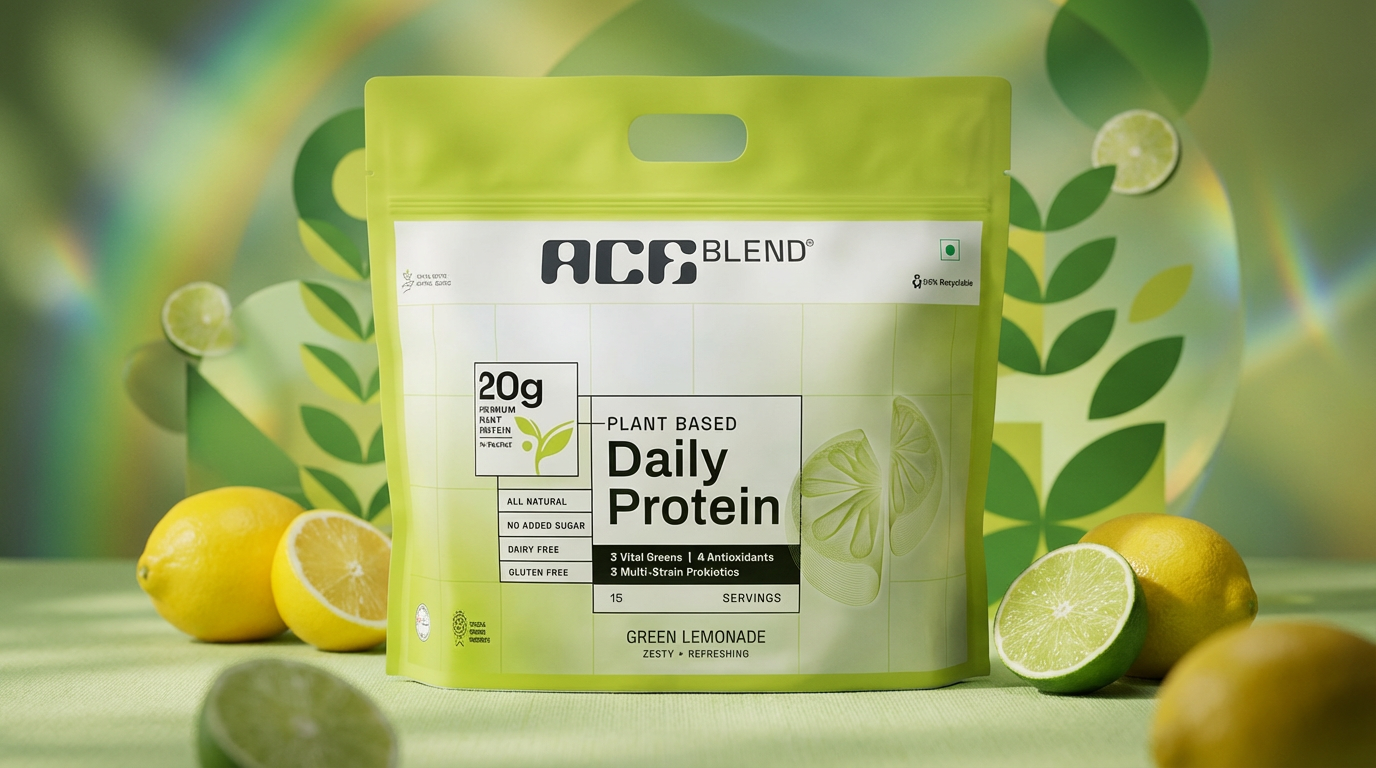

Get personalised recommendations with our assessment.
Personalised Health Diagnosis (PHD)
Your metabolism isn't just about burning calories—it's your body's entire energy management system. When functioning optimally, it transforms food into fuel efficiently, supports cellular repair, and maintains hormonal balance. The right nutrition approach can boost your metabolic rate by up to 30%, but most people follow outdated advice that actually slows their metabolism down. Here's how to harness science-backed strategies that work with your body's natural processes, not against them.
Metabolism encompasses every chemical reaction in your body that converts food into energy. It's not just about weight loss—it affects everything from brain function to immune response. Your metabolic rate determines how efficiently you burn calories, regulate blood sugar, and maintain energy levels throughout the day.
The connection between gut health and metabolism runs deeper than most realize. Your gut microbiome produces metabolites that directly influence insulin sensitivity, inflammation levels, and fat storage. When gut bacteria are imbalanced, metabolic dysfunction follows—leading to weight gain, fatigue, and cravings.
Common metabolism myths need debunking. Eating less doesn't always boost metabolism; it often slows it down through adaptive thermogenesis. Similarly, metabolism doesn't drastically slow with age—lifestyle factors like muscle loss and decreased activity are the real culprits. Signs of optimal metabolism include stable energy, easy weight maintenance, good sleep, and consistent body temperature.
The thermogenic effect of food (TEF) represents the energy cost of digesting, absorbing, and processing nutrients. This accounts for 8-10% of total daily energy expenditure in healthy individuals. Understanding TEF helps you choose foods that naturally increase calorie burn.
Protein has the highest TEF, increasing metabolic rate by 20-30% for several hours after eating. This means consuming adequate protein literally makes your body work harder to process it. Foods that speed up metabolism include lean meats, fish, eggs, and plant-based proteins that provide complete amino acid profiles.
Key metabolism boosting foods include:
Chili peppers (capsaicin increases calorie burn by 5%)
Green tea (catechins enhance fat oxidation)
Coffee (caffeine boosts metabolic rate by 3-11%)
Ginger (thermogenic compounds increase energy expenditure)
Coconut oil (medium-chain triglycerides require more energy to process)
Lean proteins (highest TEF of all macronutrients)
Whole grains (complex carbs increase metabolic work)
Legumes (high protein and fiber combination)
Berries (antioxidants support metabolic function)
Leafy greens (iron supports oxygen transport)
Nuts and seeds (healthy fats and protein)
Fatty fish (omega-3s reduce inflammation)
A successful metabolism diet plan requires systematic implementation rather than dramatic overnight changes. Your approach should be sustainable, science-based, and tailored to your individual needs and lifestyle constraints.
Calculate your baseline metabolic rate using the Mifflin-St Jeor equation, then add activity factors. Identify current metabolic blockers in your diet—processed foods, excessive sugar, trans fats, and inflammatory oils that slow metabolic function.
Focus on meal timing for optimal metabolic function. Eat protein within 30 minutes of waking to kickstart metabolism. Space meals 3-4 hours apart to maintain stable blood sugar. Include metabolism-boosting ingredients in every meal—whether it's adding cinnamon to oatmeal or including ginger in smoothies.
Fine-tune based on energy levels, sleep quality, and body composition changes. Metabolic flexibility—your body's ability to switch between fuel sources—improves with consistent nutrition timing and quality food choices.
Your gut microbiome directly influences metabolic health through the gut-brain axis and metabolite production. Foods for gut-metabolic balance support beneficial bacteria while providing nutrients that enhance metabolic function.
Probiotic foods like kefir, kimchi, and sauerkraut introduce beneficial bacteria that improve insulin sensitivity. Prebiotic fibers from garlic, onions, and Jerusalem artichokes feed these beneficial microbes. Anti-inflammatory foods like turmeric, fatty fish, and colorful vegetables reduce systemic inflammation that impairs metabolism.
Daily gut-metabolism combinations include:
Greek yogurt with berries and nuts
Fermented vegetables with lean protein
Bone broth with ginger and turmeric
Prebiotic fiber sources with probiotic foods
Omega-3 rich fish with anti-inflammatory spices
Implementing metabolism diet recipes doesn't require complicated cooking techniques. Focus on combining protein, healthy fats, and fiber-rich carbohydrates in every meal to maximize metabolic benefit.
Start your day with metabolism-boosting combinations. A protein smoothie with plant-based protein powder, spinach, berries, and ginger provides complete amino acids plus thermogenic compounds. Alternatively, scrambled eggs with sautéed vegetables and avocado delivers protein, healthy fats, and fiber.
Spicy lentil soup with turmeric and chili peppers combines plant protein with metabolism-boosting spices. Grilled salmon with roasted vegetables provides omega-3s and antioxidants. One-pot meals featuring lean protein, whole grains, and plenty of vegetables simplify preparation while maximizing nutrition.
Choose snacks that maintain stable blood sugar and provide sustained energy. Mixed nuts with a piece of fruit, Greek yogurt with cinnamon, or vegetable sticks with hummus all support metabolic function between meals.
Nutrition alone doesn't determine metabolic health. How to increase metabolism naturally involves addressing sleep, stress, hydration, and movement patterns that either support or sabotage your dietary efforts.
Sleep optimization is crucial—poor sleep disrupts hormones that regulate hunger and metabolism. Aim for 7-9 hours of quality sleep in a cool, dark room. Chronic stress elevates cortisol, which promotes fat storage and slows metabolism. Stress management through meditation, deep breathing, or regular movement helps maintain metabolic balance.
Proper hydration supports every metabolic process. Cold water may slightly increase calorie burn as your body works to warm it. Green tea and coffee provide additional metabolic benefits through their bioactive compounds. At Ace Blend, our functional drinks like Cordyceps coffee support natural energy without crashes, while our Curcumin Wonder Latte provides anti-inflammatory benefits that support metabolic health.
Protein-rich foods have the highest thermogenic effect, increasing metabolic rate by 20-30%. Spicy foods containing capsaicin, green tea with catechins, and coffee with caffeine also provide significant metabolic boosts. Combining these with adequate fiber and healthy fats maximizes the effect.
Initial energy improvements often occur within 1-2 weeks. Measurable changes in body composition typically appear after 4-6 weeks of consistent implementation. Full metabolic adaptation can take 8-12 weeks, depending on individual factors and adherence.
Yes, dietary strategies can increase metabolic rate by 15-30% through food choices, meal timing, and adequate protein intake. However, combining nutrition with movement provides synergistic benefits that maximize metabolic enhancement.
Gut bacteria produce metabolites that influence insulin sensitivity, inflammation, and fat storage. An imbalanced microbiome can slow metabolism and promote weight gain. Supporting gut health through probiotics, prebiotics, and anti-inflammatory foods optimizes metabolic function.
Aim for 0.8-1.2 grams per kilogram of body weight for sedentary individuals, or 1.2-2.0 grams for active people. Distributing protein throughout the day maximizes its thermogenic effect and supports muscle maintenance.
Following a metabolism diet successfully requires understanding that metabolism is more than calorie burning—it's your body's entire energy management system. Focus on protein at every meal, include thermogenic foods regularly, and support gut health through diverse, anti-inflammatory choices.
Consistency trumps perfection. Small, sustainable changes compound over time to create significant metabolic improvements. Remember that individual responses vary, so pay attention to your energy levels, sleep quality, and overall well-being as indicators of success rather than focusing solely on weight changes.


Someone sent you
Powered by ReferRush