


How to Eat Foods for Better Digestive Health Naturally

Get personalised recommendations with our assessment.
Personalised Health Diagnosis (PHD)
Your gut health determines far more than just how comfortable you feel after meals. The foods for better digestive health you choose daily shape your energy levels, immune function, and overall wellness. While the supplement industry pushes quick fixes, the real power lies in understanding how specific nutrients work with your digestive system. Smart food choices can transform sluggish digestion into a well-oiled machine that supports your body's peak performance.
Most people treat digestive discomfort as normal, popping antacids instead of addressing the root cause. But here's what the wellness industry won't tell you: your gut microbiome responds rapidly to dietary changes. Within days of eating the right digestive health foods, you can experience noticeable improvements in bloating, regularity, and energy levels.
Your digestive system operates like a sophisticated factory, breaking down food into nutrients your body can actually use. Every bite you take triggers a complex cascade of enzymes, acids, and beneficial bacteria working together. When you eat foods for gut health, you're essentially providing the right raw materials for this biological machinery to function optimally.
The gut microbiome—trillions of bacteria living in your intestines—plays a starring role in this process. These microscopic allies help break down fiber, produce essential vitamins, and maintain the intestinal barrier that keeps harmful substances out of your bloodstream.
Different foods require different digestive strategies. Simple carbohydrates get broken down quickly in your small intestine, while complex fibers travel to your colon where beneficial bacteria ferment them into short-chain fatty acids. Proteins need stomach acid and specific enzymes to break their bonds, while healthy fats require bile salts for proper absorption.
Your body sends clear signals when your digestive system struggles. Frequent bloating, irregular bowel movements, food sensitivities, and post-meal fatigue all indicate your gut needs better fuel. The gut-brain connection means digestive issues can also manifest as mood swings, brain fog, and sleep disruption.
The right foods that aid digestion work through multiple mechanisms—some provide beneficial bacteria, others offer the fiber these bacteria need to thrive, and some contain natural enzymes that help break down nutrients more efficiently. Building your diet around these powerhouse foods creates a foundation for lasting digestive wellness.
Rather than relying on isolated supplements, whole foods deliver nutrients in forms your body recognizes and can use most effectively.
Fermented foods deliver live beneficial bacteria directly to your digestive system. Greek yogurt with live cultures can reduce bloating and support the growth of helpful microorganisms. Kefir contains more diverse probiotic strains than yogurt, making it particularly effective for improving digestion naturally.
Fermented vegetables like kimchi and sauerkraut provide probiotics along with digestive enzymes that help break down other foods in your meal. Kombucha offers a refreshing way to consume probiotics, though choose varieties with minimal added sugars.
Soluble fiber from oats forms a gel-like substance that softens stool and promotes regular bowel movements. This type of fiber also feeds beneficial gut bacteria, creating a win-win for digestive health. Leafy greens like spinach and kale provide both fiber and magnesium, which helps digestive muscles contract properly.
Chia seeds absorb up to 10 times their weight in water, creating bulk that moves smoothly through your digestive tract. Whole grains like brown rice and quinoa offer sustained fiber that supports long-term gut health without causing sudden digestive upset.
Papaya contains papain, a natural enzyme that breaks down proteins and can prevent the bloating that often follows protein-rich meals. Fresh ginger has anti-inflammatory compounds that speed stomach emptying and reduce nausea.
Bananas provide pectin, a type of fiber that helps balance stomach acid and can soothe digestive discomfort. Avocados combine healthy monounsaturated fats with fiber, creating a food that supports smooth digestion while providing sustained energy.
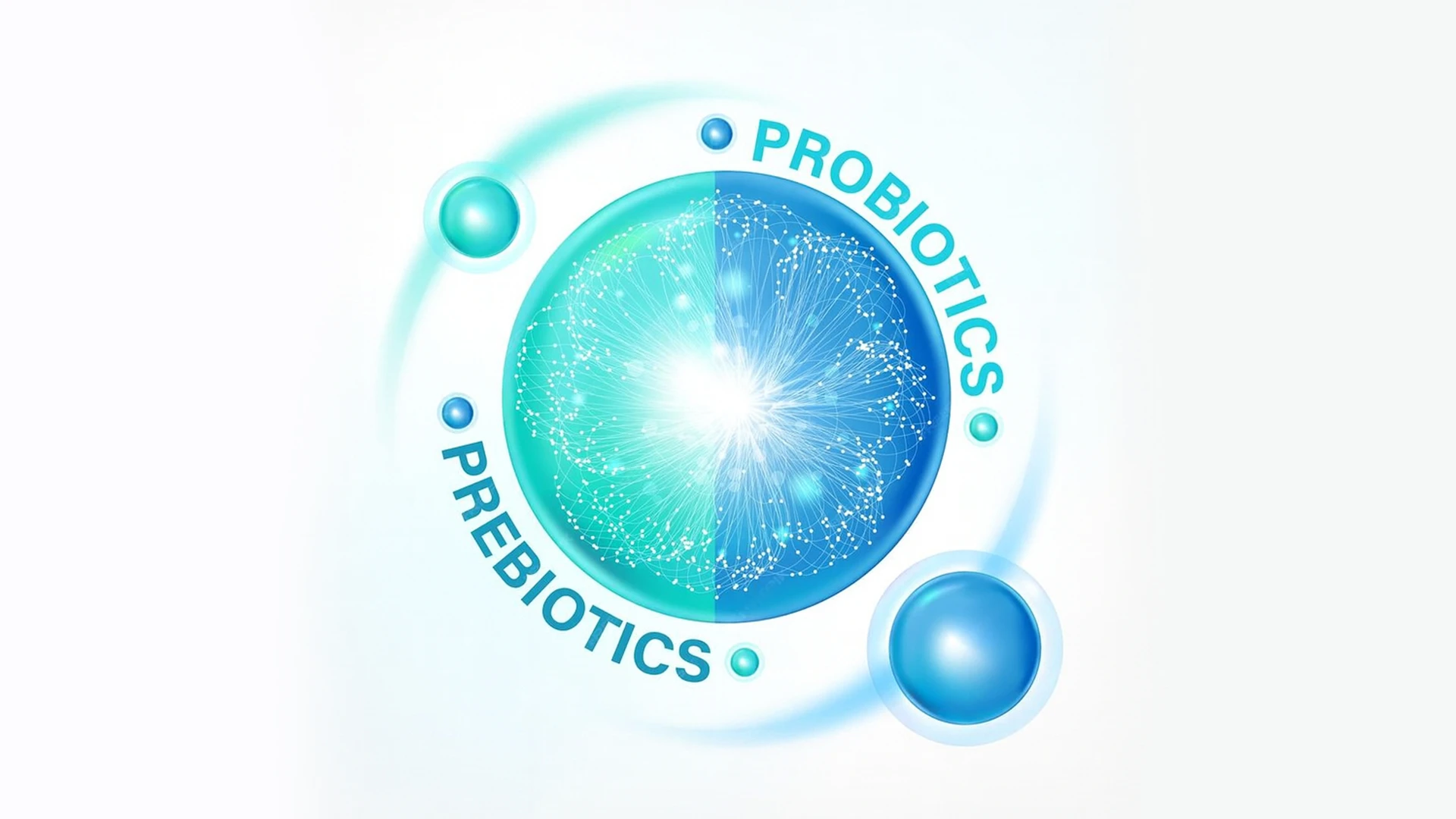
Creating a thriving gut ecosystem requires feeding the beneficial bacteria already living in your intestines. Foods to balance gut microbiome work as prebiotics—essentially fertilizer for your good gut bacteria. These foods help establish the diverse microbial community that supports optimal digestion and immune function.
The key lies in variety. Different beneficial bacteria prefer different types of prebiotic fibers, so rotating your choices ensures you're supporting a broad spectrum of helpful microorganisms.
Garlic and onions contain inulin, a prebiotic fiber that specifically feeds bifidobacteria—one of the most beneficial bacterial strains in your gut. Asparagus and artichokes provide similar prebiotic benefits while adding variety to your meals.
Beans and legumes offer both prebiotic fibers and plant-based protein, making them excellent foods for stomach health that support both digestive function and muscle maintenance.
Extra virgin olive oil contains compounds that protect the gut lining from inflammation and support the growth of beneficial bacteria. Raw almonds and other nuts provide healthy fats along with prebiotic fibers.
Low-fructose fruits like berries and kiwi offer antioxidants and fiber without the digestive stress that high-fructose fruits can cause in sensitive individuals.
Even the best healthy gut foods won't deliver optimal results without proper eating habits. How you eat matters just as much as what you eat. Timing, portion sizes, and food combinations all influence how efficiently your digestive system processes nutrients.
Small changes in eating patterns can dramatically improve digestive comfort and nutrient absorption without requiring major dietary overhauls.
Your digestive system works most efficiently when you eat at consistent times, allowing your body to prepare digestive enzymes in advance. Eating large meals late at night forces your digestive system to work when it should be resting, often leading to poor sleep and morning digestive discomfort.
Smaller, more frequent meals reduce the burden on your digestive system while maintaining steady energy levels throughout the day.
Certain food combinations support easier digestion. Eating fruits on an empty stomach allows them to pass quickly through your system without fermenting. Combining healthy fats with vegetables improves the absorption of fat-soluble vitamins.
Drinking large amounts of liquid with meals can dilute digestive enzymes, so it's better to hydrate between meals rather than during them.
Building a sustainable gut health diet requires practical meal planning that incorporates diverse digestive system support foods without overwhelming your schedule. The goal is creating eating patterns you can maintain long-term, not following restrictive rules that lead to eventual burnout.
Start by adding one or two gut-friendly foods to meals you already enjoy, then gradually expand your repertoire as these become habits.
A gut-friendly breakfast might include Greek yogurt topped with berries and chia seeds, providing probiotics, antioxidants, and fiber to start your day. For lunch, a large salad with leafy greens, avocado, and lean protein delivers both prebiotic fibers and healthy fats.
Dinner could feature a quinoa bowl with roasted vegetables and fresh ginger, combining complete protein with anti-inflammatory compounds. Snacks like a small handful of almonds or a piece of fruit with nut butter maintain steady blood sugar while supporting digestive health.
Meal prep becomes easier when you batch-cook gut-friendly staples like quinoa, roasted vegetables, and fermented foods. Rotating different probiotic and prebiotic foods throughout the week ensures you're supporting diverse beneficial bacteria.
Building sustainable patterns means planning for real life—having backup options for busy days and knowing which gut-friendly foods travel well.
Understanding which foods undermine digestive health helps you make informed choices without falling into restrictive thinking. Ultra-processed foods often contain additives that disrupt gut bacteria balance, while excessive sugar feeds harmful bacteria at the expense of beneficial strains.
The goal isn't perfection—it's awareness. Knowing how different foods affect your digestion allows you to make choices that align with how you want to feel.
Foods with long ingredient lists often contain emulsifiers, artificial sweeteners, and preservatives that can alter gut bacteria composition. These additives may contribute to increased intestinal permeability and inflammation.
Highly refined foods also lack the fiber and nutrients that support healthy digestion, essentially providing empty calories that don't nourish your gut microbiome.
High-sugar foods can cause rapid bacterial overgrowth and digestive discomfort. Choose naturally sweet options like dates or berries instead of processed sweets. Replace inflammatory vegetable oils with extra virgin olive oil or avocado oil for better digestive support.
Swap refined grains for whole grain alternatives that provide fiber and nutrients your digestive system needs to function optimally.
No single food provides complete digestive support. Oats offer excellent soluble fiber for regularity, while yogurt provides beneficial probiotics. The most effective approach combines multiple foods for better digestive health rather than relying on one option. Focus on variety to support different aspects of digestive function.
The top gut-boosting foods include Greek yogurt for probiotics, oats for soluble fiber, fresh ginger for digestive enzymes, leafy greens for magnesium and fiber, bananas for pectin, chia seeds for gel-forming fiber, and kimchi for fermented probiotics. These foods work through different mechanisms to support comprehensive digestive wellness.
Common indicators include frequent bloating, irregular bowel movements, food sensitivities, fatigue after meals, skin issues, mood changes, and persistent digestive discomfort. These symptoms often improve significantly with better food choices and eating habits within a few weeks.
Poor digestion typically results from processed food consumption, inadequate fiber intake, chronic stress, irregular eating patterns, insufficient hydration, and lack of probiotic foods. Environmental factors like antibiotic use can also disrupt gut bacteria balance.
Warm ginger tea, peppermint tea, or plain warm water can aid post-meal digestion. These options support digestive processes without diluting stomach acid. Avoid large amounts of cold liquids immediately after eating, as they may slow digestive enzyme activity.
Focus on fiber-rich whole foods, stay adequately hydrated, include probiotic foods daily, maintain regular meal times, limit processed foods, and incorporate digestive spices like ginger and turmeric. Consistent habits matter more than perfect nutrition.
Transforming your digestive health doesn't require expensive supplements or extreme dietary restrictions. The most powerful tools are whole foods that work with your body's natural digestive processes. Start by incorporating one or two foods for better digestive health into your current meals, then gradually expand your options as these become habits.
Remember that digestive wellness is a journey, not a destination. Small, consistent changes in your food choices and eating habits can lead to significant improvements in how you feel daily. Your gut microbiome responds quickly to positive changes, often showing improvements within days of better nutrition choices.


Someone sent you
Powered by ReferRush