


How to Choose Gut Friendly Foods for Better Digestion

Get personalised recommendations with our assessment.
Personalised Health Diagnosis (PHD)
Your gut is home to trillions of bacteria that influence everything from your mood to your immune system. Yet most people choose foods based on taste alone, ignoring how these choices impact their digestive health. Poor food selections can lead to bloating, irregular bowel movements, and that uncomfortable feeling after meals. The good news? Learning how to choose gut friendly foods isn't rocket science—it's about understanding what your microbiome needs to thrive and making strategic choices that support optimal digestion.
Your digestive system is far more complex than a simple food processing plant. It's an intricate ecosystem where beneficial bacteria work around the clock to break down nutrients, produce vitamins, and protect against harmful pathogens. When you understand this foundation, choosing the right foods becomes intuitive rather than guesswork.
Your gut microbiome contains over 1,000 different species of bacteria, each playing specific roles in your health. These microscopic allies help digest fiber, synthesize essential vitamins like B12 and K, and even communicate with your brain through the gut-brain axis. The diversity of your microbiome directly correlates with better digestive health and overall wellness.
Persistent bloating, gas, irregular bowel movements, or that sluggish feeling after meals are your gut's way of sending distress signals. Brain fog, mood swings, and frequent infections can also indicate an imbalanced microbiome. These symptoms often point to poor food choices that starve beneficial bacteria while feeding harmful ones.
Not all foods are created equal when it comes to digestive health. Research consistently shows that certain categories of foods actively support gut function while others can disrupt the delicate balance of your microbiome. Understanding these categories helps you make informed choices that promote long-term digestive wellness.
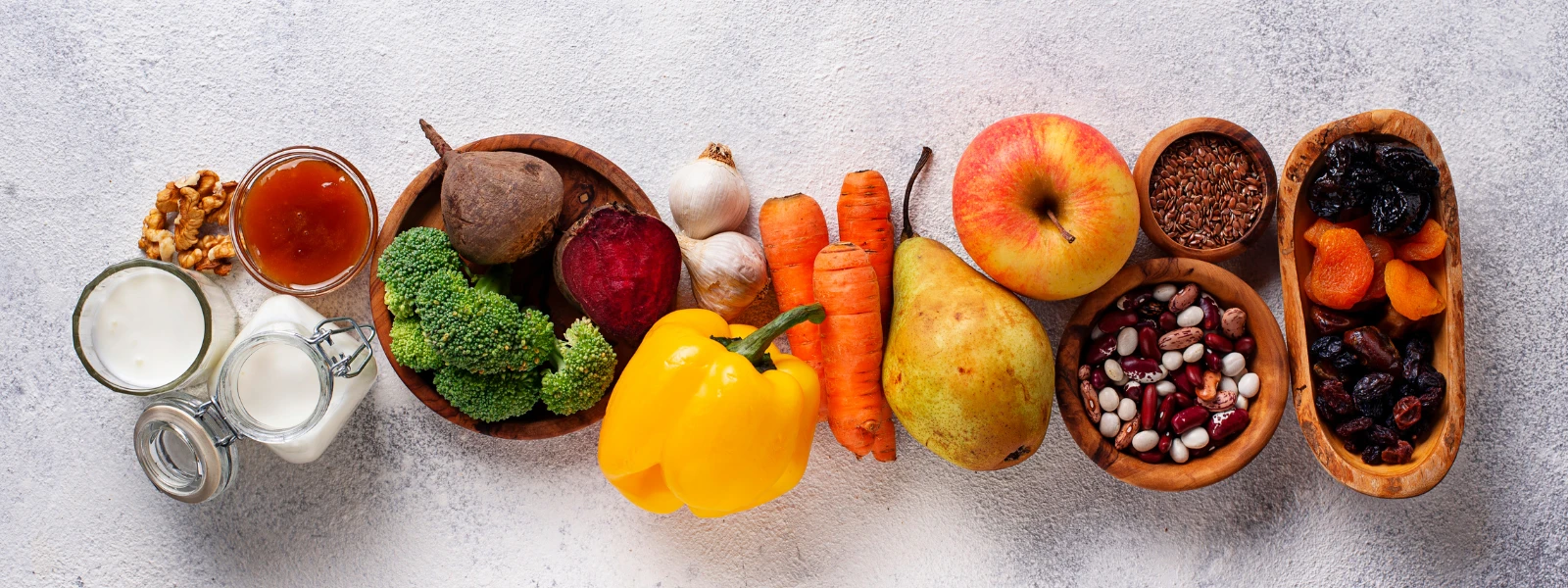
Fiber acts as fuel for your beneficial gut bacteria, helping them multiply and thrive. The best foods for gut health include whole grains like quinoa and oats, fruits such as apples and berries, vegetables like broccoli and Brussels sprouts, and legumes including lentils and chickpeas. Aim for 25-35 grams of fiber daily, but increase gradually to avoid digestive discomfort.
Fermented foods for gut health introduce live beneficial bacteria directly into your digestive system. Yogurt with live cultures, kefir, kimchi, sauerkraut, and kombucha are powerhouse options that can significantly improve microbiome diversity. Choose unpasteurized versions when possible, as heat treatment kills the beneficial bacteria you're seeking.
Prebiotics are non-digestible fibers that serve as food for your existing beneficial bacteria. Garlic, onions, asparagus, bananas, and Jerusalem artichokes are excellent prebiotic sources. These foods that support digestion work synergistically with probiotics to create an optimal gut environment.
If you experience frequent digestive discomfort, your food choices need to be more strategic. Sensitive stomachs require gentle, easily digestible options that won't trigger inflammation or excessive gas production. The key is identifying foods that nourish without overwhelming your digestive system.
Low FODMAP diet foods can provide relief for those with irritable bowel syndrome or sensitive digestion. Safe options include rice, quinoa, carrots, spinach, strawberries, and lactose-free dairy products. FODMAPs are fermentable carbohydrates that can cause gas and bloating in sensitive individuals, so limiting them temporarily can help identify triggers.
When your stomach is particularly sensitive, choose easily digestible proteins like fish and chicken, simple carbohydrates such as white rice and bananas, and healthy fats from sources like avocado. Foods for sensitive stomach should be cooked thoroughly and served at moderate temperatures to reduce digestive stress.
Just as important as knowing what to eat is understanding what to avoid. Certain foods consistently disrupt gut health by feeding harmful bacteria, causing inflammation, or irritating the digestive lining. Identifying and limiting these foods can dramatically improve your digestive comfort and overall health.
Foods to avoid for bloating include highly processed foods loaded with artificial additives, excessive sugar that feeds harmful bacteria, and artificial sweeteners like sorbitol and mannitol. Fried foods, excessive alcohol, and foods high in saturated fats can also trigger digestive issues and promote inflammation throughout the gut.
Food preservatives, emulsifiers, and artificial colors can disrupt your gut barrier function and microbiome balance. Even seemingly healthy foods can be problematic if you have specific sensitivities. Learning to read ingredient labels and choosing whole, minimally processed foods helps you avoid these hidden disruptors.
Building a sustainable gut health diet requires a personalized approach that considers your individual needs, preferences, and sensitivities. The goal isn't perfection—it's creating consistent habits that support your digestive health over the long term. Start with small changes and gradually build a comprehensive approach to gut-friendly eating.
Digestive friendly meal ideas can include overnight oats with berries and yogurt for breakfast, a quinoa bowl with roasted vegetables and grilled chicken for lunch, and baked salmon with steamed broccoli for dinner. Snack on nuts, seeds, or a small portion of fermented vegetables to keep your gut bacteria well-fed throughout the day.
Improving gut microbiome requires consistency and variety. Rotate different fermented foods throughout the week, include a rainbow of fruits and vegetables to ensure diverse fiber sources, and stay adequately hydrated to support optimal digestion. Timing your meals regularly also helps establish healthy digestive rhythms.
A successful gut health diet plan starts with a foundation of whole foods and gradually incorporates specific gut-supporting elements. Begin by adding one fermented food daily, increasing fiber intake slowly, and eliminating obvious trigger foods. Track your symptoms and energy levels to identify what works best for your unique digestive system.
Begin with easily tolerated options like plain yogurt with live cultures, cooked vegetables such as carrots and zucchini, and simple whole grains like rice. These foods provide benefits without overwhelming sensitive digestive systems.
Most people notice initial improvements within 2-4 weeks of dietary changes. However, significant microbiome shifts can take 3-6 months. Consistency is key—small daily changes compound over time.
Absolutely. Focus on fermented foods you can tolerate, fiber sources that don't trigger reactions, and work with a healthcare provider to ensure nutritional adequacy while avoiding allergens.
Food sources provide additional nutrients and fiber that supplements lack. However, high-quality probiotic supplements can complement a gut-friendly diet, especially during times of stress or after antibiotic use.
Choosing gut friendly foods isn't about following restrictive rules—it's about understanding how different foods impact your unique digestive system. Start by incorporating more fiber-rich whole foods, experiment with fermented options, and pay attention to how your body responds. Remember that improving gut health is a gradual process that requires patience and consistency. Small, sustainable changes in your food choices can lead to significant improvements in digestion, energy levels, and overall wellness. Trust your body's signals and adjust your approach as needed to create a personalized eating pattern that supports optimal gut health for life.


Someone sent you
Powered by ReferRush