


How to Boost Your Gut Health on a Vegetarian Diet

Get personalised recommendations with our assessment.
Personalised Health Diagnosis (PHD)
Your gut is home to trillions of microorganisms that directly impact your energy, mood, and overall health. Recent research reveals that vegetarian diets create 25% more diverse gut microbiomes compared to omnivorous eating patterns. Yet many plant-based eaters still struggle with digestive issues despite making "healthy" food choices. The truth is, understanding gut health for vegetarians requires more than just cutting out meat—it demands a strategic approach to feeding your beneficial bacteria while avoiding common pitfalls that can derail your digestive wellness.
The good news? When done right, a vegetarian diet can become your most powerful tool for building an optimized, resilient gut ecosystem that supports peak health for years to come.
Your vegetarian gut microbiome operates differently than an omnivore's digestive system. Plant-based eaters typically harbor higher levels of beneficial bacteria like Bifidobacterium and Lactobacillus, which thrive on the complex carbohydrates found in vegetables, fruits, and whole grains. This shift creates a more alkaline gut environment that supports anti-inflammatory processes throughout your body.
Studies from 2024 show that plant-based diet gut bacteria produce significantly more short-chain fatty acids (SCFAs) than omnivorous microbiomes. These SCFAs—particularly butyrate, acetate, and propionate—serve as fuel for your intestinal cells and help maintain a strong gut barrier that prevents harmful substances from entering your bloodstream.
The vegetarian gut microbiome contains approximately 40% more fiber-fermenting bacteria compared to meat-eating counterparts. This bacterial diversity translates into enhanced nutrient absorption, improved immune function, and better regulation of inflammation markers throughout your body.
Recent clinical trials demonstrate that gut health benefits vegetarian diets provide include reduced risk of inflammatory bowel disease, improved insulin sensitivity, and enhanced production of neurotransmitters like serotonin that regulate mood and sleep patterns.
Building a thriving gut ecosystem requires strategic food choices that feed beneficial bacteria while supporting optimal digestive health vegetarian-style. The key lies in understanding which plant foods provide the greatest microbiome benefits and how to combine them for maximum impact.
Your fiber intake vegetarian gut optimization should target 35-40 grams daily from diverse sources. This approach ensures you're feeding different bacterial strains while maintaining consistent digestive function.
Legumes and beans provide both soluble and insoluble fiber along with resistant starch that feeds beneficial bacteria. Lentils, chickpeas, and black beans contain prebiotic compounds that specifically nourish Bifidobacterium strains linked to improved immune function.
Ancient grains like quinoa, amaranth, and teff offer unique fiber profiles that support diverse bacterial communities. These gut-friendly vegetarian foods also provide complete amino acid profiles that support intestinal repair and regeneration.
Probiotics for vegetarians come from diverse plant-based sources that deliver live beneficial bacteria directly to your digestive system. Kimchi, sauerkraut, and tempeh provide strain-specific benefits that complement your plant-focused eating pattern.
Non-dairy kefir made from coconut or water kefir grains offers billions of beneficial bacteria without the inflammatory potential of conventional dairy products. These fermented options support both immediate digestive comfort and long-term microbiome diversity.
Understanding prebiotics vegetarian diet optimization means recognizing that your beneficial bacteria need specific types of fiber to thrive. These non-digestible compounds pass through your small intestine unchanged and serve as food for the beneficial microorganisms in your colon.
A vegetarian diet for gut flora should include 15-20 grams of prebiotic fiber daily from varied sources. This targeted approach ensures you're supporting different bacterial strains while maintaining optimal digestive function.
Jerusalem artichokes contain the highest concentration of inulin, a prebiotic fiber that specifically feeds Bifidobacterium strains. Just one cup provides nearly 20 grams of prebiotic compounds that support immune function and mineral absorption.
Garlic and onions provide fructooligosaccharides (FOS) that nourish beneficial bacteria while offering antimicrobial compounds that help maintain healthy bacterial balance. Raw preparations provide the highest prebiotic content.
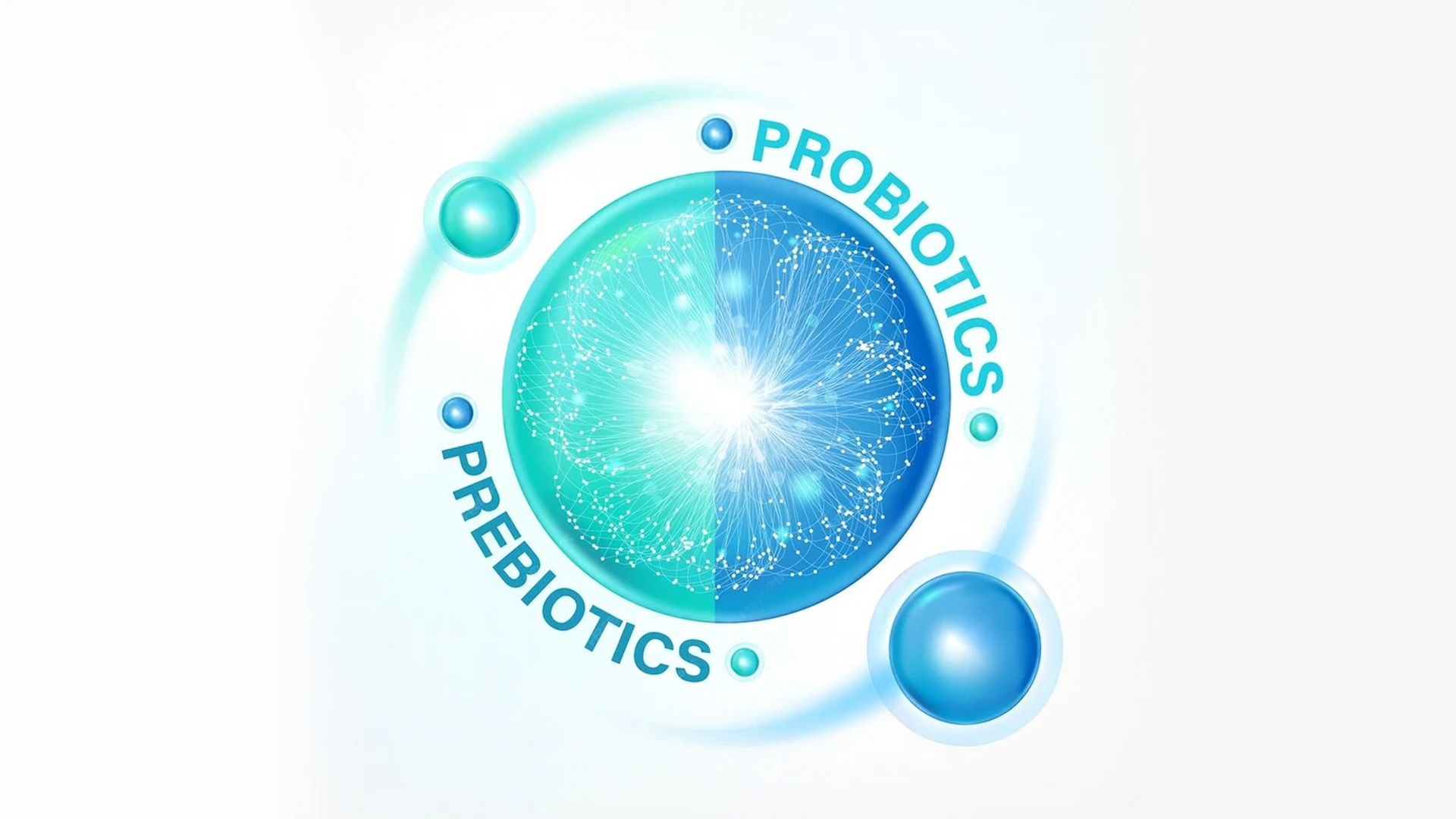
Combining prebiotic and probiotic foods creates synbiotic effects that amplify gut health benefits. Pairing fermented vegetables with prebiotic-rich foods like oats or bananas maximizes beneficial bacterial growth and colonization.
Successful vegetarian gut health tips focus on gradual implementation rather than dramatic dietary overhauls. Your digestive system needs time to adapt to increased fiber intake and new bacterial populations, making patience essential for long-term success.
Start by increasing your fiber intake by 5 grams weekly until you reach optimal levels. This approach prevents the gas and bloating that often discourage people from maintaining gut-healthy eating patterns.
Gas and bloating from increased fiber intake can be minimized through proper food combining and timing. Eating smaller, more frequent meals allows your digestive system to process fiber more efficiently while reducing uncomfortable symptoms.
Soaking beans and grains before cooking breaks down complex sugars that can cause digestive distress. This simple preparation step significantly improves tolerance while maintaining nutritional benefits.
Adequate hydration becomes crucial when increasing fiber intake, as insufficient water can lead to constipation and digestive discomfort. Aim for half your body weight in ounces of water daily, with additional intake during high-fiber meals.
Timing your largest fiber-rich meals earlier in the day allows for better digestion and prevents nighttime digestive disturbances that can impact sleep quality and recovery.
Beyond basic dietary changes, advanced vegetarian gut health strategies address individual variations in digestive capacity and bacterial composition. Understanding your unique microbiome needs allows for personalized approaches that deliver superior results.
Consider incorporating targeted supplements like our Turkey Tail functional coffee, which provides specific compounds that support gut barrier function and beneficial bacterial growth. This approach complements dietary strategies while addressing potential nutritional gaps.
Signs of dysbiosis in vegetarians include persistent bloating despite adequate fiber intake, frequent food sensitivities, and irregular bowel movements. These symptoms often indicate bacterial imbalances that require targeted intervention beyond basic dietary changes.
Regular exercise supports gut motility and beneficial bacterial diversity through mechanisms that extend beyond dietary influences. Moderate aerobic activity increases SCFA production while reducing inflammatory markers throughout your digestive system.
Stress management directly impacts gut health through the gut-brain axis, making relaxation techniques essential components of any comprehensive digestive wellness strategy.
Most people notice initial improvements within 2-3 weeks of implementing gut-focused vegetarian eating patterns. Significant microbiome changes typically occur within 6-8 weeks, while complete optimization can take 3-6 months depending on your starting point and consistency with dietary changes.
Absolutely. Plant-based fermented foods like kimchi, sauerkraut, tempeh, and non-dairy kefir provide diverse probiotic strains without the inflammatory potential of conventional dairy. Many vegetarians actually achieve better bacterial diversity through plant-based probiotic sources.
Common indicators include persistent bloating despite healthy food choices, frequent gas after meals, irregular bowel movements, food sensitivities, low energy levels, and mood fluctuations. These symptoms often improve rapidly with targeted gut health strategies.
Aim for 35-40 grams of fiber daily from diverse sources, including both soluble and insoluble types. Increase intake gradually by 5 grams weekly to prevent digestive discomfort while allowing your microbiome to adapt effectively.
While a well-planned vegetarian diet provides excellent gut health support, targeted supplements can address specific needs. Consider probiotics during antibiotic use, digestive enzymes if you experience persistent bloating, or specialized fibers if your diet lacks variety.
Understanding gut health for vegetarians requires a strategic approach that goes beyond simply avoiding meat. Your plant-based diet provides unique advantages for building a diverse, resilient microbiome when you focus on fiber variety, fermented foods, and gradual implementation of changes.
Remember that optimal digestive health develops over time through consistent choices rather than perfect adherence to rigid rules. Start with small changes, listen to your body's responses, and adjust your approach based on how you feel. Your gut microbiome is remarkably adaptable—give it the right fuel, and it will reward you with enhanced energy, improved mood, and robust long-term health.


Someone sent you
Powered by ReferRush