


How to Achieve Digestive Balance: A Comprehensive Guide

Get personalised recommendations with our assessment.
Personalised Health Diagnosis (PHD)
Your gut is more than just a digestive organ—it's the command center for your overall health. When your digestive system is in harmony, everything from your energy levels to your immune function operates at peak performance. But when things go awry, the ripple effects can impact every aspect of your well-being. The good news? Achieving digestive balance isn't about following restrictive diets or popping endless supplements. It's about understanding your body's intricate ecosystem and giving it what it needs to thrive. Let's dive into the science-backed strategies that can transform your gut health and, ultimately, your life.
Digestive balance is the sweet spot where your gut microbiome, digestive enzymes, and intestinal lining work together seamlessly. Think of it as a well-orchestrated symphony where every player knows their part. When this digestive system harmony is achieved, you experience smooth digestion, regular bowel movements, minimal bloating, and sustained energy throughout the day.
True digestive balance goes beyond just avoiding stomach aches. It's when your gut produces the right amount of digestive juices, maintains optimal pH levels, and houses a diverse community of beneficial bacteria. Your intestinal lining remains intact, preventing unwanted substances from entering your bloodstream while allowing essential nutrients to pass through efficiently.
Your gut houses trillions of microorganisms that collectively weigh about three pounds—roughly the same as your brain. These microscopic residents don't just help break down food; they produce vitamins, regulate hormones, and communicate directly with your brain through the gut-brain axis. When your microbiome is balanced, these beneficial bacteria keep harmful pathogens in check and support optimal digestive function.
A balanced digestive system reveals itself through consistent energy levels, regular bowel movements without straining, minimal gas or bloating after meals, and stable mood patterns. You'll also notice better sleep quality, clearer skin, and fewer food cravings—all indicators that your gut is functioning optimally.
Your gut microbiome is like a bustling metropolis where different bacterial communities have distinct neighborhoods and functions. Understanding this complex ecosystem is crucial for maintaining intestinal flora balance and supporting long-term digestive health.
Beneficial bacteria produce short-chain fatty acids that fuel your intestinal cells and reduce inflammation. They also synthesize essential vitamins like B12 and vitamin K, while training your immune system to distinguish between friend and foe. This bacterial communication network extends far beyond your gut, influencing everything from your mood to your metabolism.
A healthy gut maintains roughly 85% beneficial bacteria and 15% potentially harmful bacteria. When this ratio shifts, harmful bacteria can proliferate, leading to digestive issues, inflammation, and compromised immune function. Balancing gut bacteria requires consistent effort and the right environmental conditions within your digestive tract.
Chronic stress floods your system with cortisol, which can alter gut bacteria composition and increase intestinal permeability. Processed foods, artificial sweeteners, and excessive sugar feed harmful bacteria while starving beneficial ones. Antibiotics, while sometimes necessary, can wipe out both good and bad bacteria indiscriminately, requiring careful restoration efforts afterward.
Building a robust digestive system doesn't require extreme measures—it's about consistent, science-backed practices that support your gut's natural processes. These digestive health tips focus on creating an environment where beneficial bacteria can thrive while optimizing your body's digestive capabilities.
Soluble fiber acts as fuel for beneficial bacteria, helping them multiply and produce health-promoting compounds. Focus on diverse fiber sources like artichokes, garlic, onions, and asparagus. Insoluble fiber from vegetables and whole grains adds bulk to stool and promotes regular bowel movements, preventing harmful bacteria from lingering too long in your system.
Proper hydration keeps your digestive juices flowing and helps fiber do its job effectively. Aim for half your body weight in ounces of water daily, but avoid drinking large amounts with meals as this can dilute digestive enzymes. Room temperature water is gentler on your system than ice-cold beverages, which can slow digestion.
Your digestive system operates on a natural rhythm, with enzyme production peaking at certain times. Eating your largest meal when digestion is strongest—typically midday—optimizes nutrient absorption. Smaller, more frequent meals prevent overwhelming your digestive capacity while maintaining steady blood sugar levels.
Ultra-processed foods containing artificial additives can disrupt your gut lining and feed harmful bacteria. Excessive refined sugar creates an environment where pathogenic bacteria thrive. Trans fats and heavily fried foods are particularly challenging for your digestive system to process and can trigger inflammatory responses.
Your diet is the most powerful tool for promoting gut health and maintaining digestive balance. By strategically choosing foods that nourish beneficial bacteria while avoiding those that promote harmful growth, you can create an optimal internal environment for digestive wellness.
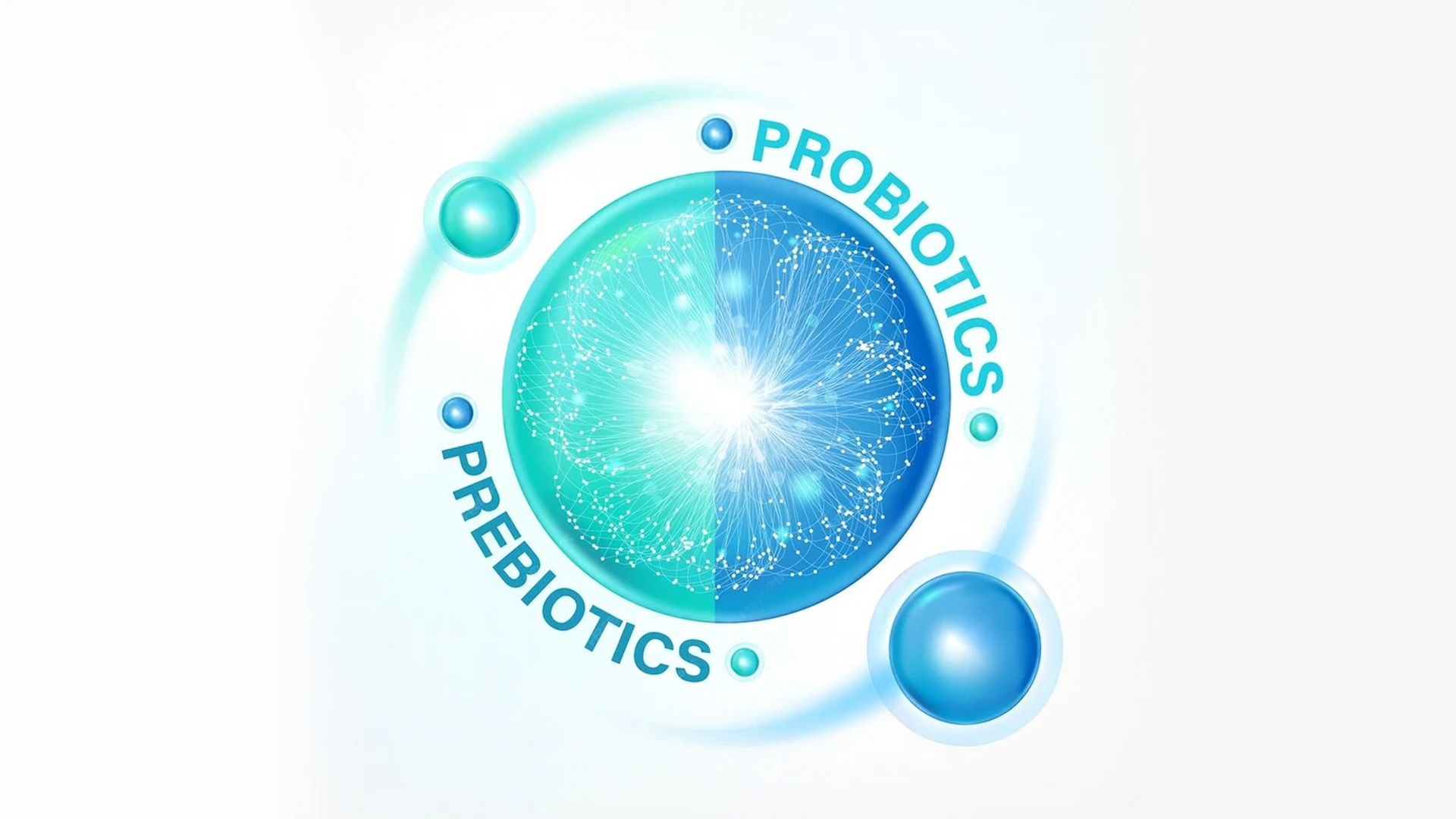
Prebiotics are specialized fibers that beneficial bacteria consume to produce health-promoting compounds. Jerusalem artichokes, chicory root, and green bananas are particularly rich in these bacterial superfoods. Regular consumption of prebiotic foods helps maintain a diverse and resilient microbiome that can withstand occasional dietary indiscretions.
Fermented foods like kimchi, sauerkraut, and kefir introduce live beneficial bacteria directly into your digestive system. These foods also contain postbiotics—beneficial compounds produced during fermentation that support gut health even if the bacteria don't survive the journey to your colon. Incorporating a variety of fermented foods ensures exposure to diverse bacterial strains.
Chronic inflammation can damage your gut lining and disrupt bacterial balance. Omega-3 rich foods like fatty fish, walnuts, and flaxseeds help reduce inflammation throughout your digestive tract. Colorful vegetables and fruits provide antioxidants that protect your gut lining from oxidative stress and support healing.
A successful gut health meal plan includes diverse plant foods, adequate protein for gut lining repair, and healthy fats for nutrient absorption. Plan meals around whole foods while minimizing processed options. Include something fermented daily and ensure each meal contains both soluble and insoluble fiber sources.
While diet plays a crucial role in digestive health, lifestyle factors can make or break your gut balance efforts. These healthy digestion strategies address the non-dietary elements that significantly impact your digestive function and overall gut health.
Chronic stress triggers the release of stress hormones that can slow digestion, increase gut permeability, and alter bacterial composition. Regular meditation, deep breathing exercises, or yoga can activate your parasympathetic nervous system—the "rest and digest" mode that optimizes digestive function. Even five minutes of mindful breathing before meals can improve digestion.
Regular movement stimulates gut motility, helping food move through your digestive tract at an optimal pace. Exercise also increases bacterial diversity and promotes the growth of beneficial bacteria that produce anti-inflammatory compounds. Moderate activity like walking after meals can significantly improve digestion and reduce bloating.
Your gut microbiome follows a circadian rhythm, with bacterial activity and composition changing throughout the day. Poor sleep disrupts this natural cycle, leading to imbalanced bacteria and compromised digestive function. Prioritizing 7-9 hours of quality sleep helps maintain your gut's natural rhythm and supports optimal digestive health.
Eating in a relaxed state while paying attention to your food enhances digestion and nutrient absorption. Chewing thoroughly breaks down food mechanically and triggers the release of digestive enzymes. Avoiding distractions during meals allows your body to focus energy on digestion rather than dividing attention between multiple tasks.
When digestive imbalances occur, natural restoration methods can help reset your gut ecosystem without harsh interventions. These gentle yet effective approaches support your body's innate healing mechanisms while promoting long-term digestive wellness practices.
Intermittent fasting gives your digestive system time to rest and repair while promoting beneficial bacterial growth. Bone broth provides amino acids that support gut lining integrity and reduce inflammation. Herbal teas like ginger, peppermint, and chamomile can soothe digestive irritation and promote healthy gut function.
Specific nutrients play crucial roles in maintaining digestive balance. Our Turkey Tail functional coffee provides targeted gut health support through beneficial mushroom compounds that nourish your microbiome. Additionally, our FenuLean Fibre Flex offers clinically proven soluble and insoluble fiber that aids digestion while supporting healthy weight management—a perfect example of how targeted nutrition can optimize gut function.
Long-term digestive health requires consistent daily practices rather than quick fixes. Start with small changes like adding one fermented food daily or taking a short walk after meals. Gradually incorporate more gut-supporting practices as they become natural habits. Remember, sustainable change happens slowly but creates lasting results.
Most people notice improvements in digestive symptoms within 2-4 weeks of implementing consistent gut-supporting practices. However, complete microbiome restoration can take 3-6 months, depending on your starting point and adherence to healthy habits. Patience and consistency are key to achieving lasting digestive balance.
Absolutely. Your gut and brain are connected through the vagus nerve, and stress hormones directly impact digestive function. Chronic stress can slow digestion, increase gut permeability, and alter bacterial composition. Managing stress is just as important as diet for optimal digestive health.
Start slowly with small amounts—just a tablespoon of sauerkraut or a few sips of kefir daily. Gradually increase portions as your digestive system adapts. Some people experience temporary bloating when first introducing fermented foods, which typically resolves within a week as beneficial bacteria establish themselves.
Food sources of probiotics are generally more effective because they come with prebiotics and other beneficial compounds that support bacterial survival and growth. However, high-quality probiotic supplements can be helpful during times of stress, illness, or after antibiotic use when additional support is needed.
Achieving digestive balance is a journey, not a destination. It requires understanding your unique gut ecosystem and providing consistent support through diet, lifestyle, and stress management. Remember that small, sustainable changes create more lasting results than dramatic overhauls. Your gut is remarkably resilient and responsive—with the right approach, you can restore and maintain optimal digestive health for life. Focus on progress, not perfection, and trust in your body's incredible ability to heal and thrive when given the proper support.


Someone sent you
Powered by ReferRush