


Green Moong Dal: Your Complete Protein Guide

Get personalised recommendations with our assessment.
Personalised Health Diagnosis (PHD)
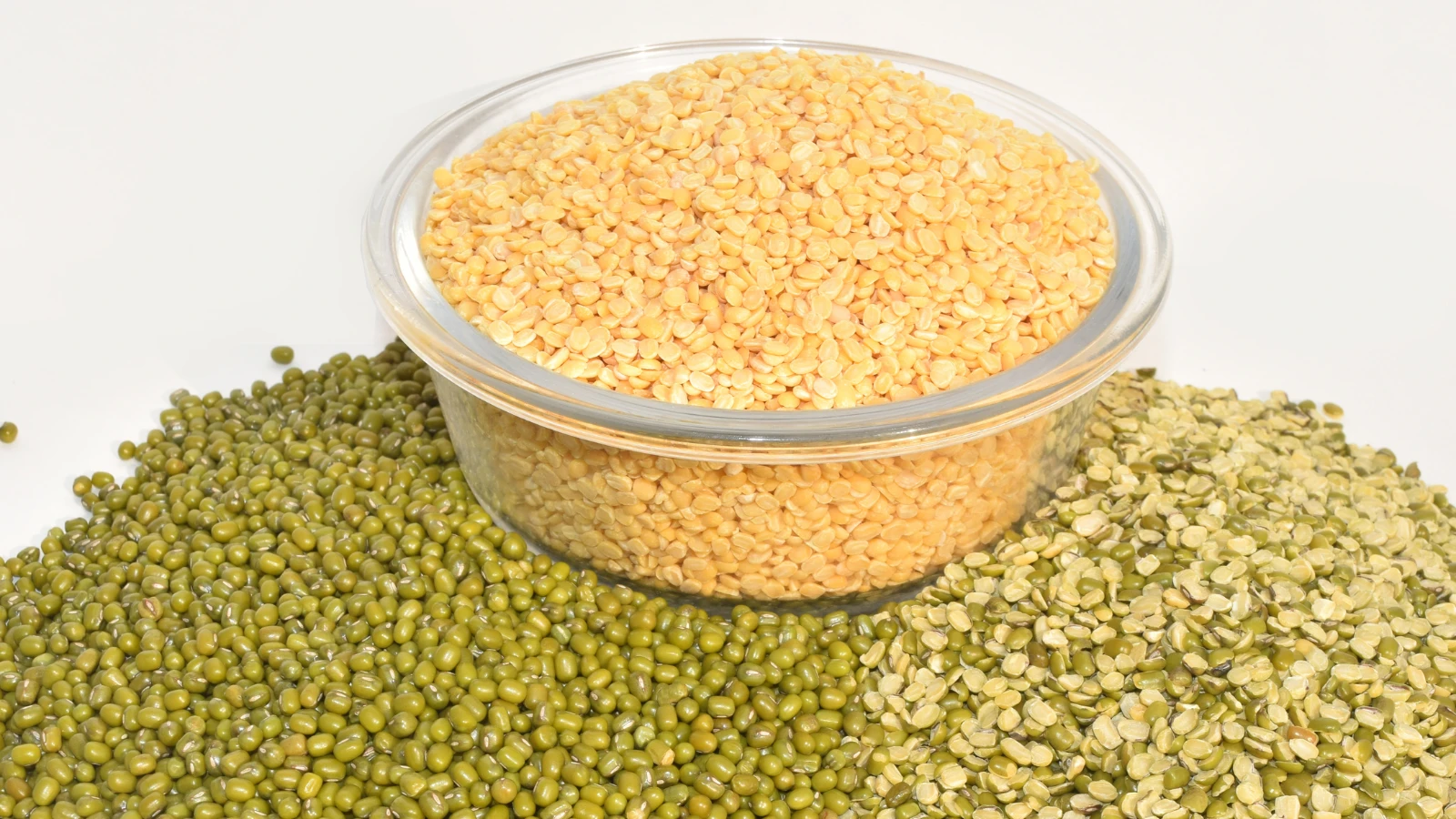
Green moong dal stands as one of nature's most underrated protein powerhouses. While most people know it as a simple legume, this humble green bean packs an impressive 24-25 grams of protein per 100 grams in its raw form. That's more protein than many so-called superfoods combined. Yet here's the kicker—despite being a complete protein source with all nine essential amino acids, green moong dal remains criminally overlooked in modern nutrition conversations. Time to change that narrative.
Let's cut through the confusion and get straight to the numbers. The protein in green moong dal varies significantly depending on how you prepare it, and understanding these differences matters for your daily nutrition planning. Raw green moong dal delivers approximately 24-25 grams of protein per 100 grams. However, once cooked, this drops to about 7-8 grams per 100 grams due to water absorption and volume expansion. Don't let this fool you into thinking you're losing protein—you're simply diluting the concentration.
Sprouting green moong dal actually increases its protein bioavailability. Fresh sprouts contain around 4-5 grams of protein per 100 grams, but the digestibility shoots up dramatically. The sprouting process breaks down complex proteins into simpler amino acids, making them easier for your body to absorb and utilize.
When you cook moong dal, you're not destroying protein—you're transforming it. The heat denatures protein structures, making them more digestible. A cup of cooked moong dal (approximately 200 grams) provides roughly 14-16 grams of high-quality protein, which is substantial for any meal.
The green moong dal nutrition story extends far beyond its impressive protein content. This legume delivers a comprehensive nutritional package that puts many expensive supplements to shame. Per 100 grams of raw green moong dal, you get approximately 347 calories, with protein making up about 28% of the total caloric content. The remaining calories come from complex carbohydrates (59%) and minimal fat (1.2%). This macronutrient distribution makes it perfect for sustained energy without blood sugar spikes.
Green moong dal contains significant amounts of B-complex vitamins, particularly folate (625 mcg per 100g), which is crucial for DNA synthesis and red blood cell formation. It also provides vitamin B1 (thiamine), B2 (riboflavin), B3 (niacin), and vitamin K.
The mineral profile includes iron (6.7mg), magnesium (189mg), phosphorus (367mg), and potassium (1246mg) per 100 grams. These minerals support everything from oxygen transport to bone health and muscle function.
Here's where green moong dal breaks the mold of typical legumes. Unlike most plant proteins that lack one or more essential amino acids, moong dal protein content includes all nine essential amino acids your body cannot produce on its own. The amino acid profile includes lysine (often missing in grains), methionine (typically low in legumes), and leucine (crucial for muscle protein synthesis). This complete amino acid profile makes green moong dal comparable to animal proteins in terms of biological value.
What sets green moong dal apart from other high protein vegetarian sources is its exceptional digestibility. The protein digestibility score ranges between 0.7-0.8, which is impressive for a plant source. This means your body can actually use 70-80% of the protein you consume.
Unlike some legumes that cause digestive distress, green moong dal is naturally easier on your gut. It contains lower levels of oligosaccharides (the compounds responsible for gas and bloating), making it one of the most digestible protein sources available.
The benefits of moong dal extend well beyond protein provision. Research consistently shows this legume supports multiple aspects of health through various bioactive compounds. Studies indicate that regular consumption of green moong dal can help regulate blood sugar levels due to its low glycemic index and high fibre content. The soluble fibre slows glucose absorption, preventing those energy crashes that plague many high-carb meals.
For those exploring moong dal for weight loss, the science is encouraging. The high protein and fibre content promotes satiety, helping you feel full longer. Research shows that protein-rich legumes can increase thermogenesis—the calories your body burns during digestion.
In ayurvedic diet moong dal traditions, this legume is considered "sattvic"—promoting clarity and balance. Modern research validates this ancient wisdom, showing that moong dal supports gut microbiome diversity, which directly impacts mood and cognitive function.
Maximizing the protein benefits from green moong dal requires smart preparation techniques. The method you choose can significantly impact both protein availability and overall nutritional value. Sprouting remains the gold standard for protein optimization. Soak whole green moong dal for 8-12 hours, then drain and leave in a damp cloth for 24-48 hours until sprouts appear. This process increases protein digestibility by up to 30%.
Classic moong dal recipes like simple dal tadka preserve most of the protein while adding flavor. Cook with minimal water to maintain protein concentration, and add spices like turmeric and cumin that enhance nutrient absorption.
Green moong dal flour can be incorporated into pancakes, bread, and even smoothies. This versatility makes it easy to boost the protein content of various meals without dramatically changing flavors or textures.
When comparing protein rich Indian food options, green moong dal consistently ranks among the top choices for both quantity and quality. Against other dals, it typically contains 20-25% more protein than red lentils and about 15% more than chickpeas. Compared to animal proteins, green moong dal offers 80-85% of the protein quality at a fraction of the environmental cost. While chicken breast provides about 31 grams of protein per 100 grams, the complete amino acid profile of moong dal makes it a viable alternative for plant-based diets.
Per gram of protein, green moong dal costs significantly less than most animal proteins. In Indian markets, you can get approximately 240-250 grams of protein from 1 kilogram of raw moong dal, making it one of the most economical protein sources available.
Answer: For most adults, 50-75 grams of raw green moong dal (which cooks to about 150-200 grams) provides 12-18 grams of high-quality protein. This represents roughly 25-35% of daily protein needs for an average adult.
Answer: While green moong dal is a complete protein, nutritional diversity remains important. Combine it with other protein sources like nuts, seeds, and vegetables to ensure you're getting a full spectrum of nutrients beyond just amino acids.
Answer: Absolutely. The high folate content (625 mcg per 100g raw) makes it particularly beneficial during pregnancy. Folate supports fetal neural tube development and helps prevent birth defects. However, always consult your healthcare provider about dietary changes during pregnancy.
Answer: Sprouting doesn't significantly change the total protein amount but dramatically improves protein digestibility and bioavailability. The sprouting process breaks down complex proteins into simpler amino acids that your body can absorb more efficiently.
Answer: Green moong dal is actually one of the most digestible legumes. However, if you're new to eating legumes, start with smaller portions (25-30 grams raw) and gradually increase. Proper soaking and cooking also minimize any potential digestive discomfort.
Answer: Post-workout consumption (within 2 hours) maximizes muscle protein synthesis benefits. However, green moong dal can be consumed at any time. Its sustained energy release makes it excellent for breakfast or lunch.
Green moong dal deserves recognition as a legitimate protein powerhouse in modern nutrition. With 24-25 grams of complete protein per 100 grams raw, exceptional digestibility, and a comprehensive nutrient profile, it challenges the notion that plant proteins are somehow inferior. The versatility of preparation methods—from traditional dals to modern protein applications—makes it accessible for any dietary preference. Whether you're managing weight, building muscle, or simply seeking sustainable nutrition, green moong dal delivers without compromise. Most importantly, this humble legume proves that optimal nutrition doesn't require expensive supplements or exotic superfoods. Sometimes the most powerful solutions have been sitting in our kitchens all along, waiting for us to recognize their true potential.


Someone sent you
Powered by ReferRush