


Fenugreek for Type 2 Diabetes: Your Questions Answered

Get personalised recommendations with our assessment.
Personalised Health Diagnosis (PHD)
If you have Type 2 diabetes, you have probably heard someone mention fenugreek — at a family dinner, in a wellness group, or buried in a late-night search tab. And the curiosity makes sense. Fenugreek for Type 2 diabetes is one of the most searched natural approaches to blood sugar control, and the science behind it is more interesting than most people expect. This ancient seed, long used in Ayurvedic and Middle Eastern medicine, is now drawing attention from researchers studying insulin sensitivity, gut health, and metabolic function. Before you reach for a supplement or start soaking seeds overnight, here is a clear, evidence-informed breakdown of what fenugreek actually does — and what it does not.
Fenugreek (Trigonella foenum-graecum) is a legume-family plant whose seeds have been used medicinally for thousands of years across South Asia, North Africa, and the Middle East. In the context of modern metabolic health, it has earned renewed scientific interest — not as a cure, but as a functional food with measurable physiological effects. What makes it relevant to diabetes management is not folklore alone, but a specific cluster of bioactive compounds that interact with how the body processes glucose.
The seed's therapeutic potential comes from several compounds working together. Galactomannan fiber slows the rate at which glucose enters the bloodstream. The amino acid 4-hydroxyisoleucine appears to stimulate insulin secretion directly. Saponins contribute anti-inflammatory effects that support broader metabolic health — and the whole seed matrix matters more than any single isolated extract.
The most well-documented effect of fenugreek on blood sugar control is its ability to blunt post-meal glucose spikes. The soluble fiber in fenugreek seeds forms a viscous gel in the digestive tract, slowing the absorption of carbohydrates and reducing the speed at which glucose enters the bloodstream. Several small clinical trials have shown reductions in both fasting blood glucose and HbA1c levels with consistent fenugreek use.
Beyond slowing glucose absorption, fenugreek may also improve how the body responds to insulin. The amino acid 4-hydroxyisoleucine has shown potential to stimulate insulin secretion from pancreatic beta cells in a glucose-dependent manner — meaning it acts when blood sugar is elevated, not indiscriminately. This makes it a particularly relevant compound for Type 2 diabetes, where insulin resistance is the central problem.
The research on fenugreek for Type 2 diabetes is promising but not yet definitive. Human trials have generally used seed powder in doses ranging from 5 to 25 grams per day, often consumed with meals. Several studies have reported statistically significant reductions in fasting blood glucose and improvements in HbA1c over 8 to 12 weeks. Lipid profiles — particularly LDL cholesterol and triglycerides — have also shown improvement in some trials.
That said, most studies are small, short-term, and conducted in specific populations. The evidence is strong enough to take seriously, but not strong enough to replace prescribed diabetes management protocols. Fenugreek works best as a complementary strategy, not a standalone treatment.
One of the less-discussed fenugreek benefits is its impact on the gut microbiome. The galactomannan fiber in fenugreek seeds acts as a prebiotic — feeding beneficial bacteria in the colon and supporting a healthier microbial environment. This matters for diabetes management because gut health and diabetes outcomes are more tightly linked than most people realise.
When gut bacteria ferment prebiotic fibers like galactomannan, they produce short-chain fatty acids (SCFAs) such as butyrate. SCFAs have been shown to improve insulin sensitivity and reduce systemic inflammation — two factors central to Type 2 diabetes progression. Supporting gut health through dietary fiber is therefore not a side benefit of fenugreek; it is a core mechanism worth paying attention to.
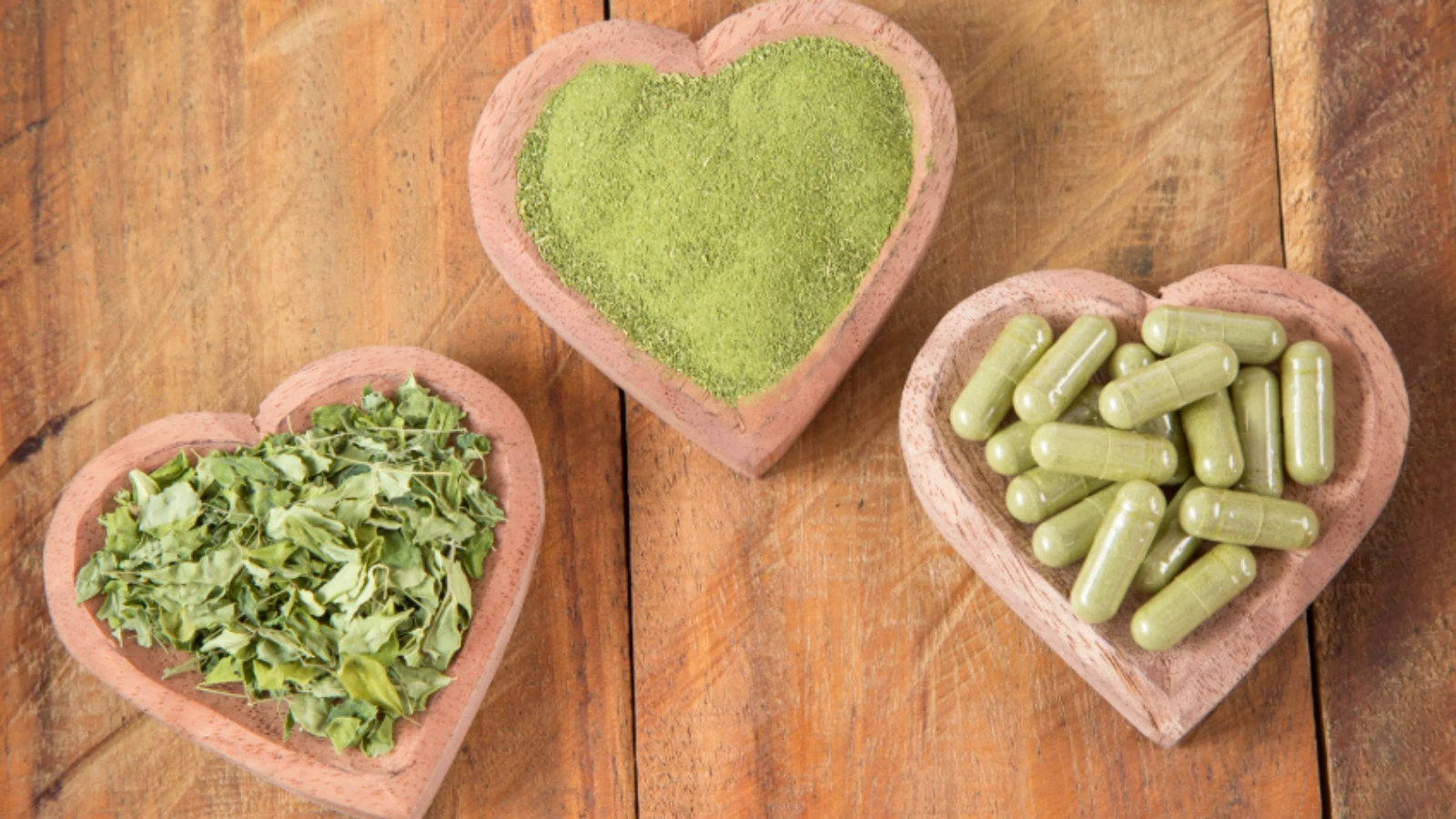
Fenugreek can be used in several practical forms, and the method you choose affects both convenience and efficacy. Whole seeds soaked overnight and consumed in the morning on an empty stomach is a traditional approach still supported by some clinical evidence. Ground seed powder mixed into water, yogurt, or smoothies is another common method. Standardized capsule supplements offer a more controlled dosage, particularly useful for those who find the bitter taste of raw seeds difficult to manage.
For dietary use, pairing fenugreek with carbohydrate-heavy meals makes the most physiological sense — the fiber works by slowing digestion in real time. Starting with 5 grams of seed powder per day and gradually increasing allows the digestive system to adjust. Consistency over weeks, rather than large occasional doses, is what drives measurable outcomes in blood sugar control.
Fenugreek is generally well-tolerated, but it is not without potential side effects. Gastrointestinal discomfort — including bloating, gas, and loose stools — is the most commonly reported issue, particularly at higher doses. People with legume allergies should exercise caution, as fenugreek belongs to the same botanical family as chickpeas and peanuts.
The more clinically significant concern is the risk of hypoglycemia when fenugreek is used alongside blood sugar-lowering medications. Because fenugreek has a genuine glucose-lowering effect, combining it with metformin or insulin without medical supervision can push blood sugar too low. Always loop in a healthcare provider before adding fenugreek to an existing diabetes management regimen.
Fenugreek is most relevant for people with Type 2 diabetes who are already managing their condition through diet and lifestyle and are looking for evidence-informed complementary support. It is also worth considering for individuals with prediabetes who want to take a proactive approach to blood sugar regulation before pharmaceutical intervention becomes necessary.
It is less appropriate as a primary strategy for those with poorly controlled diabetes, those on complex medication regimens without medical oversight, or pregnant women — given fenugreek's historical use as a uterine stimulant. The key word throughout is complementary: fenugreek supports a broader strategy, it does not replace one.
At Ace Blend, our approach to fenugreek is grounded in the same evidence that informs this article. We do not use fenugreek as a label claim — we use it because the galactomannan fiber content and 4-hydroxyisoleucine profile are measurable, standardizable, and clinically relevant to the gut-metabolic outcomes our formulations are designed to support.
Our formulations pair fenugreek with complementary ingredients that address the gut-metabolic axis from multiple angles — supporting microbial diversity, reducing postprandial glucose spikes, and improving the conditions under which insulin sensitivity can improve over time. Transparency in dosage and sourcing is non-negotiable in how we build our products.
Most clinical studies have used between 5 and 25 grams of fenugreek seed powder per day, typically split across meals. Starting at the lower end — around 5 grams — allows the body to adjust and reduces the likelihood of digestive discomfort. Dosage should always be discussed with a healthcare provider, especially if you are on blood sugar-lowering medications.
No. Fenugreek is a complementary dietary strategy, not a pharmaceutical replacement. It can support blood sugar control as part of a broader diabetes management plan, but it does not have the potency or reliability to substitute for prescribed medications. Stopping or reducing medication without medical guidance is not advisable.
Some effects — particularly the blunting of post-meal glucose spikes — can occur within a single meal when fenugreek is consumed beforehand. Longer-term improvements in fasting blood glucose and HbA1c typically require consistent use over 8 to 12 weeks, based on available clinical data.
Fenugreek and metformin can potentially be used together, but the combination requires medical supervision. Both have glucose-lowering effects, and using them together without monitoring increases the risk of hypoglycemia. Always inform your doctor or pharmacist before combining herbal supplements for diabetes with prescribed medications.
Soaking whole seeds overnight and consuming them in the morning, or using ground seed powder mixed into food or water before meals, are the most commonly studied methods. Consuming fenugreek with or just before carbohydrate-containing meals maximizes its glucose-blunting effect through fiber-mediated slowing of digestion.
Evidence suggests fenugreek may improve insulin sensitivity through multiple pathways — including the action of 4-hydroxyisoleucine on pancreatic beta cells and the production of short-chain fatty acids from gut fermentation of galactomannan fiber. These effects are relevant to insulin resistance, though the research is still developing and results vary across individuals.
Fenugreek for Type 2 diabetes is not a trend built on wishful thinking — it is a traditional remedy with a growing body of clinical evidence behind it. Its ability to slow glucose absorption, support insulin sensitivity, and feed a healthier gut microbiome makes it a genuinely useful tool in a metabolic health strategy. The key is context: fenugreek works best as part of a structured approach to diabetes management that includes diet, physical activity, and appropriate medical care.
The research supports cautious optimism. Start with realistic expectations, use consistent and appropriate doses, monitor your blood sugar response, and keep your healthcare provider informed. Fenugreek is not magic — but used thoughtfully, it earns its place in the conversation around natural, evidence-informed support for Type 2 diabetes.


Someone sent you
Powered by ReferRush