


Fatty Liver Grade 1 Diet Checklist: Foods to Eat

Get personalised recommendations with our assessment.
Personalised Health Diagnosis (PHD)
Grade 1 fatty liver, the mildest form of non-alcoholic fatty liver disease (NAFLD), affects millions worldwide and can be effectively managed through proper dietary choices. While this early stage of liver fat accumulation may seem concerning, the good news is that it's highly reversible with the right nutritional approach. A well-structured diet for fatty liver grade 1 focuses on reducing inflammation, supporting liver detoxification, and preventing further fat buildup in liver cells. This comprehensive checklist will guide you through the essential foods to include in your daily meals, helping you create a sustainable liver health diet that promotes healing and prevents progression to more severe stages of liver disease.
Grade 1 fatty liver represents the earliest stage of hepatic steatosis, where 5-33% of liver cells contain excess fat deposits. At this stage, the liver maintains most of its normal function, making it the optimal time to implement dietary interventions. The primary goal of a fatty liver diet is to reduce hepatic fat content while supporting the liver's natural detoxification processes.
Research shows that dietary modifications can reduce liver fat by up to 30% within 12 weeks when properly implemented. The most effective approach combines nutrient-dense whole foods with strategic elimination of inflammatory ingredients that burden liver function.
The liver processes everything we consume, converting excess calories into fat when energy intake exceeds expenditure. A diet to reduce liver fat works by optimizing insulin sensitivity and reducing the metabolic burden on hepatic cells.
Successful fatty liver treatment diet protocols emphasize anti-inflammatory foods, adequate protein intake, and controlled carbohydrate consumption. These principles form the foundation of any effective liver restoration program.
Building an effective NAFLD diet requires careful selection of foods that actively support liver function while providing complete nutrition. The following categories represent the cornerstone foods that should dominate your daily meal planning.
These foods work synergistically to reduce inflammation, support detoxification pathways, and provide the nutrients necessary for liver cell regeneration and optimal metabolic function.
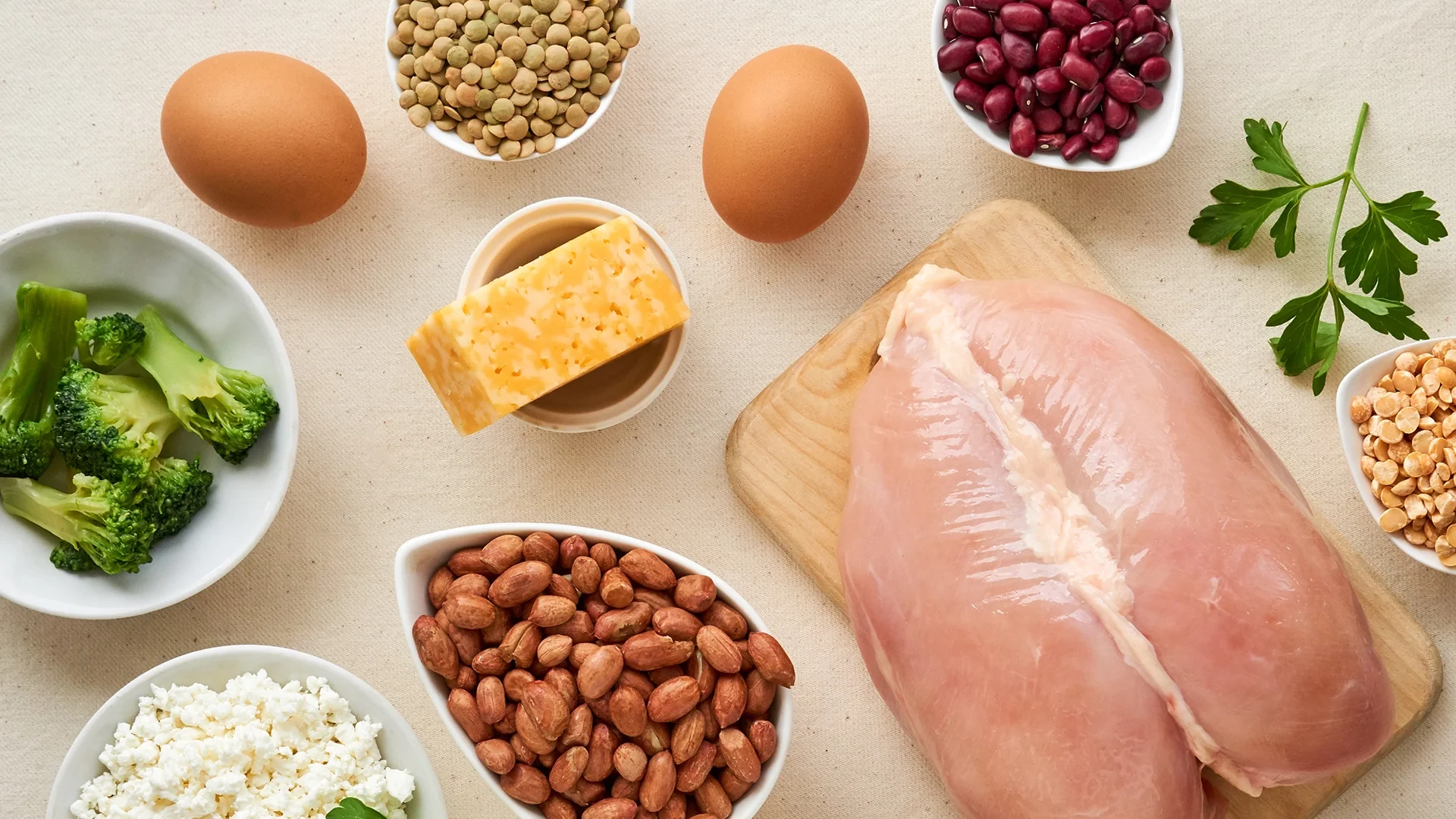
High-quality protein supports liver repair and helps maintain stable blood sugar levels, crucial for reducing hepatic fat storage.
Wild-caught fish (salmon, sardines, mackerel)
Organic poultry (chicken breast, turkey)
Plant-based proteins (lentils, chickpeas, quinoa)
Grass-fed lean meats (in moderation)
Eggs from pasture-raised chickens
Vegetables provide essential phytonutrients that support Phase I and Phase II liver detoxification while reducing oxidative stress.
Cruciferous vegetables (broccoli, cauliflower, Brussels sprouts)
Leafy greens (spinach, kale, arugula)
Colorful bell peppers and carrots
Beets and artichokes for liver support
Garlic and onions for sulfur compounds
The right fats reduce inflammation and support fat-soluble vitamin absorption while avoiding the inflammatory oils that worsen liver function.
Extra virgin olive oil (cold-pressed)
Avocados and avocado oil
Raw nuts and seeds (almonds, walnuts, chia seeds)
Coconut oil (in moderation)
Omega-3 rich fish oils
Certain foods possess unique compounds that specifically enhance liver detoxification pathways and accelerate the healing process in Grade 1 fatty liver. These foods for fatty liver should be incorporated into your daily routine for maximum therapeutic benefit.
Research demonstrates that these superfoods can significantly improve liver enzyme levels and reduce hepatic inflammation when consumed consistently as part of a comprehensive liver detox diet.
Green tea contains catechins and EGCG that directly support liver function and fat metabolism. Aim for 2-3 cups daily between meals.
Curcumin in turmeric provides powerful anti-inflammatory effects that help reduce liver inflammation and support healing processes.
These fruits provide vitamin C and flavonoids that support glutathione production, the liver's master antioxidant for detoxification.
Success with any best diet for fatty liver requires strict elimination of foods that promote liver inflammation and fat accumulation. These dietary villains can quickly undo the progress made by healthy food choices.
Understanding which foods to avoid is equally important as knowing what to include, as even small amounts of certain ingredients can significantly impact liver healing progress.
High fructose corn syrup and added sugars directly contribute to liver fat synthesis and should be completely eliminated from your diet.
Hydrogenated oils and highly processed vegetable oils create inflammation that impairs liver function and healing.
Even moderate alcohol consumption can worsen fatty liver, while sugary drinks provide empty calories that convert directly to liver fat.
Implementing a successful healthy liver diet plan requires practical meal planning that makes healthy choices convenient and sustainable. This structured approach ensures you consistently consume liver-supporting nutrients while avoiding problematic foods.
The following framework provides a realistic template that can be adapted to your preferences while maintaining the core principles of effective fatty liver nutrition.
Start each day with protein-rich meals that stabilize blood sugar and provide sustained energy without burdening liver function.
Focus on combining lean proteins with abundant vegetables and moderate amounts of healthy fats for optimal liver support.
Choose nutrient-dense snacks that support liver function rather than processed options that contribute to inflammation and fat storage.
Foods that actively support liver fat reduction include leafy greens, fatty fish rich in omega-3s, green tea, turmeric, and cruciferous vegetables like broccoli. These foods contain compounds that enhance liver detoxification and reduce inflammation.
Grade 1 fatty liver is the mildest form of NAFLD and is generally not serious when addressed promptly with dietary changes. It's highly reversible with proper nutrition and lifestyle modifications, making early intervention crucial for preventing progression.
While significant improvement takes longer, you can start reducing liver fat in 14 days by eliminating processed foods, sugar, and alcohol while focusing on lean proteins, vegetables, and anti-inflammatory foods. Combine this with daily exercise and adequate hydration.
Avoid fruits high in fructose like dried fruits, fruit juices, and excessive amounts of tropical fruits. Instead, choose berries, apples, and citrus fruits in moderate portions as part of a balanced liver-healthy diet.
Successfully managing Grade 1 fatty liver through diet requires a comprehensive approach that emphasizes whole foods, eliminates inflammatory ingredients, and supports natural liver detoxification processes. The foods outlined in this checklist provide a practical framework for creating meals that actively promote liver healing while preventing disease progression.
Remember that consistency is key to achieving lasting results with your fatty liver diet. Start by implementing these dietary changes gradually, focusing on one category of foods at a time to build sustainable habits. With dedication to these nutritional principles, Grade 1 fatty liver can be effectively reversed, restoring optimal liver function and overall health. At Ace Blend, we understand that proper nutrition forms the foundation of liver health, and our commitment is to provide you with the knowledge and tools necessary for successful dietary transformation.


Someone sent you
Powered by ReferRush