


Exercise for Digestion: All You Need to Know

Get personalised recommendations with our assessment.
Personalised Health Diagnosis (PHD)
Your gut is smarter than you think. It has its own nervous system with more neurons than your spinal cord. Yet most of us treat our digestive system like a garbage disposal, expecting it to handle whatever we throw at it without proper support. Here's the truth: exercise for digestion isn't just helpful—it's essential. Your digestive tract craves movement to function optimally. From reducing bloating to boosting metabolism, the right physical activity can transform how your body processes food. Let's explore how strategic movement becomes your gut's best friend.
Your digestive system operates through a complex dance of muscular contractions called peristalsis. Think of it as waves pushing food through your intestinal tract. When you move your body, you're essentially massaging your internal organs and stimulating these natural contractions. Research shows that physical activity increases gastric motility by up to 30%. This means food moves through your system more efficiently, reducing the time harmful bacteria have to ferment undigested particles. Exercise also boosts blood flow to digestive organs, delivering essential nutrients and oxygen they need to function properly.
Your gut microbiome thrives on diversity, and exercise helps maintain this balance. Studies reveal that people who exercise regularly have more beneficial bacteria strains compared to sedentary individuals. This improved bacterial balance directly impacts everything from nutrient absorption to immune function.
Chronic stress wreaks havoc on your digestive system by triggering the fight-or-flight response. This diverts blood away from digestive organs toward muscles. Regular exercise acts as a natural stress reliever, helping your nervous system shift back to rest-and-digest mode where optimal digestion occurs.
Not all movement creates equal digestive benefits. Certain digestion exercises specifically target gut function while others provide broader metabolic support. Here's what actually works based on scientific evidence.
A simple 10-15 minute walk after meals can improve digestion by up to 30%. Walking stimulates the vagus nerve, which controls digestive function. It also helps food move through your stomach more efficiently, reducing that heavy, sluggish feeling after eating. The sweet spot is moderate intensity—about 3-4 mph. Too vigorous, and you'll redirect blood away from digestion. Too slow, and you won't get the optimal stimulation your digestive organs need.
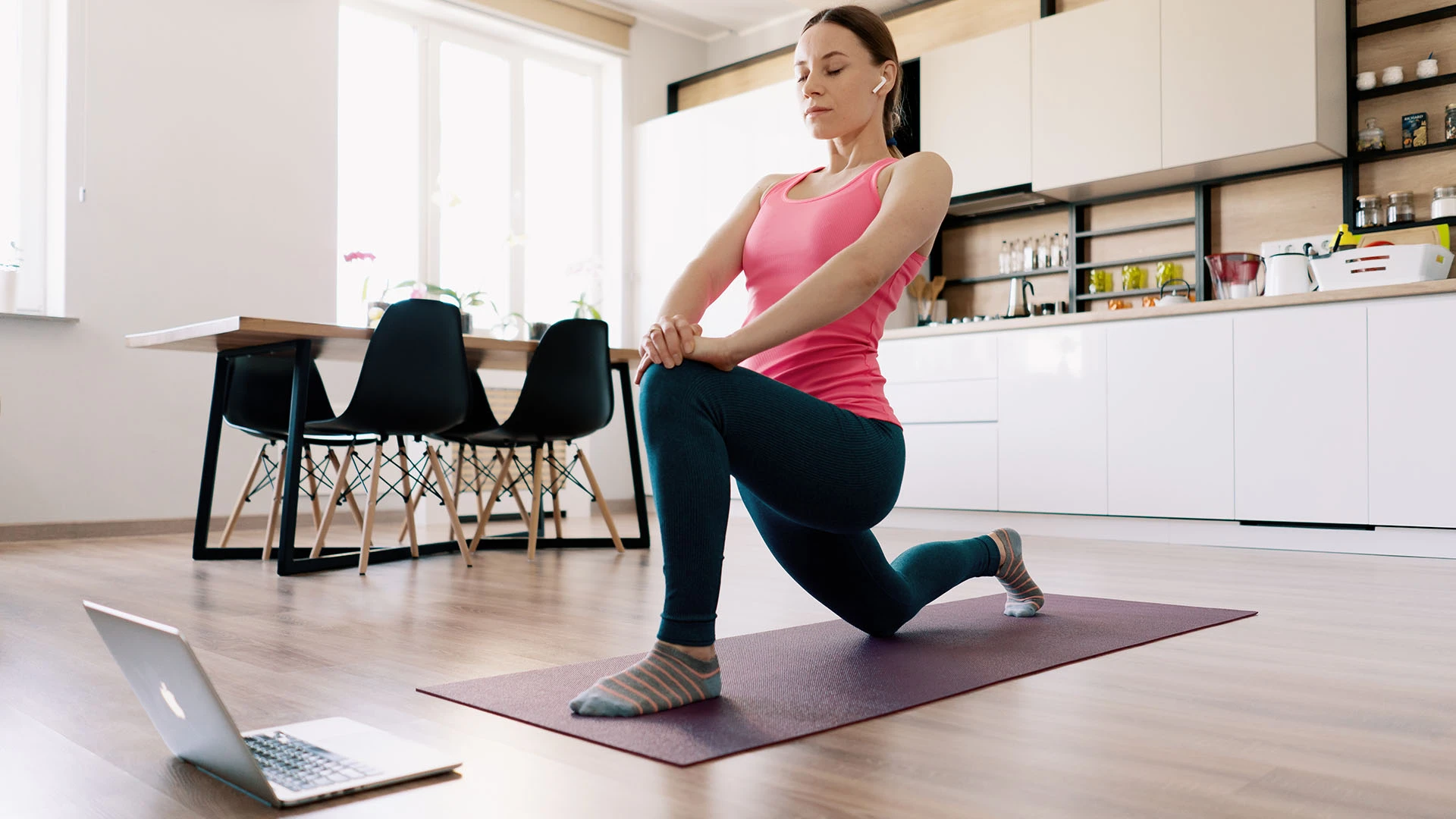
Specific abdominal exercises digestion routines work by creating gentle pressure on digestive organs. These movements act like an internal massage, promoting the natural contractions that move food through your system. Try this sequence: Lie on your back, bring your knees to your chest, and gently rock side to side for 30 seconds. Follow with gentle spinal twists while seated. These movements specifically target areas where gas and bloating commonly occur.
Ancient practices meet modern science when it comes to yoga for digestion. Specific poses create internal pressure that stimulates digestive organs while promoting relaxation—a perfect combination for optimal gut function.
The Cat-Cow pose creates gentle compression and release of abdominal organs. As you arch and round your spine, you're essentially wringing out your digestive tract like a sponge. This movement promotes blood flow and stimulates natural digestive contractions. Seated spinal twists work differently by creating lateral pressure on your intestines. This helps release trapped gas and promotes the movement of digestive contents through your system.
Diaphragmatic breathing isn't just for relaxation—it's one of the most effective exercises for gut health. When you breathe deeply into your belly, your diaphragm creates a pumping action that massages digestive organs with each breath. Practice this: Place one hand on your chest, one on your belly. Breathe so only the bottom hand moves. This activates your parasympathetic nervous system, putting your body in optimal digestive mode.
Different digestive problems require targeted approaches. Generic exercise advice doesn't cut it when you're dealing with specific gut issues. Here's how to match your movement to your symptoms.
Exercises for bloating focus on releasing trapped gas and reducing abdominal pressure. Wind-relieving poses, where you hug your knees to your chest and gently rock, create the perfect combination of compression and movement to encourage gas release. Gentle side bends while standing also help by creating space in your abdominal cavity and encouraging gas to move through your system naturally.
Exercises for constipation work by stimulating the muscles responsible for moving waste through your colon. Deep squats are particularly effective because they align your rectum for easier elimination while engaging your core muscles. Leg raises and bicycle movements while lying down create gentle abdominal pressure that can help stimulate bowel movements. The key is consistency rather than intensity.
Metabolism boosting exercises support digestion by improving your body's overall efficiency at processing nutrients. High-intensity interval training (HIIT) increases your metabolic rate for hours after exercise, meaning your body continues burning calories and processing nutrients more efficiently. Resistance training also plays a crucial role by building lean muscle mass, which requires more energy to maintain and thus boosts your overall metabolic rate.
When you exercise matters almost as much as what you do. Your digestive system follows natural rhythms, and aligning your movement with these patterns maximizes benefits. The golden window for digestion relief exercises is 30-60 minutes after eating. This timing allows initial digestion to begin while providing gentle stimulation to keep things moving. Exercising immediately after eating can cause discomfort, while waiting too long misses the optimal window for digestive support. Morning movement sets your digestive tone for the entire day. Even 5-10 minutes of gentle stretching or breathing exercises can activate your digestive system and prepare it for the day ahead.
Consistency trumps intensity when it comes to digestive health. Daily 10-minute walks provide more long-term benefits than sporadic hour-long gym sessions. Your digestive system responds better to regular, gentle stimulation than occasional intense exercise. Start with just 2-3 gut health exercises performed daily. As these become automatic, gradually add new movements or increase duration. This approach builds lasting habits without overwhelming your system.
Answer: Walking remains the most effective single exercise for digestion. A 10-15 minute walk after meals stimulates digestive organs, promotes gastric motility, and helps prevent bloating. It's gentle enough for daily practice while providing measurable digestive benefits.
Answer: Many people notice improvements within 24-48 hours of starting regular movement. Bloating relief can occur within minutes of appropriate exercises, while chronic issues like constipation may take 1-2 weeks of consistent practice to show significant improvement.
Answer: High-intensity exercises immediately after eating can worsen digestive discomfort. Avoid exercises that create excessive abdominal pressure, like heavy weightlifting, if you're experiencing severe bloating. Inverted poses should be avoided during active digestive upset.
Answer: Exercise is a powerful tool for digestive health but works best as part of a comprehensive approach. Chronic digestive issues often require attention to diet, stress management, and sometimes medical intervention. Exercise enhances these other interventions rather than replacing them.
Answer: Morning exercise helps establish healthy digestive rhythms for the day. Post-meal walks provide immediate digestive support. Evening yoga or gentle stretching can improve overnight digestion and preparation for the next day's digestive processes.
Your digestive system isn't separate from the rest of your body—it's deeply connected to your movement patterns, stress levels, and overall health. The right exercise for digestion doesn't require expensive equipment or complicated routines. Simple, consistent movement that you can maintain long-term provides the most significant benefits. Start where you are, not where you think you should be. A daily 10-minute walk creates more digestive improvements than sporadic intense workouts. Your gut responds to consistency, gentleness, and patience. As you build these movement habits, you'll likely notice improvements that extend far beyond digestion—better energy, mood, and overall well-being follow naturally when your digestive system functions optimally.


Someone sent you
Powered by ReferRush