


Essential Metabolic Balance Diet for PCOS Checklist: Your PCOS Nutrition Guide

Get personalised recommendations with our assessment.
Personalised Health Diagnosis (PHD)
Living with PCOS feels like your body is working against you. One day you're energized, the next you're crashing hard. Your weight fluctuates despite your best efforts, and those sugar cravings hit like a freight train. Here's the truth: PCOS isn't just about irregular periods—it's a complex metabolic condition that demands a strategic nutritional approach. A well-designed metabolic balance diet for PCOS can be your game-changer, helping you reclaim control over your hormones, energy, and overall health. We're challenging the status quo of PCOS management with Ace Blend, offering a disruptive approach to hormonal wellness.
PCOS affects up to 20% of women of reproductive age, yet most don't realize it's fundamentally a metabolic disorder. The condition creates a perfect storm of hormonal chaos that traditional dieting simply can't fix.
Here's what's really happening inside your body with PCOS. Insulin resistance affects up to 70% of women with this condition. This creates a vicious cycle where your cells can't properly use glucose for energy. This leads to elevated insulin levels, which trigger your ovaries to produce excess androgens—those male hormones responsible for acne, hair growth, and weight gain around your midsection.
Your body sends clear signals when your metabolism is out of whack. Watch for these red flags:
Stubborn weight gain, especially around your waist
Energy crashes 2-3 hours after meals
Intense sugar and carb cravings
Difficulty losing weight despite calorie restriction
Brain fog and mood swings
Irregular or absent menstrual cycles
Forget restrictive dieting—your PCOS diet plan needs to work with your body's unique metabolic challenges. This isn't about deprivation; it's about strategic nourishment that stabilizes blood sugar, reduces inflammation, and supports hormonal balance. This is a key part of PCOS weight management.
The foundation of any effective insulin resistance diet rests on three pillars. First, prioritize low glycemic diet PCOS foods that won't spike your blood sugar. Second, embrace anti-inflammatory ingredients that calm systemic inflammation. Third, balance your macronutrients to support steady energy and hormone production.
Here's our proven macronutrient formula that works, though individual variation may be needed based on insulin sensitivity:
40% complex carbohydrates - Focus on fiber-rich, low-glycemic options
30% lean protein - Essential for blood sugar stability and metabolism
30% healthy fats - Critical for hormone production and satiety
Building your PCOS nutrition guide starts with knowing exactly which foods fuel your body optimally. These aren't just random healthy foods—they're specifically chosen to combat insulin resistance and support hormonal balance.
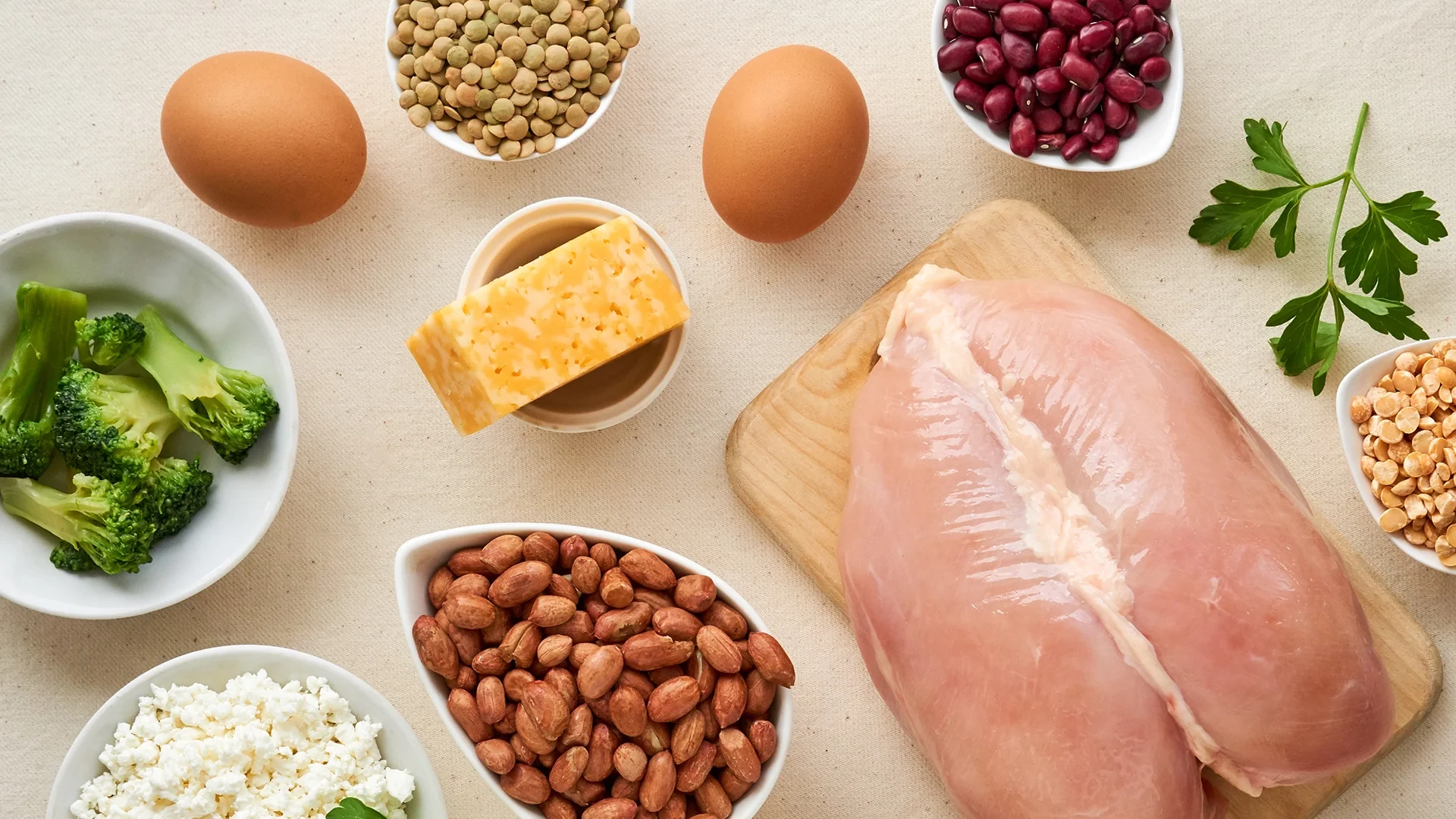
Protein is your secret weapon for PCOS weight management. It stabilizes blood sugar, boosts metabolism, and keeps you satisfied for hours.
Wild-caught fish - Salmon, sardines, mackerel for omega-3s
Grass-fed lean meats - Chicken breast, turkey, lean beef
Plant-based proteins - Lentils, chickpeas, hemp seeds
Eggs - Pasture-raised for optimal nutrient density
Greek yogurt - Unsweetened, full-fat varieties
Not all carbs are created equal. These options provide sustained energy without the blood sugar roller coaster:
Steel-cut oats - Rich in beta-glucan fiber
Quinoa - Complete protein plus complex carbs
Sweet potatoes - High in fiber and beta-carotene
Brown rice - Whole grain goodness
Leafy greens - Spinach, kale, arugula
Your gut microbiome plays a crucial role in PCOS management. These foods support gut health and PCOS healing:
Fermented vegetables - Sauerkraut, kimchi, pickles
Kefir and yogurt - Probiotic powerhouses
Prebiotic foods - Garlic, onions, asparagus
Bone broth - Gut-healing collagen and minerals
Knowing what to eliminate is just as important as knowing what to include. These foods can worsen insulin resistance and trigger inflammation, making your PCOS symptoms harder to manage.
These foods cause rapid blood sugar spikes that worsen insulin resistance:
Refined sugars - White sugar, high fructose corn syrup
Processed grains - White bread, pasta, crackers
Sugary beverages - Soda, fruit juices, energy drinks
Packaged snacks - Chips, cookies, candy
These ingredients fuel the chronic inflammation that makes PCOS worse:
Trans fats - Margarine, fried foods, processed baked goods
Excessive omega-6 oils - Vegetable oil, corn oil, soybean oil
Processed meats - Hot dogs, deli meats, bacon
Excess alcohol - Disrupts hormone balance and liver function
Here's how balanced eating for PCOS looks in practice. This sample day provides stable blood sugar, anti-inflammatory nutrients, and satisfying meals that won't leave you craving junk food.
Breakfast: Steel-cut oats with ground flaxseed, cinnamon, and berries. Add a scoop of our plant-based protein powder for extra staying power.
Lunch: Quinoa bowl with grilled chicken, roasted vegetables, avocado, and tahini dressing.
Dinner: Baked salmon with sweet potato and steamed broccoli, drizzled with olive oil.
Snacks: Apple slices with almond butter, or Greek yogurt with nuts and seeds.
Success with your hormonal balance diet requires planning. Batch cook proteins on Sunday, pre-chop vegetables, and prepare grab-and-go snacks. This prevents those moments when you're starving and reach for whatever's convenient.
Your anti-inflammatory diet PCOS approach extends beyond just food choices. Timing, stress management, and targeted supplementation can amplify your results significantly.
When you eat matters as much as what you eat. Aim for three balanced meals with 1-2 small snacks if needed. Avoid grazing throughout the day, which keeps insulin levels constantly elevated.
While food should be your foundation, certain supplements can provide targeted support. Our Ace Blend supplements offer targeted support. For instance, omega-3s combat inflammation, while magnesium supports insulin sensitivity and stress management—both crucial for PCOS management. We recommend a dosage of 1000-2000mg of EPA/DHA for omega-3s and 300-400mg of magnesium daily, backed by scientific research.
If pregnancy is in your future, your fertility diet PCOS needs extra attention to folate, iron, and omega-3 fatty acids. Focus on nutrient-dense whole foods and consider working with a healthcare provider to optimize your nutritional status.
Focus on lean proteins at every meal, plenty of non-starchy vegetables, healthy fats like avocado and nuts, and complex carbohydrates in moderation. Include anti-inflammatory foods like fatty fish, berries, and leafy greens daily. This is a cornerstone of a good balanced diet for PCOS.
Improving your metabolism with PCOS involves a multi-faceted approach. Focus on a nutrient-dense, balanced diet that stabilizes blood sugar, incorporates lean protein and healthy fats, and includes complex carbohydrates. Regular physical activity, especially strength training, can also boost your metabolic rate. Managing stress and ensuring adequate sleep are also vital for hormonal balance and metabolic function.
Most women notice improved energy and reduced cravings within 2-3 weeks. Hormonal changes and weight loss typically take 3-6 months of consistent eating. Be patient—sustainable changes take time.
Absolutely! The key is choosing the right types and amounts. Focus on complex carbohydrates with fiber, eat them with protein and fat, and time them around physical activity when possible. This approach supports PCOS weight management.
Quality matters more than quantity. Focus on nutrient-dense foods, proper portions, and listening to your hunger cues. Severe calorie restriction can actually worsen PCOS by increasing stress hormones.
Managing PCOS through nutrition isn't about perfection—it's about consistency and making choices that support your body's unique needs. Your metabolic balance diet for PCOS should feel sustainable, not punishing. Start with small changes, build momentum, and remember that every healthy choice moves you closer to hormonal balance. The path to PCOS wellness isn't always linear, but with the right nutritional foundation, you can reclaim control over your health and feel like yourself again. Ace Blend is here to disrupt the conventional approach and empower your journey.


Someone sent you
Powered by ReferRush