


Essential Dairy-Free Protein Checklist for Lactose Intolerance

Get personalised recommendations with our assessment.
Personalised Health Diagnosis (PHD)
Nearly 70% of the global population experiences some degree of lactose intolerance, with rates soaring even higher in certain regions of India. Yet, despite this widespread digestive challenge, many people struggle to meet their daily protein requirements without relying on traditional dairy sources. The reality is stark: when your body can't properly digest lactose, the sugar found in milk and dairy products, your protein options suddenly feel limited. But here's the thing—thriving on a lactose-free diet while maintaining optimal protein intake isn't just possible, it's entirely achievable with the right strategy. This comprehensive checklist will transform how you approach dairy-free protein, ensuring you never compromise on nutrition or taste again.
Lactose intolerance occurs when your small intestine doesn't produce enough lactase, the enzyme responsible for breaking down lactose into simpler sugars. This deficiency creates a cascade of digestive health issues that extend far beyond simple stomach discomfort. When undigested lactose reaches your colon, it ferments, producing gas, bloating, and diarrhea—the classic lactose intolerance symptoms that millions experience daily.
What many don't realize is how this condition impacts gut health on a deeper level. The fermentation process can disrupt your intestinal microbiome, potentially leading to small intestinal bacterial overgrowth (SIBO) in some individuals. This disruption affects not just comfort, but also nutrient absorption, making it even more crucial to choose easily digestible, high-quality protein sources that support rather than strain your digestive system.
The protein landscape extends far beyond dairy, offering a rich tapestry of options that often surpass traditional sources in both nutritional value and digestibility. Understanding these alternatives is key to building a sustainable, health-promoting diet that aligns with your body's needs.
Plant-based protein sources offer exceptional nutritional density while being naturally lactose-free. Legumes like lentils, chickpeas, and black beans provide 15-18 grams of protein per cup, along with fiber that supports digestive health. Quinoa stands out as a complete protein, containing all nine essential amino acids—a rarity in the plant kingdom.
Hemp seeds and chia seeds pack impressive protein punches at 10 and 5 grams per ounce respectively. The key lies in combining complementary proteins throughout the day to ensure complete amino acid profiles that rival any dairy source.
Eggs deliver the gold standard of protein bioavailability, with a biological value of 100. Fish, particularly fatty varieties like salmon and mackerel, provide not only high-quality protein but also omega-3 fatty acids that support anti-inflammatory processes in your gut.
Modern dairy alternatives have evolved beyond simple milk substitutes. Fortified plant milks now offer comparable protein content to dairy milk, while lactose-free dairy products allow those with mild intolerance to enjoy familiar flavors without digestive distress.
The protein powder landscape has transformed dramatically, offering sophisticated alternatives that often outperform traditional whey in both digestibility and nutritional completeness. Understanding these options empowers you to make informed choices that align with your health goals and digestive needs.
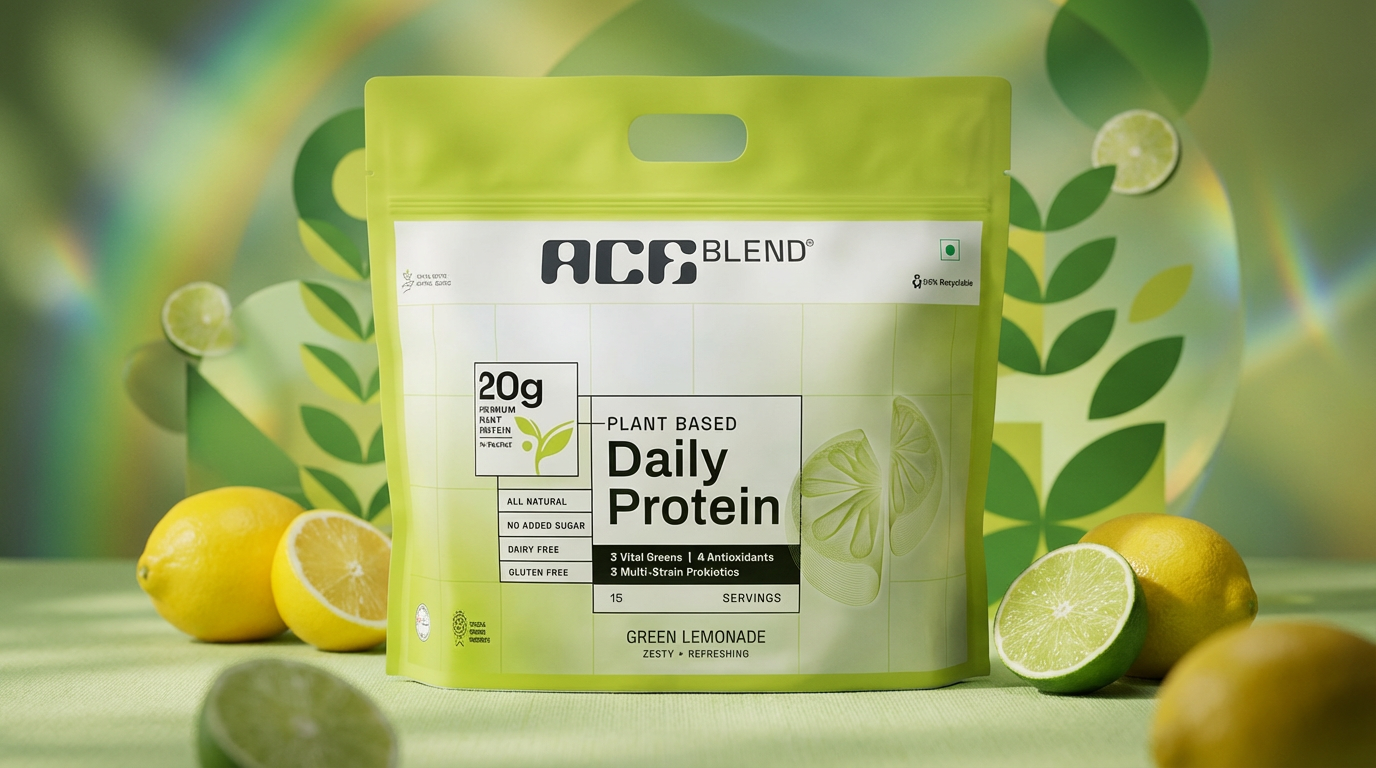
Modern plant proteins have overcome historical limitations around taste and amino acid completeness. Pea protein isolates now offer 90% protein content with excellent digestibility, while rice protein provides hypoallergenic options for sensitive individuals. Our DAILY Protein delivers 20 grams of complete amino acids from plant sources, designed specifically for optimal absorption and gut compatibility.
For those seeking whey protein alternatives, the market now offers sophisticated blends that match or exceed whey's biological value. These formulations often include digestive enzymes and probiotics, actively supporting gut health rather than challenging it. Our INTENSE Protein provides 30 grams of plant-powered nutrition for those with higher protein demands, while maintaining complete digestibility.
This comprehensive action plan ensures you never fall short on protein while maintaining optimal digestive health. Use this checklist as your daily guide to building a robust, lactose-free nutrition foundation.
Calculate your baseline needs:
Sedentary adults: 0.8g per kg body weight
Active individuals: 1.2-1.6g per kg body weight
Athletes/intense training: 1.6-2.2g per kg body weight
Older adults (65+): 1.0-1.2g per kg body weight
Breakfast essentials (aim for 20-25g protein):
Plant-based protein smoothie with berries and spinach
Overnight oats with hemp seeds and nut butter
Tofu scramble with vegetables and nutritional yeast
Chia pudding topped with nuts and seeds
Lunch options (target 25-30g protein):
Quinoa bowl with legumes and tahini dressing
Lentil soup with whole grain bread
Grilled fish with roasted vegetables
Chickpea salad with mixed greens
Dinner selections (aim for 25-30g protein):
Tempeh stir-fry with brown rice
Grilled chicken with sweet potato
Black bean and vegetable curry
Baked salmon with quinoa pilaf
Protein-rich snacks (10-15g protein each):
Mixed nuts and seeds (1/4 cup)
Hummus with vegetable sticks
Hard-boiled eggs with avocado
Plant-based protein smoothie
Transforming your kitchen into a lactose-free powerhouse doesn't mean sacrificing flavor or convenience. These dairy-free recipes prove that plant-powered nutrition can be both delicious and satisfying, supporting your health goals while respecting your digestive needs.
Green Goddess Smoothie: Blend plant protein powder, spinach, banana, almond milk, and chia seeds for a nutrient-dense start. This combination delivers complete amino acids while supporting digestive health through fiber and probiotics.
Mediterranean Quinoa Bowl: Combine cooked quinoa, chickpeas, cucumber, tomatoes, and tahini dressing. This meal provides over 25 grams of complete protein while delivering anti-inflammatory compounds that support gut health.
Spiced Lentil Curry: Simmer red lentils with coconut milk, turmeric, and ginger. Serve over brown rice for a comforting meal that delivers both protein and digestive support through anti-inflammatory spices.
While lactose intolerance itself doesn't directly cause pancreatitis, the chronic inflammation from consuming dairy when intolerant can contribute to digestive stress. Severe cases of unmanaged lactose intolerance may exacerbate existing pancreatic conditions, making a strict lactose-free diet essential for some individuals.
Lactose-free milk can cause glucose spikes because the lactose is pre-broken down into glucose and galactose during processing. This makes the sugars more readily available for absorption, potentially causing faster blood sugar rises compared to regular milk in lactose-tolerant individuals.
Some plant-based proteins can cause digestive upset, particularly if you're transitioning from dairy or have sensitivities to specific ingredients like soy or certain fibers. Starting with smaller portions and choosing easily digestible options like pea protein can minimize discomfort while your digestive system adapts.
Spreading protein intake throughout the day optimizes absorption and reduces digestive load. Aim for 20-30 grams per meal, with smaller protein-rich snacks between meals. This approach supports steady amino acid availability while being gentler on sensitive digestive systems.
Gradually replace one serving of whey with plant protein every few days, allowing your digestive system to adapt. Start with easily digestible options like pea or rice protein, and consider adding digestive enzymes during the transition period to support optimal absorption.
Mastering dairy-free protein intake while managing lactose intolerance isn't just about substitution—it's about optimization. The strategies outlined in this checklist provide a roadmap to not just meet, but exceed your protein needs while supporting optimal digestive health. Remember, the goal isn't to replicate dairy-based nutrition, but to surpass it through diverse, nutrient-dense sources that work harmoniously with your body's unique needs.
Your journey toward optimal health through plant-powered nutrition represents more than dietary change—it's a commitment to long-term wellness that honors both your body's limitations and its incredible potential. With the right knowledge and tools, lactose intolerance becomes not a barrier, but an opportunity to discover a more vibrant, energetic version of yourself.


Someone sent you
Powered by ReferRush