


Digestive Health 101: Mushrooms & MCTs Explained

Get personalised recommendations with our assessment.
Personalised Health Diagnosis (PHD)
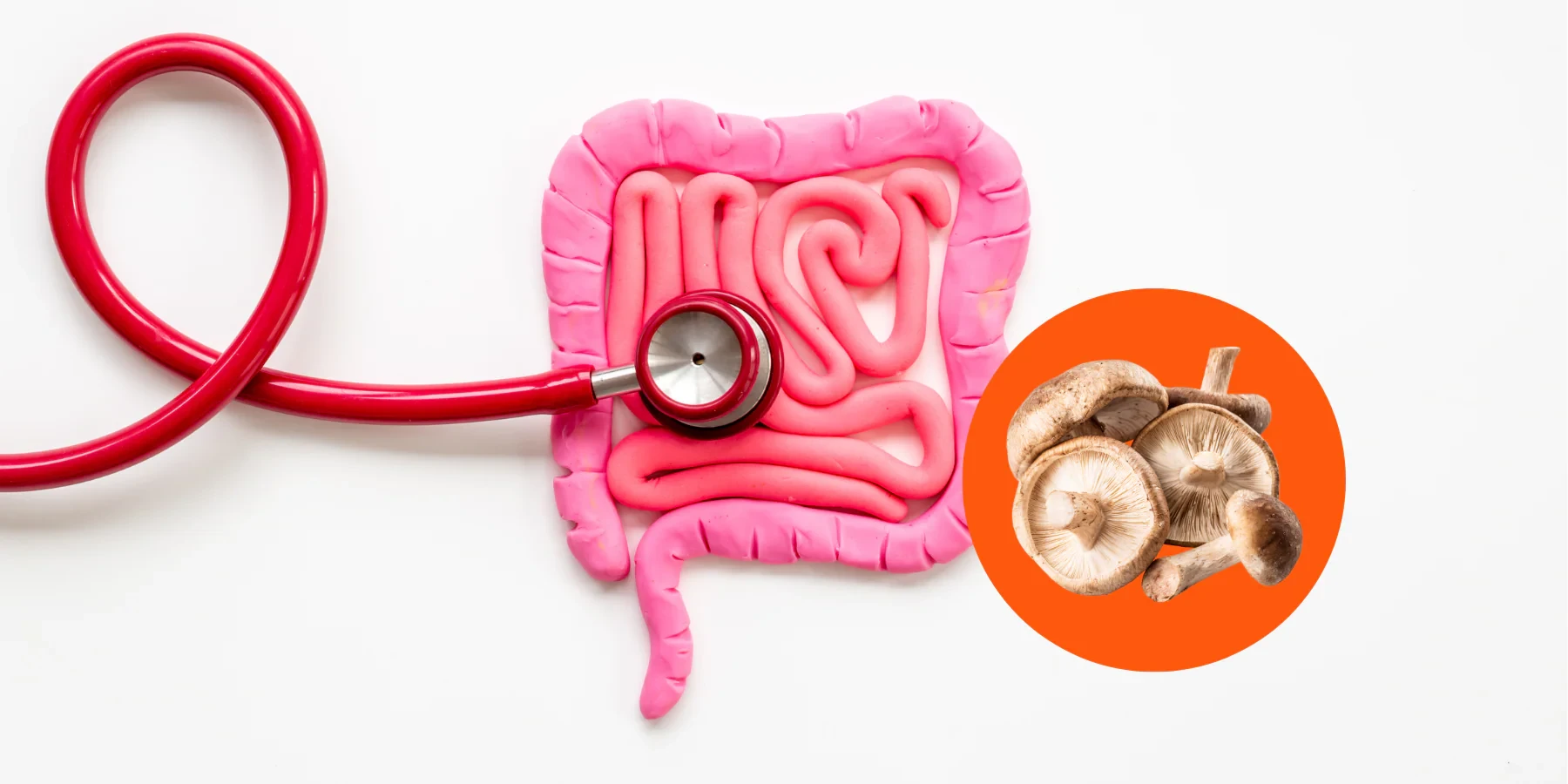
Your gut deserves better than the same old solutions. While most people reach for quick fixes when digestion goes wrong, the real power lies in understanding how nature's most potent ingredients work together. Mushrooms and MCTs aren't just trendy health buzzwords—they're scientifically-backed allies that can transform your digestive wellness from the inside out. Let's cut through the noise and explore how these plant-powered ingredients actually support your gut health, backed by real science and practical insights.
The digestive health benefits of mushrooms and MCT oil go far beyond what meets the eye. These aren't your average health supplements—they're targeted solutions that work at the cellular level to optimize gut function. While traditional approaches often mask symptoms, mushrooms and MCTs address root causes by supporting your gut microbiome and enhancing nutrient absorption.
Functional mushrooms are specific species that contain bioactive compounds with therapeutic properties. Unlike regular culinary mushrooms, varieties like Reishi, Lion's Mane, Turkey Tail, and Chaga pack concentrated doses of beta-glucans, polysaccharides, and other compounds that directly benefit your digestive system. These mushroom extracts for gastrointestinal health work by feeding beneficial gut bacteria and supporting immune function in your digestive tract.
Medium-Chain Triglycerides (MCTs) are unique fats that bypass traditional digestion pathways. Found naturally in coconut oil and palm kernel oil, MCTs are rapidly absorbed and converted into energy rather than stored as fat. This quick absorption makes MCT oil for gut health particularly effective, as it reduces digestive burden while providing immediate fuel for your intestinal cells. ##
Mushrooms support digestive health through multiple mechanisms that go beyond basic fiber content. They contain prebiotic compounds that feed beneficial gut bacteria, helping maintain a balanced microbiome. Beta-glucans found in mushrooms like Turkey Tail and Reishi act as immunomodulators, supporting the gut-associated lymphoid tissue that protects your digestive system. Additionally, these functional fungi contain enzymes that aid in breaking down food particles and reducing inflammation in the intestinal lining.
Answer: MCT oil offers unique advantages for gut health due to its molecular structure. These medium-chain fatty acids are absorbed directly into the portal circulation, bypassing the lymphatic system and reducing stress on your digestive organs. MCT oil demonstrates antimicrobial properties against harmful bacteria while promoting the growth of beneficial microbes. It also supports gut barrier function by providing energy to intestinal cells and may help reduce gut permeability, often called "leaky gut syndrome."
Several mushroom extracts stand out for gastrointestinal support. Turkey Tail contains the highest concentration of beta-glucans, making it exceptional for gut immune function. Lion's Mane supports the gut-brain connection through nerve growth factor production, which can improve digestive motility. Reishi acts as an adaptogen, helping reduce stress-related digestive issues, while Chaga provides powerful antioxidants that protect intestinal cells from oxidative damage. Each offers unique benefits that complement overall digestive wellness.
Combining mushrooms and MCTs for digestion creates a synergistic effect that amplifies individual benefits. MCTs provide immediate energy to intestinal cells, enhancing their ability to absorb the bioactive compounds from mushroom extracts. This combination supports both the gut microbiome and intestinal barrier function simultaneously. MCTs help solubilize fat-soluble compounds in mushrooms, improving their bioavailability, while mushrooms provide the prebiotics that beneficial bacteria need to thrive on MCT-derived energy.
Both mushrooms and MCTs are generally well-tolerated, but proper dosing matters. MCT oil can cause digestive upset, including nausea or diarrhea, if introduced too quickly or in large amounts. Start with small doses and gradually increase. Some people may experience mild bloating when first introducing mushroom extracts as their gut bacteria adjust. Quality matters significantly—choose clean, tested products to avoid contaminants that could cause adverse reactions. Always consult healthcare providers, especially if you have existing digestive conditions.
Integration doesn't have to be complicated. Functional mushroom coffees offer an easy daily ritual—options like Turkey Tail for gut health or Lion's Mane for focus can replace your regular coffee. MCT oil blends seamlessly into smoothies, coffee, or salad dressings. Start small with both: one teaspoon of MCT oil and half a serving of mushroom extract daily. Timing matters too—consume MCTs with meals to enhance nutrient absorption, while mushroom extracts work well on an empty stomach for maximum bioavailability.
Answer: Yes, both ingredients can address specific digestive concerns through different mechanisms. For bloating, mushroom extracts help rebalance gut bacteria that may be producing excess gas, while their anti-inflammatory properties reduce intestinal inflammation. MCTs can help with constipation by stimulating bile production and improving gut motility. The prebiotic fiber in mushrooms supports regular bowel movements, while MCTs' easy digestibility reduces overall digestive burden that can contribute to bloating and discomfort.
While generally safe, some considerations exist. Certain mushroom extracts may enhance immune system activity, potentially interacting with immunosuppressive medications. MCTs can increase the absorption of fat-soluble vitamins and medications, which might require dosage adjustments. Blood sugar medications may need monitoring, as both mushrooms and MCTs can influence glucose metabolism. Always discuss supplement additions with your healthcare provider, especially if you take medications for diabetes, immune conditions, or blood thinners.
Digestive health isn't about quick fixes—it's about understanding how clean, targeted nutrition can transform your gut from the inside out. Mushrooms and MCTs represent a science-backed approach that addresses root causes rather than masking symptoms. These plant-powered ingredients work synergistically to support your microbiome, enhance nutrient absorption, and maintain optimal gut barrier function. The key lies in choosing high-quality, potent formulations and introducing them gradually into your routine. Your digestive system deserves the same precision and care you'd give any other aspect of your health optimization journey.


Someone sent you
Powered by ReferRush