


Create Your PCOS Diet Chart: A Step-by-Step Guide

Get personalised recommendations with our assessment.
Personalised Health Diagnosis (PHD)
Managing PCOS isn't just about treating symptoms—it's about understanding how your body responds to what you fuel it with. While mainstream nutrition advice often falls short for women with PCOS, creating a personalized diet chart can be your game-changer. The right approach doesn't just manage insulin resistance; it addresses the root causes that keep your hormones in chaos. Let's break down how to build a PCOS diet chart that actually works for your unique metabolic needs, without the generic one-size-fits-all nonsense that dominates most health advice.
Polycystic Ovary Syndrome affects up to 20% of women of reproductive age, yet most still don't understand the metabolic complexity behind their symptoms. PCOS isn't just about irregular periods—it's a metabolic disorder where insulin resistance plays the starring role. When your cells become resistant to insulin, your body compensates by producing more, creating a cascade that triggers excess androgen production. This hormonal imbalance doesn't happen in isolation.
Your diet for PCOS directly influences insulin sensitivity, inflammation levels, and gut health—all critical factors in symptom management. Research shows that women with PCOS have a 50-70% higher risk of developing type 2 diabetes, making dietary intervention not just helpful, but essential.
The connection between food and hormones runs deeper than most realize. Every meal you eat sends signals to your endocrine system, either promoting balance or pushing you further into metabolic dysfunction. A well-designed PCOS diet can improve insulin sensitivity by up to 30% within 12 weeks, according to recent studies.
Building an effective PCOS diet chart requires understanding which foods support your metabolic health versus those that sabotage it. The goal isn't restriction—it's optimization. Your body needs specific nutrients to function properly, especially when dealing with the metabolic challenges that PCOS presents.
Low-glycemic foods are your first line of defense against insulin spikes. These PCOS foods to eat include steel-cut oats, quinoa, brown rice, and sweet potatoes. Unlike their refined counterparts, these complex carbohydrates provide steady energy without triggering the insulin rollercoaster that worsens PCOS symptoms.
Fibre does double duty for PCOS management—it slows glucose absorption and feeds beneficial gut bacteria. Non-starchy vegetables like broccoli, spinach, and cauliflower should fill half your plate at every meal. Legumes like lentils and chickpeas provide both fibre and plant-based protein, making them perfect for stabilizing blood sugar.
Protein is crucial for maintaining stable blood sugar and supporting healthy weight management. Wild-caught fish, organic poultry, and eggs provide complete amino acid profiles. For plant-based options, combine legumes with whole grains or consider high-quality protein supplements that offer complete amino acid profiles without artificial additives.
Your hormones are made from fats, making quality fat intake non-negotiable. Omega-3 rich foods like salmon, sardines, walnuts, and flaxseeds support an anti-inflammatory diet PCOS approach. These fats help reduce the chronic inflammation that characterizes PCOS while supporting healthy hormone production.
Knowing what to avoid is just as important as knowing what to include. Certain foods consistently worsen PCOS symptoms by promoting inflammation, spiking blood sugar, or disrupting hormonal balance. Creating a clear "avoid" list helps you make better choices when cravings hit or social situations challenge your resolve.
Refined grains, sugary cereals, white bread, and pastries should be off-limits for most women with PCOS. These foods to avoid with PCOS cause rapid blood sugar spikes, forcing your pancreas to pump out more insulin. This creates a vicious cycle that worsens insulin resistance over time.
Ultra-processed foods contain additives, preservatives, and trans fats that promote systemic inflammation. Packaged snacks, processed meats, and anything with a long ingredient list typically falls into this category. These foods disrupt your gut microbiome and contribute to the chronic inflammation that makes PCOS symptoms worse.
Dairy products can be problematic for some women with PCOS due to their potential to increase insulin-like growth factor-1 (IGF-1). Excessive soy consumption may also interfere with hormone balance, though moderate amounts are generally fine. Hidden sugars in condiments, sauces, and "healthy" packaged foods can sabotage your efforts without you realizing it.
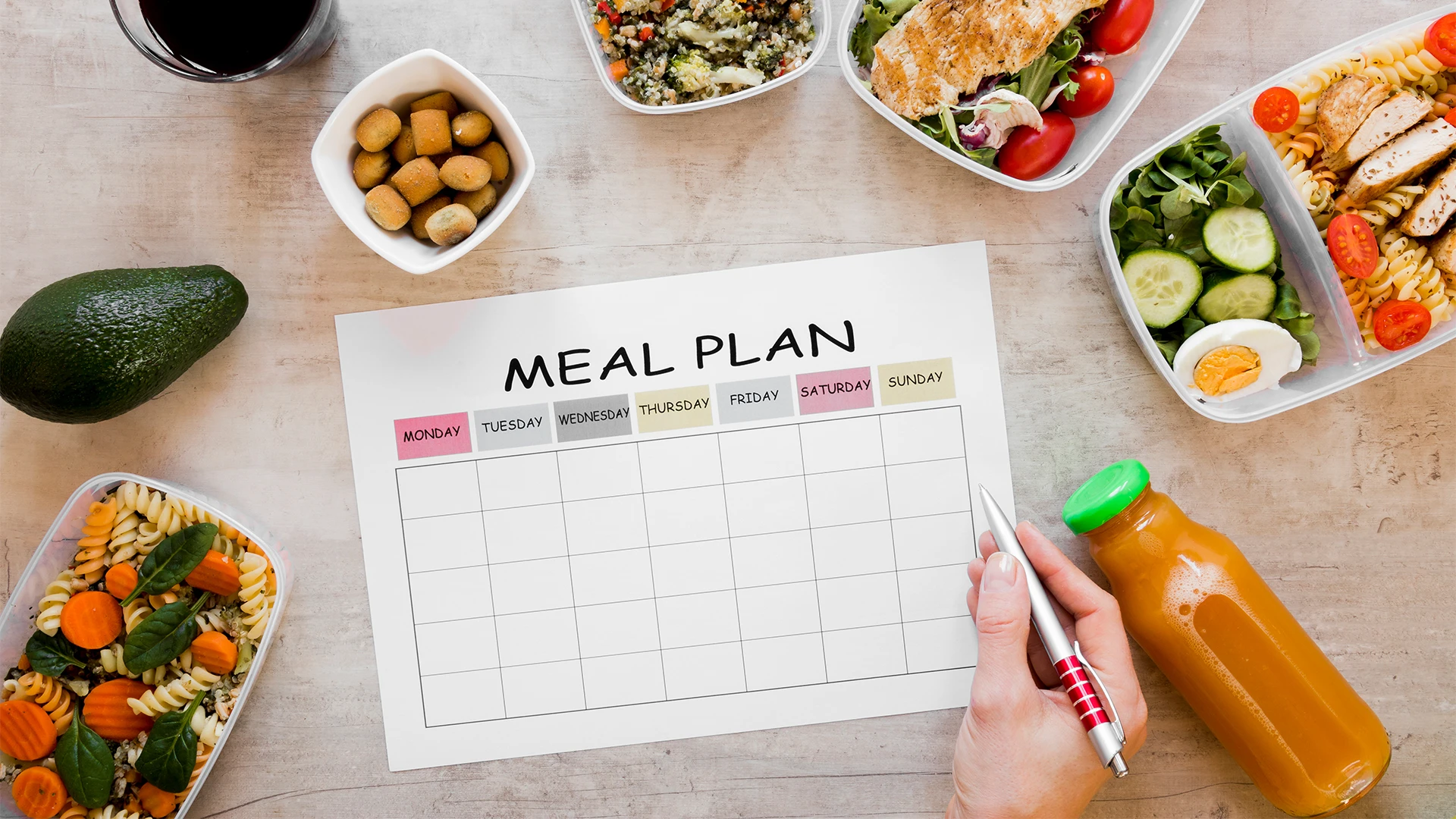
Creating your personalized PCOS diet chart isn't about copying someone else's meal plan—it's about understanding your unique needs and preferences. This systematic approach ensures your diet chart is sustainable and effective for your specific situation.
Start with a honest food diary for one week. Track everything you eat, when you eat it, and how you feel afterward. Note energy levels, cravings, and any digestive issues. This baseline assessment reveals patterns you might not notice otherwise and helps identify your personal trigger foods.
Women with PCOS often need different macronutrient ratios than the general population. A typical insulin resistance diet works well with 40% complex carbohydrates, 30% lean protein, and 30% healthy fats. Your calorie needs depend on your activity level, current weight, and goals—whether that's weight loss, maintenance, or healthy weight gain.
Consistency matters more than perfection. Plan three balanced meals and two small snacks daily, spaced evenly to maintain stable blood sugar. Include protein at every meal and snack to slow glucose absorption. Meal timing can also impact insulin sensitivity—try to eat your largest meals earlier in the day when insulin sensitivity is naturally higher.
Success happens in the preparation phase. Create weekly shopping lists based on your planned meals, focusing on whole foods from the perimeter of the grocery store. Batch cook proteins, wash and chop vegetables, and prepare grab-and-go snacks to set yourself up for success during busy weeks.
Every woman with PCOS has different goals and preferences, which is why cookie-cutter meal plans often fail. These sample PCOS meal plan frameworks can be adapted based on your specific needs, whether you're focusing on weight management, energy optimization, or symptom reduction.
Breakfast might include steel-cut oats with berries, nuts, and a protein boost, providing sustained energy without blood sugar spikes. Lunch could feature a large salad with grilled chicken, avocado, and olive oil dressing. Dinner might be baked salmon with roasted vegetables and quinoa. This approach emphasizes nutrient density while supporting healthy weight management.
For women struggling with PCOS-related fatigue, focus on foods that support steady energy levels. Include iron-rich foods like lean red meat and dark leafy greens, B-vitamin rich foods like eggs and legumes, and magnesium-rich options like pumpkin seeds and dark chocolate. Timing carbohydrates around physical activity can also help optimize energy levels.
This approach emphasizes foods that actively reduce inflammation. Include fatty fish twice weekly, colorful vegetables and fruits rich in antioxidants, herbs and spices like turmeric and ginger, and plenty of omega-3 rich foods. This anti-inflammatory diet PCOS approach can help reduce the chronic inflammation that worsens symptoms.
Most PCOS diet advice ignores the gut-hormone connection, but emerging research shows this relationship is crucial for symptom management. Women with PCOS often have altered gut microbiomes, which can worsen insulin resistance and inflammation. Addressing PCOS and gut health together creates a more comprehensive approach to symptom management. Your gut bacteria directly influence hormone metabolism, insulin sensitivity, and inflammation levels.
An imbalanced microbiome can increase androgen production and worsen PCOS symptoms. Incorporating prebiotic foods like garlic, onions, and asparagus feeds beneficial bacteria, while probiotic foods like kefir and sauerkraut introduce helpful strains. The gut-brain axis also plays a role in PCOS-related mood symptoms and cravings.
A healthy gut microbiome supports better stress management and can reduce the emotional eating patterns that many women with PCOS struggle with. Consider functional beverages that support gut health as part of your daily routine.
Answer: There's no single "best" food, but foods that support stable blood sugar are consistently beneficial. These include non-starchy vegetables, lean proteins, healthy fats like avocados and nuts, and complex carbohydrates like quinoa and sweet potatoes. The key is combining these foods in balanced meals.
Answer: Dairy affects women with PCOS differently. Some find that dairy worsens their symptoms due to its potential to increase IGF-1 levels, while others tolerate it well. If you choose to include dairy, opt for organic, full-fat versions and monitor how your body responds.
Answer: Most women notice improvements in energy levels and digestive symptoms within 2-4 weeks. Hormonal changes, including more regular cycles, typically take 3-6 months. Weight changes vary significantly based on individual factors, but sustainable progress usually becomes evident within 6-8 weeks.
Answer: Absolutely. Plant-based PCOS diets can be very effective when properly planned. Focus on combining legumes with whole grains for complete proteins, include plenty of nuts and seeds for healthy fats, and consider a high-quality plant protein supplement to meet your protein needs.
Answer: While food should be your primary focus, certain supplements can support your efforts. Omega-3 fatty acids help reduce inflammation, magnesium supports insulin sensitivity and sleep quality, and vitamin D is often deficient in women with PCOS. Always consult with a healthcare provider before starting new supplements.
Creating an effective PCOS diet chart isn't about following the latest trend—it's about understanding your body's unique needs and responding accordingly. Focus on whole foods that support stable blood sugar, reduce inflammation, and nourish your gut microbiome. Remember that consistency matters more than perfection, and small, sustainable changes often produce better long-term results than dramatic overhauls.
Your PCOS diet chart should evolve as you learn what works best for your body. Pay attention to how different foods affect your energy, mood, and symptoms. With patience and the right approach, you can create a sustainable eating pattern that not only manages your PCOS symptoms but helps you feel your best every day.


Someone sent you
Powered by ReferRush