


9 Sugar-Free Supplements for Diabetics: Boost Blood Sugar Support

Get personalised recommendations with our assessment.
Personalised Health Diagnosis (PHD)
Managing diabetes isn't just about watching what you eat—it's about being smart with every supplement that enters your body. Traditional supplements often hide sugars that can spike blood glucose levels, making blood sugar control even harder. The good news? Sugar-free and diabetic-friendly supplements can actually support your metabolic health without sabotaging your glucose goals. Let's dive into nine powerhouse supplements that work with your body, not against it.
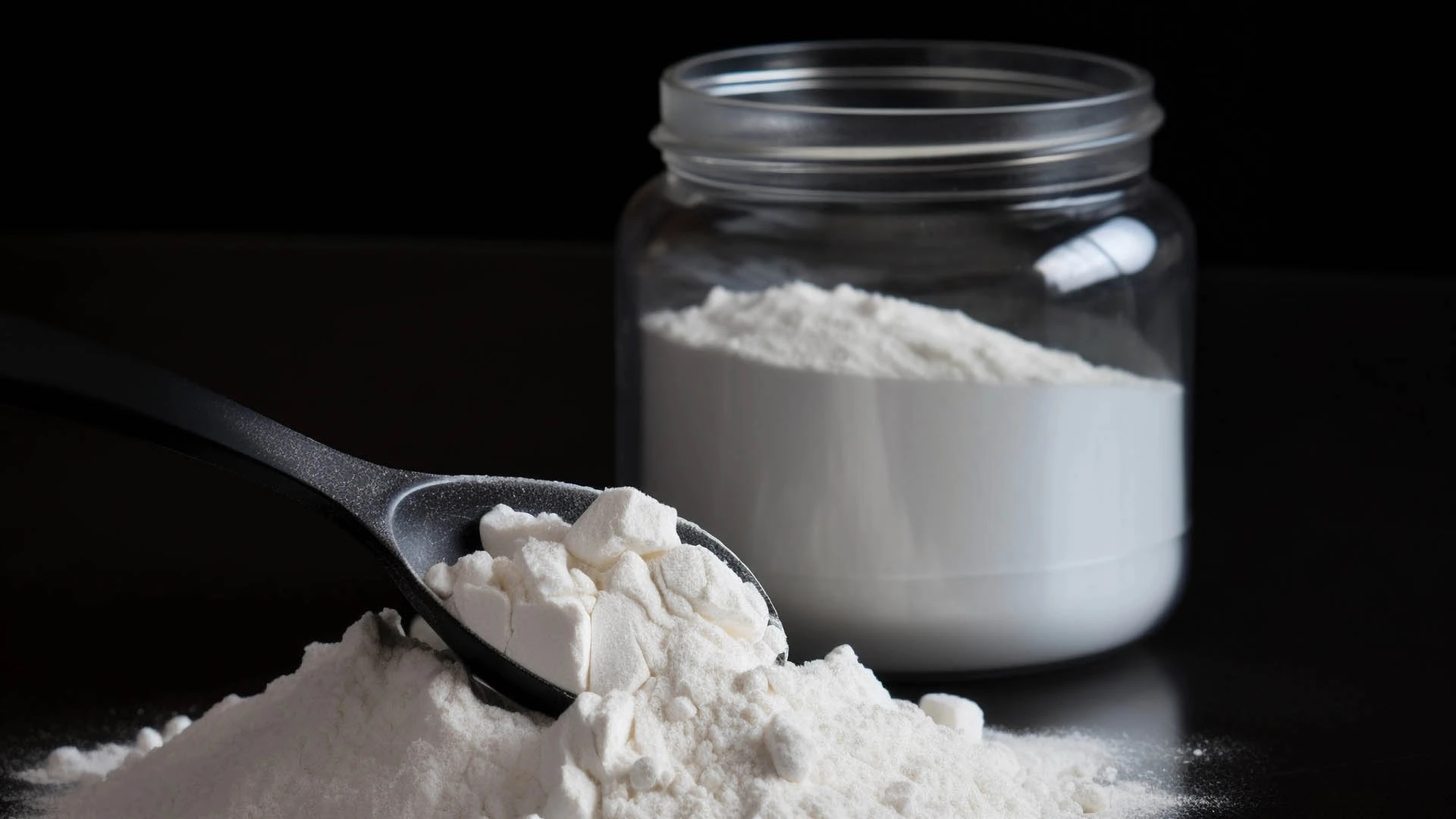
Here's the brutal truth: most supplements on the market contain hidden sugars that can wreak havoc on your blood glucose levels. Maltodextrin, dextrose, and high fructose corn syrup lurk in everything from vitamin gummies to protein powders. For diabetics, these seemingly innocent additives can trigger unwanted blood sugar spikes.
Reading supplement labels becomes a survival skill. Look beyond the flashy marketing claims and scan the ingredient list for sugar aliases. Diabetic supplements should be formulated with your metabolic needs in mind, not loaded with cheap fillers that work against your health goals.
These nine supplements have solid research backing their blood sugar benefits. Each one offers unique metabolic support without the sugar burden that traditional supplements carry.
Most diabetics are walking around magnesium deficient, and it's sabotaging their glucose control. Magnesium helps insulin work more effectively and supports healthy blood sugar metabolism. Look for magnesium glycinate or citrate forms—they're easier on your stomach and better absorbed than cheap magnesium oxide.
This powerful antioxidant doesn't just fight free radicals—it helps your cells use glucose more efficiently. ALA can improve insulin sensitivity and may help reduce diabetic nerve pain. Start with 300-600mg daily, preferably on an empty stomach for better absorption.
Low vitamin D levels are linked to poor glucose control and increased diabetes risk. This sunshine vitamin helps your body respond better to insulin. Choose vitamin D3 over D2, and aim for 2000-4000 IU daily unless your doctor recommends otherwise.
Chromium picolinate can help improve how your body processes carbohydrates and may reduce sugar cravings. Studies show it can modestly improve glucose control, especially in people with type 2 diabetes. Stick to 200-400mcg daily—more isn't necessarily better.
Zinc plays a crucial role in insulin production and storage. Diabetics often have lower zinc levels, which can impact wound healing and immune function. Look for zinc bisglycinate or zinc picolinate forms for better absorption without stomach upset.
This plant compound has impressive research showing it can lower blood sugar as effectively as some diabetes medications. Berberine works by improving insulin sensitivity and reducing glucose production in the liver. Take 500mg three times daily with meals for best results.
Not all cinnamon is created equal. Ceylon cinnamon extract is safer for long-term use than Cassia cinnamon and may help improve glucose tolerance. Look for standardized extracts that specify the active compounds rather than just ground cinnamon powder.
This B-vitamin helps your body break down carbohydrates more efficiently. Diabetics may need higher amounts of biotin to support optimal glucose metabolism. Most people do well with 30-100mcg daily, though some studies use higher doses.
Diabetes increases cardiovascular risk, and folate helps protect your heart and blood vessels. Choose methylfolate over synthetic folic acid—it's the active form your body can use immediately. These diabetic friendly vitamins work together to support overall metabolic health.
Protein is crucial for blood sugar stability, but many protein powders are loaded with hidden sugars. Sugar free supplements like quality protein powders can help maintain steady glucose levels while supporting muscle health.
Plant-based proteins often have a gentler impact on blood sugar than whey, though both can work well for diabetics. The key is choosing products sweetened with stevia, monk fruit, or erythritol instead of maltodextrin or artificial sugars that can spike glucose levels.
Your gut microbiome directly influences glucose control—a fact that's revolutionizing diabetes management. Poor gut health can worsen insulin resistance, while a healthy microbiome supports better blood sugar stability.
Probiotic supplements designed for diabetics focus on strains that specifically support glucose metabolism. Look for Lactobacillus acidophilus and Bifidobacterium species that have research backing their metabolic benefits. Gut health for diabetics isn't just about digestion—it's about creating an internal environment that supports healthy blood sugar levels.
The sweetener game has changed dramatically for diabetics. Stevia leads the pack with zero glycemic impact and no blood sugar spikes. Monk fruit extract offers intense sweetness without the metabolic burden of traditional sugars.
Erythritol and other sugar alcohols can work well for most diabetics, though some people experience digestive upset. Avoid supplements sweetened with maltitol or sorbitol—they can still affect blood glucose levels and cause uncomfortable GI symptoms.
Third-party testing separates quality supplements from marketing hype. Look for NSF, USP, or ConsumerLab certifications that verify what's actually in the bottle matches the label claims.
Avoid supplements packed with fillers, artificial colors, and unnecessary additives. The cleaner the ingredient list, the better for your metabolic health. Always consult your healthcare provider before adding new supplements, especially if you're on diabetes medications that could interact with certain compounds.
Magnesium, alpha-lipoic acid, and vitamin D top the list for evidence-based blood sugar support. These work through different mechanisms—magnesium improves insulin sensitivity, ALA enhances glucose uptake, and vitamin D supports overall metabolic function.
Absolutely not. Supplements for diabetics work best as complementary support alongside proper medical treatment. Never stop or reduce diabetes medications without your doctor's guidance, even if supplements seem to be helping.
Most people notice changes within 4-8 weeks of consistent use. However, some supplements like berberine may show effects within days, while others like vitamin D can take months to optimize levels and show metabolic benefits.
Generally, these supplements are well-tolerated when used appropriately. However, berberine can interact with diabetes medications, and high-dose magnesium may cause digestive upset. Start with lower doses and work up gradually.
Managing diabetes requires a comprehensive approach that includes smart supplementation. These nine natural blood sugar supplements offer real metabolic support without the hidden sugars that sabotage your glucose goals. Remember, supplements work best when combined with proper nutrition, regular exercise, and consistent medical care.
The key is choosing high-quality, third-party tested products that align with your specific health needs. Start with one or two supplements, monitor your blood sugar response, and work with your healthcare team to optimize your approach. Your future self will thank you for taking control of your metabolic health today.


Someone sent you
Powered by ReferRush