


9 Best Digestive Enzymes for Bloating Relief & Gas

Get personalised recommendations with our assessment.
Personalised Health Diagnosis (PHD)
Bloating and gas can turn even the simplest meal into an uncomfortable ordeal. While many reach for antacids or hope the discomfort passes, the real solution might lie in understanding what your body actually needs: digestive enzymes. These powerful proteins break down food components that your system struggles to process, offering targeted relief from that post-meal puffiness. Unlike generic remedies that mask symptoms, the right enzyme tackles the root cause of your digestive distress.
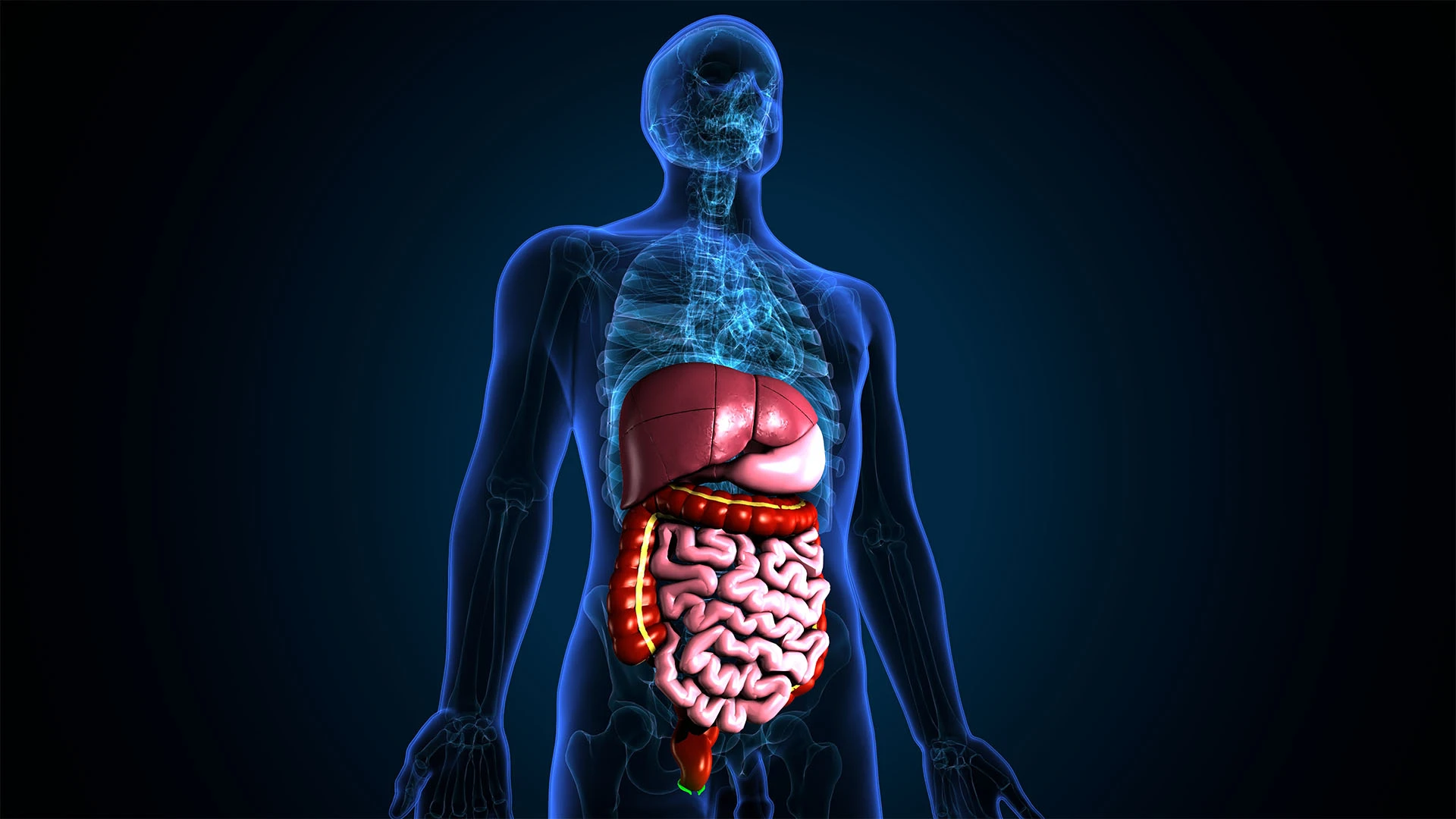
Digestive enzymes are specialized proteins that break down food into smaller, absorbable components. Think of them as molecular scissors, each designed to cut specific types of nutrients. Your pancreas, stomach, and small intestine naturally produce these enzymes, but sometimes production falls short or certain foods overwhelm your system's capacity.
The bloating-enzyme connection is straightforward: when food isn't properly broken down, it ferments in your gut. This fermentation process produces gas, leading to that familiar balloon-like feeling in your abdomen. The three main types of digestive enzymes include amylase (breaks down carbohydrates), protease (tackles proteins), and lipase (handles fats).
Research shows that enzyme production naturally decreases with age, starting as early as your twenties. Stress, processed foods, and certain medications can further compromise your body's enzyme output. When these gut health enzymes are insufficient, undigested food particles become fuel for bacteria in your large intestine, creating the perfect storm for gas and bloating.
Not all digestive enzymes for gas are created equal. Each enzyme targets specific food components, making some more effective for certain types of bloating. Here's our science-backed breakdown of the most effective options available.
This enzyme specifically targets complex sugars found in beans, vegetables, and whole grains. Alpha-galactosidase breaks down raffinose and stachyose, the notorious culprits behind bean-induced gas. Clinical studies show it can reduce gas production by up to 50% when taken before meals containing these foods.
For dairy-related bloating, lactase is your go-to solution. This enzyme breaks down lactose, the sugar found in milk products. Even people with mild lactose intolerance can benefit from lactase supplementation, allowing them to enjoy dairy without the uncomfortable aftermath.
This powerhouse combination includes lipase, protease, and amylase working together. It's particularly effective for overall digestive support and is often prescribed for pancreatic insufficiency. The multi-enzyme approach tackles proteins, fats, and carbohydrates simultaneously.
Derived from pineapple stems, bromelain excels at protein digestion while offering anti-inflammatory benefits. Studies suggest it can reduce bloating caused by protein-heavy meals and may help with overall digestive inflammation.
This papaya-derived enzyme specializes in protein breakdown, making it ideal for those who struggle with meat digestion. Papain works effectively in both acidic and alkaline environments, providing consistent digestive support throughout your meal.
Cellulase breaks down cellulose, the fiber found in plant cell walls. This enzyme is particularly helpful for people increasing their vegetable intake who experience gas from high-fiber foods. It helps your body process raw vegetables and fruits more efficiently.
Also known as sucrase, this enzyme breaks down sucrose and other complex sugars. It's especially beneficial for people with sucrose intolerance or those who experience bloating after consuming sweet foods or fruits.
This enzyme targets hemicellulose, a complex carbohydrate found in plant fibers. Hemicellulase is particularly effective for breaking down oligosaccharides in beans and legumes, working synergistically with alpha-galactosidase for comprehensive gas relief.
Pectinase breaks down pectin, a fiber found in fruits like apples and citrus. This enzyme can help reduce bloating from fruit consumption while supporting natural detoxification processes in your digestive system.
Selecting the right bloating relief supplements requires understanding your specific digestive challenges. Keep a food diary to identify which foods trigger your symptoms most consistently. This pattern will guide you toward the most appropriate enzyme or enzyme combination.
Quality matters significantly in digestive support supplements. Look for products with third-party testing, clear potency listings, and enteric coating to protect enzymes from stomach acid. Single-enzyme formulas work best when you've identified specific trigger foods, while broad-spectrum formulas offer comprehensive support for varied diets.
Take enzymes 15-30 minutes before eating for optimal effectiveness. Start with the lowest recommended dose and gradually increase if needed. Most people see improvement within a few days, though some may need several weeks to notice significant changes.
While supplements provide targeted relief, incorporating natural remedies for bloating can enhance your digestive health holistically. Enzyme-rich foods like fresh pineapple, papaya, and ginger naturally support digestion when consumed regularly.
Consider meal timing and food combining strategies. Eating smaller, more frequent meals reduces the digestive burden on your system. Chewing thoroughly and eating slowly also supports natural enzyme production and improves overall digestion.
Stress reduction techniques like deep breathing or meditation can improve digestive enzyme production. Chronic stress diverts energy away from digestion, reducing your body's natural enzyme output. Regular movement after meals also supports digestive processes and can help prevent gas buildup.
Most people tolerate digestive enzymes well, but certain medical conditions require caution. People with diabetes should monitor blood sugar levels when starting enzyme supplements, as improved digestion can affect glucose absorption. Those with gallbladder issues should consult healthcare providers before using lipase-containing products.
Potential side effects include mild stomach upset, diarrhea, or nausea when starting supplementation. These typically resolve as your body adjusts. Pregnant women, children, and elderly individuals should seek medical guidance before beginning any new supplement regimen.
The best enzyme depends on your specific triggers. Alpha-galactosidase works best for vegetable and bean bloating, while lactase targets dairy-related issues. For general bloating, a broad-spectrum pancreatic enzyme complex offers comprehensive support.
Enzymes work best as prevention rather than treatment for active bloating. Take them before meals to prevent gas formation. For existing bloating, focus on gentle movement, hydration, and identifying trigger foods for future prevention.
Most people notice improvement within 30 minutes to 2 hours after taking enzymes with a meal. Consistent use over several days typically provides the most noticeable benefits as your digestive system adjusts.
Yes, daily use is generally safe for most people. However, work with a healthcare provider to ensure long-term use aligns with your health goals and doesn't mask underlying digestive issues that need medical attention.
Enzymes and probiotics work differently but can complement each other. Enzymes break down food to prevent gas formation, while probiotics support overall gut health. Many people benefit from using both as part of a comprehensive digestive health strategy.
The right digestive enzyme can transform your relationship with food, eliminating the fear of post-meal discomfort. Start by identifying your specific trigger foods, then choose targeted enzymes or broad-spectrum formulas accordingly. Remember that quality matters—invest in third-party tested products with clear potency information.
While enzymes offer powerful relief, they work best as part of a holistic approach that includes mindful eating, stress management, and lifestyle modifications. At Ace Blend, we understand that true digestive wellness requires more than quick fixes—it demands science-backed solutions that address root causes while supporting your body's natural processes.


Someone sent you
Powered by ReferRush