


13 Ways to Boost Gut Microbiome and Digestive Wellness

Get personalised recommendations with our assessment.
Personalised Health Diagnosis (PHD)
Your gut houses trillions of microorganisms that work around the clock to keep you healthy. This complex ecosystem, known as your gut microbiome, influences everything from digestion to immunity, mood, and even weight management. When this delicate balance gets disrupted, you might experience bloating, irregular digestion, or even more serious health issues. The good news? You have more control over your gut health than you might think.
Modern life throws curveballs at our digestive systems daily. Processed foods, stress, antibiotics, and sedentary lifestyles can wreak havoc on the beneficial bacteria that call your gut home. But here's where science meets practical action—there are proven strategies to restore and maintain a thriving gut microbiome that supports optimal digestive wellness.
Your gut microbiome is essentially a bustling city of bacteria, fungi, viruses, and other microorganisms living in your digestive tract. Think of it as your body's most sophisticated ecosystem, with over 1,000 different species of bacteria alone. These microscopic residents aren't just passive passengers—they're active participants in your health.
Microbiome diversity is crucial for optimal function. A healthy gut contains a wide variety of beneficial bacteria that work together to break down food, produce essential vitamins, and maintain your intestinal barrier. When this diversity decreases, harmful bacteria can take over, leading to digestive issues and compromised immune function.
Your body sends clear signals when your gut bacteria are out of balance. Frequent bloating, irregular bowel movements, food sensitivities, and even skin issues can indicate microbiome disruption. More subtle signs include brain fog, mood swings, and frequent infections—all connected through the powerful gut-brain axis.
Recent research reveals that your gut microbiome functions like a second brain, communicating directly with your central nervous system. This gut-brain axis explains why digestive issues often coincide with anxiety or depression. Your gut bacteria produce neurotransmitters like serotonin, which directly impact mood and cognitive function.
Digestive enzymes play a supporting role in this complex system. These proteins break down food into nutrients your body can absorb, while beneficial bacteria ferment fiber into short-chain fatty acids that nourish your intestinal lining. When either component falters, digestive wellness suffers.
Building a robust microbiome starts with feeding the right bacteria and creating an environment where they can thrive. These four foundational strategies form the cornerstone of gut health optimization.
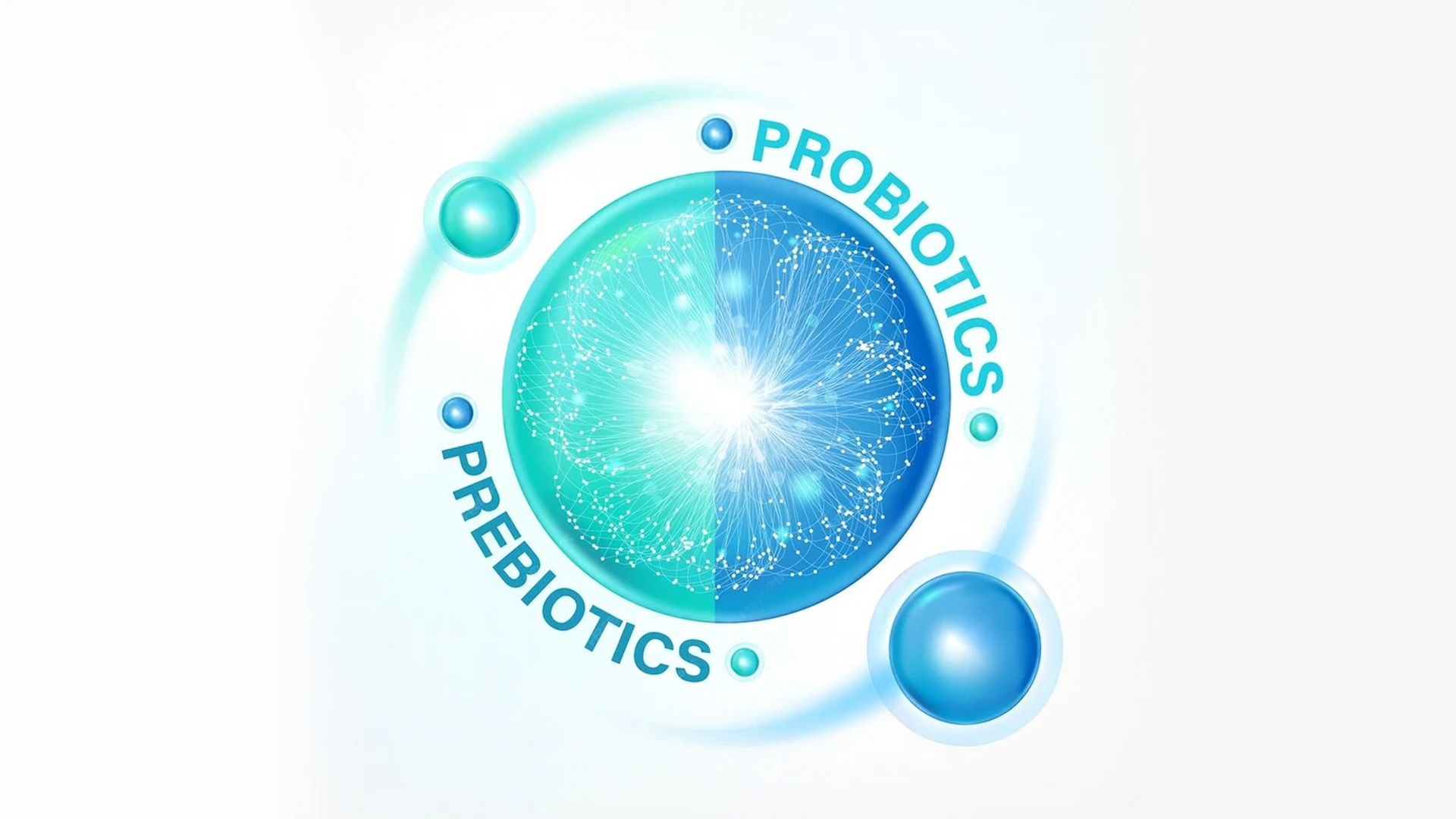
Fermented foods are nature's probiotic powerhouses. Yogurt with live cultures, kefir, sauerkraut, kimchi, and miso deliver beneficial bacteria directly to your gut. The probiotics benefits extend beyond digestion—these foods can improve immune function, reduce inflammation, and even support mental health through the gut-brain connection.
Prebiotics foods are essentially fertilizer for your good gut bacteria. Garlic, onions, bananas, asparagus, and Jerusalem artichokes contain special fibers that beneficial bacteria love to eat. When you consistently feed these microorganisms, they multiply and crowd out harmful bacteria naturally.
Different types of fiber support different bacterial strains. Soluble fiber from oats and beans feeds specific beneficial bacteria, while insoluble fiber from vegetables and whole grains promotes healthy bowel movements. Aim for 25-35 grams daily from varied plant sources to maximize microbiome diversity.
While food sources are ideal, targeted probiotic supplements can help restore balance after antibiotic treatment or during times of stress. Look for multi-strain formulas with at least 10 billion CFUs and choose brands that guarantee potency through expiration date.
Your daily habits profoundly impact your gut bacteria. These lifestyle modifications work synergistically with dietary changes to create an environment where beneficial microorganisms flourish.
Chronic stress literally reshapes your gut microbiome, favoring harmful bacteria over beneficial ones. The stress hormone cortisol disrupts the intestinal barrier and alters bacterial composition. Regular meditation, deep breathing exercises, and adequate rest help maintain the delicate balance your gut bacteria need to thrive.
Your gut bacteria follow circadian rhythms just like you do. Poor sleep disrupts these natural cycles, leading to decreased microbiome diversity and impaired digestive function. Aim for 7-9 hours of consistent, quality sleep to support optimal gut health.
Physical activity increases microbiome diversity and promotes the growth of beneficial bacteria. Even moderate exercise like walking stimulates gut motility and enhances the production of short-chain fatty acids. Aim for at least 150 minutes of moderate activity weekly.
Water supports every aspect of digestive function, from saliva production to nutrient absorption. Proper hydration maintains the mucus layer that protects your intestinal lining and helps beneficial bacteria adhere to gut walls. Drink half your body weight in ounces daily for optimal hydration.
Sometimes gut healing requires removing harmful influences while actively supporting repair mechanisms. These protective strategies help restore gut barrier function and create lasting digestive wellness.
Ultra-processed foods feed harmful bacteria while starving beneficial ones. High sugar intake promotes the growth of pathogenic bacteria that can damage your intestinal lining. Focus on whole foods and limit added sugars to less than 25 grams daily to maintain healthy bacterial balance.
While antibiotics save lives when necessary, overuse can devastate your gut microbiome. These medications don't discriminate between harmful and beneficial bacteria. If you must take antibiotics, support recovery with probiotics and prebiotics foods during and after treatment.
Leaky gut occurs when your intestinal barrier becomes compromised, allowing toxins and undigested food particles to enter your bloodstream. Bone broth, zinc, and omega-3 fatty acids support gut barrier integrity. Our Outshine Omega 3 provides the highest concentration of these essential fats to support intestinal healing.
Irritable bowel syndrome and chronic bloating often stem from microbiome imbalances. Identifying trigger foods, managing stress, and supporting beneficial bacteria can provide significant bloating relief. Consider working with a healthcare provider for persistent symptoms.
How you eat matters as much as what you eat. Chewing thoroughly, eating slowly, and avoiding distractions during meals optimize digestive enzyme production and nutrient absorption. This simple practice can dramatically improve digestive wellness without changing your diet.
Most people notice digestive improvements within 2-4 weeks of implementing gut-healthy strategies. However, significant microbiome changes can take 3-6 months of consistent effort. Factors like starting health status, diet quality, and lifestyle habits influence the timeline.
Absolutely. Chronic stress alters gut bacteria composition within days, reducing beneficial species and increasing harmful ones. The gut-brain axis means that mental stress directly impacts digestive health through hormonal and neural pathways.
Fermented foods are excellent for maintaining gut health, but supplements can be beneficial during times of stress, illness, or after antibiotic treatment. They provide targeted strains in therapeutic doses that may be difficult to achieve through food alone.
About 70% of your immune system resides in your gut. Beneficial bacteria train immune cells, produce antimicrobial compounds, and maintain the intestinal barrier that prevents pathogens from entering your bloodstream. A healthy microbiome equals stronger immunity.
Yes, your microbiome is remarkably resilient and can recover with consistent healthy choices. While some changes occur quickly, rebuilding diversity and optimal function takes time. The key is patience and consistency with gut-supporting strategies.
Your gut microbiome is a dynamic ecosystem that responds to your daily choices. These 13 strategies work synergistically to create an environment where beneficial bacteria thrive and digestive wellness flourishes. Start with 2-3 methods that resonate with your lifestyle, then gradually incorporate others as habits solidify.
Remember that gut health is a journey, not a destination. Small, consistent changes compound over time to create lasting improvements in digestion, immunity, and overall wellbeing. Your gut bacteria are your allies in health—treat them well, and they'll return the favor with optimal digestive function and vibrant wellness.


Someone sent you
Powered by ReferRush