


13 Dairy-Free Protein Sources for Lactose Intolerance Relief

Get personalised recommendations with our assessment.
Personalised Health Diagnosis (PHD)
Nearly 70% of the global population struggles with lactose intolerance, with rates soaring even higher in India. If you're among those who experience digestive discomfort after consuming dairy, you've probably wondered how to maintain adequate protein intake without the bloating, gas, and stomach pain. The good news? There's a whole world of dairy-free protein sources that can fuel your body without triggering lactose intolerance symptoms. From plant-powered options to carefully processed alternatives, these 13 protein sources will revolutionize your approach to nutrition while keeping your gut health in check.
Lactose intolerance occurs when your body lacks sufficient lactase enzyme to break down lactose, the sugar found in milk and dairy products. This digestive challenge affects your ability to process traditional protein sources like milk, yogurt, and cheese.
When lactose reaches your large intestine undigested, it ferments and creates gas, bloating, diarrhea, and abdominal pain. These lactose intolerance symptoms can range from mild discomfort to severe digestive distress. Unlike a dairy allergy, which involves the immune system, lactose intolerance is purely a digestive issue that impacts your gut health and overall comfort.
Adults need approximately 0.8 grams of protein per kilogram of body weight daily. Active individuals require even more. The challenge isn't just meeting these numbers—it's ensuring you get complete amino acid profiles that support muscle maintenance, immune function, and metabolic health without relying on dairy sources.
Plant proteins offer incredible versatility and often come packed with additional nutrients like fiber, antioxidants, and healthy fats. These options form the foundation of any successful lactose-free diet.
Legumes deliver impressive protein content—black beans provide 15 grams per cup, while lentils offer 18 grams. When combined with grains, they create complete amino acid profiles that rival any animal protein.
This ancient grain contains all nine essential amino acids, making it a rare complete plant protein. One cup of cooked quinoa provides 8 grams of protein plus fiber for optimal digestive health.
Hemp seeds pack 10 grams of protein per 3 tablespoons, while chia seeds offer 5 grams plus omega-3 fatty acids. These tiny nutritional powerhouses blend seamlessly into smoothies and yogurt alternatives.
For those who prefer animal proteins, several dairy alternatives provide complete amino acid profiles without lactose concerns. These options often offer superior bioavailability compared to plant sources.
Eggs contain the highest biological value of any whole food protein. Two large eggs provide 12 grams of complete protein plus essential vitamins and minerals that support overall health.
Salmon, tuna, and sardines offer 20-25 grams of protein per 3.5-ounce serving. These lean options also provide omega-3 fatty acids that support heart and brain health while being naturally lactose-free.
Chicken breast delivers 31 grams of protein per 100 grams, making it one of the most efficient protein sources available. Turkey offers similar benefits with slightly different nutrient profiles.
Protein supplements can bridge nutritional gaps when whole food sources aren't sufficient. Modern processing techniques have created options that even lactose-intolerant individuals can tolerate.
Whey protein isolate undergoes extensive filtration that removes virtually all lactose. This makes it suitable for many people with lactose intolerance, though individual tolerance varies. Our DAILY, INTENSE, and Unflavoured protein options use this advanced processing to ensure maximum digestibility.
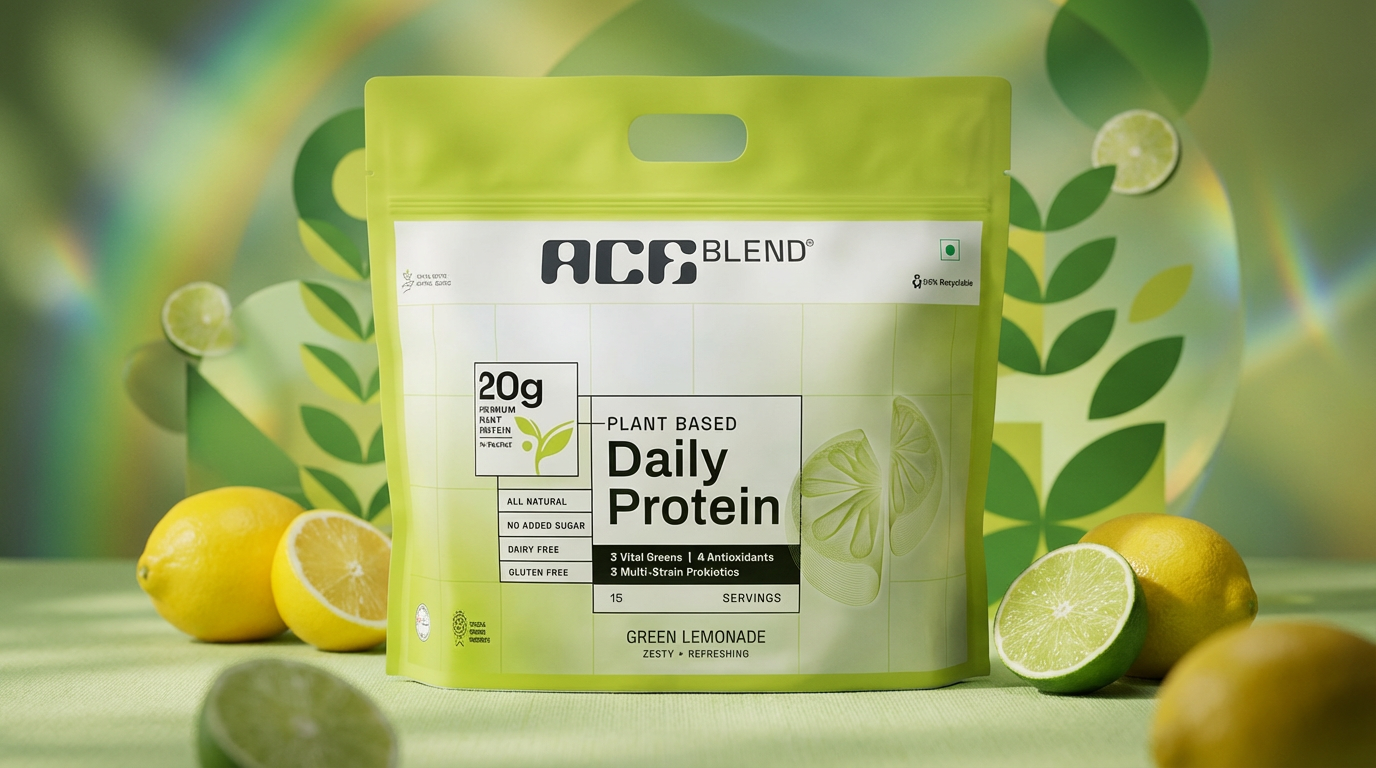
Pea, rice, and hemp protein combinations create complete amino acid profiles in convenient powder form. These options blend well and provide 20-30 grams of protein per serving without any dairy concerns.
Success with dairy-free protein requires strategic meal planning and understanding how different sources work together. The key lies in variety and proper timing throughout your day.
Start with protein-rich breakfasts using eggs or plant-based smoothies. Include legumes or lean meats at lunch, and finish with fish or poultry at dinner. This distribution ensures steady amino acid availability for muscle protein synthesis.
Combine rice and beans, or nuts with whole grains to create complete proteins. These traditional food pairings have sustained cultures worldwide and provide all essential amino acids your body needs.
Optimal gut health extends beyond avoiding lactose. Understanding how different proteins affect your digestive system helps you make informed choices for long-term wellness.
Some individuals with lactose intolerance also experience small intestinal bacterial overgrowth (SIBO). Plant proteins with high fiber content can sometimes exacerbate these conditions, making easily digestible options like fish or properly processed whey isolate more suitable.
Introduce new protein sources gradually to assess individual tolerance. Your digestive system adapts over time, and what initially causes discomfort may become well-tolerated with proper introduction.
The best protein depends on your individual needs and preferences. Eggs offer complete amino acids with high bioavailability. Fish provides protein plus omega-3s. Plant combinations like rice and beans create complete profiles. For convenience, whey protein isolate or plant-based protein powders work well.
Lactose-free milk contains the same sugars as regular milk—lactose is simply pre-broken down into glucose and galactose. This can actually cause faster blood sugar rises than regular milk in some people. Consider unsweetened plant milks for better blood sugar control.
While lactose intolerance itself doesn't cause pancreatitis, chronic digestive inflammation from continued dairy consumption can contribute to various gut health issues. Some research suggests connections between lactose intolerance and SIBO, though more studies are needed.
Adults need 0.8-1.2 grams per kilogram of body weight, with active individuals requiring up to 2 grams per kilogram. Focus on spreading intake throughout the day and combining different sources for complete amino acid profiles.
Managing lactose intolerance and dairy-free protein intake doesn't mean compromising your nutrition goals. These 13 protein sources—from plant powerhouses like quinoa and legumes to animal alternatives like eggs and fish—provide complete nutrition without digestive distress. The secret lies in variety, proper combinations, and understanding your individual tolerance levels. Whether you choose whole foods or convenient supplements like our plant-based protein options, maintaining adequate protein intake supports your health goals while respecting your digestive needs. Start with one or two new sources, monitor your body's response, and gradually build a diverse protein portfolio that fuels your best life.


Someone sent you
Powered by ReferRush