


11 Ways Prebiotics & Probiotics Boost Gut Health

Get personalised recommendations with our assessment.
Personalised Health Diagnosis (PHD)
Your gut houses trillions of bacteria that influence everything from digestion to immunity to mental clarity. But here's what most people miss: it's not just about adding good bacteria to your system. The real game-changer lies in understanding how prebiotics and probiotics for gut health work together as a dynamic duo. Think of probiotics as the beneficial tenants and prebiotics as their favorite food—when you get this combination right, your entire digestive ecosystem transforms.
The science is clear: a balanced microbiome doesn't just improve digestion. It strengthens immunity, supports mental well-being, and even influences weight management. Yet most approaches focus on just one piece of the puzzle. We're about to change that narrative with 11 evidence-backed ways this powerful combination revolutionizes your gut health.
Let's cut through the confusion. Probiotics are live beneficial bacteria that populate your gut microbiome—think of them as the good guys setting up shop in your digestive tract. Prebiotics, on the other hand, are specialized plant fibers that act as food for these beneficial bacteria. They're non-digestible compounds that pass through your upper digestive tract unchanged, reaching your colon where they feed the good gut bacteria.
Here's where it gets interesting: when you combine both, you create what scientists call synbiotics—a powerful partnership that enhances gut flora balance more effectively than either component alone. The key difference? Probiotics add new bacteria to your system, while prebiotics nourish the beneficial bacteria already living there.
Your gut isn't just a simple tube for processing food. It's a complex ecosystem where billions of microorganisms work together to support your overall health. Without proper nourishment from prebiotics, even the best probiotic supplements can't establish lasting colonies in your digestive tract.
The research on prebiotics and probiotics for gut health reveals benefits that extend far beyond basic digestion. These compounds work at the cellular level to optimize your body's most fundamental processes. Let's explore how this dynamic duo transforms your health from the inside out.
Each benefit builds on the others, creating a cascade of positive effects throughout your body. From immediate digestive relief to long-term immune support, here's what happens when you get this combination right.
Antibiotics don't discriminate—they wipe out both harmful and beneficial bacteria. Studies show that a single course of antibiotics can reduce gut bacteria diversity by up to 25%, with some strains taking months to recover. Probiotics help rebuild these beneficial populations, while prebiotics provide the fuel needed for rapid recolonization.
When your gut flora is balanced, food breakdown becomes more efficient. Beneficial bacteria produce enzymes that help digest complex carbohydrates and proteins, reducing the gas and bloating that come from undigested food particles. The result? Better nutrient absorption and significantly less digestive discomfort.
Here's a fact that might surprise you: approximately 70% of your immune cells reside in your gut. A healthy microbiome trains your immune system to distinguish between harmful pathogens and beneficial substances, reducing both infections and autoimmune responses.
Your gut produces more neurotransmitters than your brain, including 90% of your body's serotonin. Research shows that specific probiotic strains can reduce anxiety and depression symptoms by modulating this gut-brain axis. Prebiotics support this process by maintaining stable bacterial populations.
Beneficial bacteria don't just break down food—they synthesize essential vitamins like B12, folate, and vitamin K. They also produce short-chain fatty acids that fuel your intestinal cells and improve the absorption of minerals like calcium and magnesium.
Fiber from prebiotic sources adds bulk to stool while beneficial bacteria produce compounds that stimulate healthy gut motility. This natural approach to regularity is gentler and more sustainable than harsh laxatives.
Chronic inflammation starts in the gut when harmful bacteria outnumber beneficial ones. Probiotics produce anti-inflammatory compounds while prebiotics help maintain the gut barrier that prevents inflammatory substances from entering your bloodstream.
Your microbiome influences how your body stores fat and regulates hunger hormones. Certain probiotic strains have been shown to support healthy weight management, while prebiotic fiber increases satiety and helps regulate blood sugar levels.
The gut-skin axis is real—inflammatory skin conditions often improve when gut health is optimized. Beneficial bacteria reduce systemic inflammation that can manifest as acne, eczema, or premature aging.
Many digestive enzymes are produced by gut bacteria. A diverse microbiome can help break down lactose and other potentially problematic compounds, reducing food sensitivities and improving overall digestive tolerance.
Beneficial bacteria create an inhospitable environment for harmful microorganisms through competitive exclusion and the production of natural antimicrobial compounds. This biological defense system is your first line of protection against foodborne illnesses and infections.
While supplements have their place, food-based sources of prebiotics and probiotics offer additional nutrients and compounds that support overall health. The key is understanding which foods provide the most beneficial strains and prebiotic compounds. Real food sources also tend to be gentler on your system, reducing the risk of digestive upset during the adjustment period.
The most effective approach combines both categories daily, creating a steady supply of beneficial bacteria and the fuel they need to thrive.
Traditional fermented foods contain diverse strains of beneficial bacteria that have been supporting human health for thousands of years. Look for yogurt with live active cultures, unpasteurized sauerkraut and kimchi, kombucha with minimal added sugars, and fermented soy products like miso and tempeh.
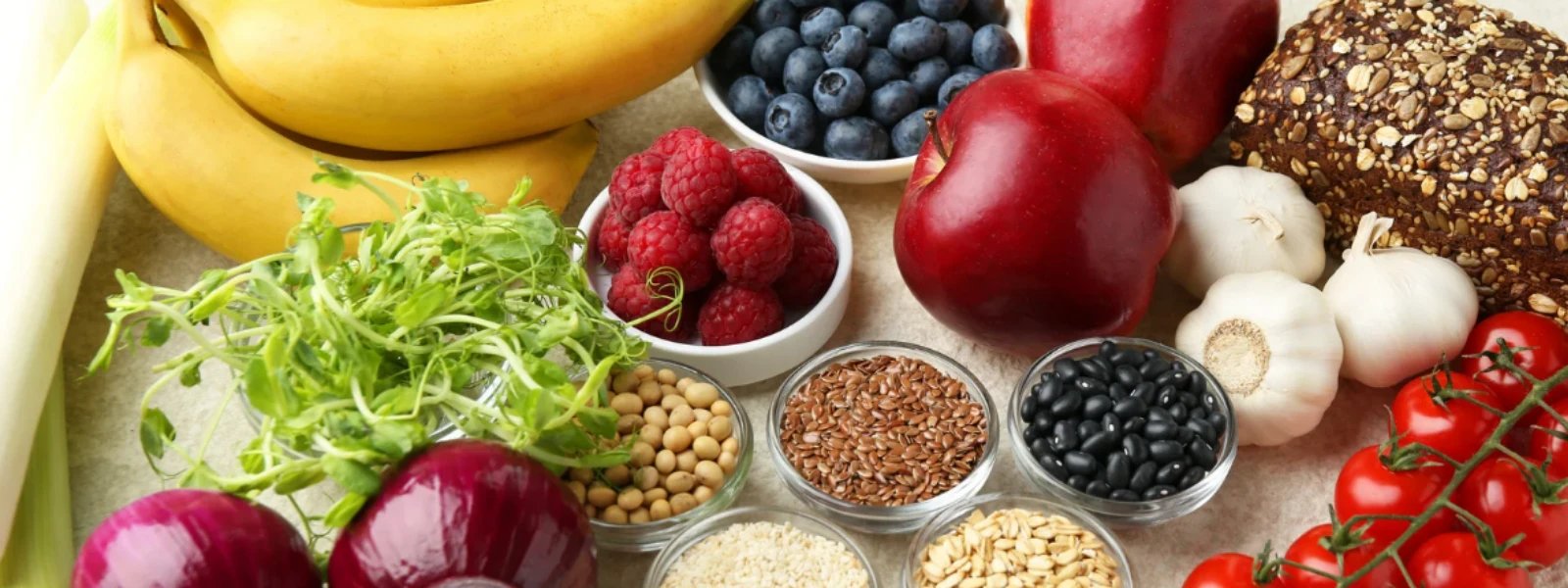
The most potent prebiotic foods include slightly green bananas, berries rich in pectin, garlic and onions containing inulin, oats with beta-glucan fiber, ground flaxseeds, Jerusalem artichokes, and asparagus. These foods provide different types of prebiotic compounds that feed various beneficial bacterial strains.
Create powerful synbiotic meals by combining probiotic and prebiotic foods. Try Greek yogurt topped with berries and ground flaxseed, sauerkraut served with fiber-rich vegetables, or kombucha paired with prebiotic-rich snacks like apple slices or oat crackers.
Food sources should be your foundation, but gut health supplements can provide targeted support in specific situations. The key is understanding when supplementation makes sense and how to choose quality products that deliver real results. Not all supplements are created equal, and the supplement industry is notorious for products that don't contain what's listed on the label.
Consider supplements during post-antibiotic recovery, when dealing with chronic digestive issues, or if your diet lacks variety due to travel or lifestyle constraints.
Look for products with clearly listed CFU (colony-forming unit) counts, multiple strains rather than single-strain formulas, third-party testing for purity and potency, and proper packaging that protects against heat and moisture. Avoid products with unnecessary fillers or artificial additives.
Quality prebiotic supplements should contain clinically studied compounds like inulin, FOS (fructooligosaccharides), or GOS (galactooligosaccharides). Start with lower doses to assess tolerance, as prebiotic supplements can cause temporary digestive upset if introduced too quickly.
While prebiotics and probiotics are generally safe for healthy individuals, some people experience temporary side effects as their microbiome adjusts. Understanding what to expect and how to minimize discomfort can help you stick with your gut health protocol long enough to see real benefits. Most side effects are actually positive signs that beneficial changes are occurring in your digestive system.
The key is starting slowly and allowing your system time to adapt to the increased bacterial activity and fiber intake.
Temporary bloating and gas from prebiotic foods is normal as beneficial bacteria increase their activity. This adjustment period typically lasts 1-2 weeks. Gradual introduction—starting with small amounts and slowly increasing—can minimize these effects.
Severely immunocompromised individuals should consult healthcare providers before starting probiotic supplements. Those with serious underlying conditions like severe pancreatitis or recent major surgery may need medical supervision. Always check for potential interactions with medications.
The best combination depends on your individual needs, but research supports multi-strain probiotic formulas paired with diverse prebiotic sources. Look for products containing Lactobacillus and Bifidobacterium strains combined with inulin or FOS. Food-based approaches using fermented foods with high-fiber meals often provide the most comprehensive benefits.
Extensive research confirms that prebiotics and probiotics for gut health provide significant benefits for most people. Studies show improvements in digestive health, immune function, and even mental well-being. However, individual responses vary, and quality matters significantly when choosing supplements.
Yes, taking them together creates synbiotic effects that are more powerful than either alone. Prebiotics help probiotic bacteria establish and maintain colonies in your gut. The timing can be flexible—some prefer taking them together, while others space them throughout the day.
Key warning signs include persistent digestive symptoms like bloating and irregular bowel movements, chronic fatigue and low energy, mood changes and mental fog, frequent infections indicating poor immunity, inflammatory skin conditions, food intolerances and sensitivities, and sleep disturbances with poor recovery.
Most people notice initial improvements in digestion within 1-2 weeks, with more significant changes in energy and immunity appearing after 4-6 weeks. Full microbiome rebalancing can take 2-3 months of consistent use. Individual factors like diet, stress levels, and starting gut health affect the timeline.
The science is clear: prebiotics and probiotics for gut health work best as a team. While probiotics introduce beneficial bacteria, prebiotics ensure they have the fuel needed to thrive and multiply. This synergistic approach addresses gut health at its foundation, creating lasting improvements that extend far beyond digestion.
Start with food-based sources, introduce changes gradually, and consider quality supplements when needed. Remember that building a healthy microbiome is a marathon, not a sprint. Consistency matters more than perfection, and the benefits compound over time. Your gut—and your entire body—will thank you for taking this comprehensive approach to digestive health.


Someone sent you
Powered by ReferRush