


100 gm Sattu Protein: Complete Nutrition Guide

Get personalised recommendations with our assessment.
Personalised Health Diagnosis (PHD)
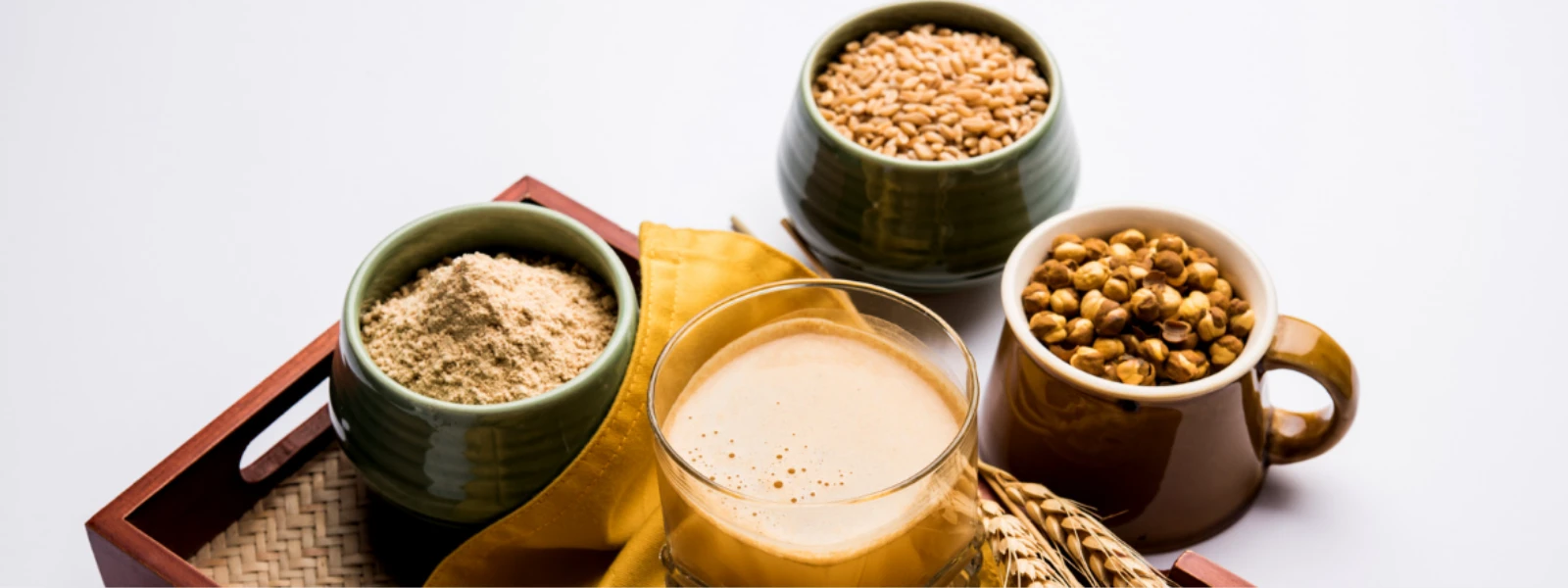
Sattu has quietly emerged as one of India's most underrated nutritional powerhouses. This traditional roasted gram flour packs an impressive protein punch that rivals many modern supplements. When you're looking at 100 gm sattu protein content, you're examining a complete nutritional profile that goes far beyond just muscle building. The ancient wisdom of incorporating sattu into daily diets is now backed by modern science, revealing benefits that extend from gut health to metabolic optimization. Understanding the exact nutritional breakdown of 100 grams of sattu helps you make informed decisions about portion sizes, meal planning, and health goals.
When analyzing 100 gm sattu protein, you'll find approximately 20-26 grams of high-quality plant protein. This variation depends on the base ingredients used in preparation. Traditional chana-based sattu typically contains around 24-26 grams of protein per 100 grams, while mixed grain versions may have slightly lower protein content.
Sattu provides a well-balanced amino acid profile, though it's not technically a complete protein like quinoa or soy. The protein bioavailability is enhanced when combined with complementary foods like dairy or other grains throughout the day.
Compared to other plant-based protein sources, sattu holds its ground impressively. Lentils provide about 25 grams per 100 grams, while chickpea flour offers around 22 grams. The advantage of sattu lies in its pre-roasted nature, making it easier to digest and absorb.
The sattu nutrition facts reveal a nutrient-dense profile that extends well beyond protein content. Per 100 grams, sattu delivers approximately 380-400 calories, making it an energy-dense food perfect for active individuals.
The macronutrient breakdown per 100 grams includes:
• Protein: 20-26 grams
• Carbohydrates: 58-65 grams
• Dietary fibre: 8-12 grams
• Fat: 4-6 grams
• Natural sugars: 8-10 grams
Sattu is rich in essential minerals including iron, magnesium, phosphorus, and potassium. It also provides B-complex vitamins, particularly folate and niacin, which support energy metabolism and nervous system function.
The sattu protein benefits extend far beyond muscle building, particularly when it comes to digestive wellness and metabolic function. The high fibre content in sattu acts as a prebiotic, feeding beneficial gut bacteria and promoting a healthy microbiome.
The combination of soluble and insoluble fibre in sattu promotes regular bowel movements and helps maintain gut barrier integrity. This fibre content also slows down sugar absorption, preventing blood glucose spikes.
Protein has the highest thermic effect among macronutrients, meaning your body burns more calories digesting protein compared to carbs or fats. Regular sattu consumption can boost your metabolic rate by 15-30% for several hours after eating.
The complex carbohydrates and protein in sattu work together to provide sustained energy release. This helps maintain stable blood sugar levels, reducing cravings and supporting weight management goals.
Using sattu for weight loss requires understanding portion control and timing. The high protein and fibre content creates lasting satiety, naturally reducing overall calorie intake when used strategically.
For weight loss, consuming 30-50 grams of sattu daily can help control appetite while maintaining muscle mass. The protein content supports lean muscle retention during caloric restriction, which is crucial for maintaining metabolic rate.
Those looking to gain lean muscle can increase their sattu intake to 75-100 grams daily, spread across multiple meals. Combining sattu with resistance training maximizes its muscle-building potential.
Start with 25-30 grams daily and gradually increase based on your goals and tolerance. Monitor your body's response, particularly digestive comfort, as you adjust portions.
Creating the perfect sattu drink recipe involves balancing taste, nutrition, and digestibility. Traditional preparations have been refined over generations to maximize both flavor and health benefits.
Mix 30 grams of sattu with 250ml cold water, add a pinch of rock salt, roasted cumin powder, and fresh lemon juice. This traditional recipe provides instant hydration and sustained energy.
Combine 25 grams sattu with 200ml water, add a teaspoon of honey and a pinch of pink salt. This creates an ideal pre-workout drink that provides sustained energy without digestive discomfort.
Blend 35 grams sattu with 250ml milk or plant-based milk alternative, add a banana and a teaspoon of ghee. This combination supports muscle recovery and replenishes glycogen stores.
Selecting high-quality organic sattu protein ensures you're getting maximum nutritional benefits without harmful additives or pesticide residues. The source and processing methods significantly impact the final product quality.
Organic sattu is produced without synthetic pesticides, fertilizers, or GMOs. This not only reduces your exposure to harmful chemicals but often results in higher nutrient density compared to conventional varieties.
Look for sattu with a fresh, nutty aroma and uniform color. Avoid products with musty smells or visible moisture, which indicate poor storage or processing. The texture should be fine and free-flowing.
Choose brands that provide clear information about ingredient sourcing and processing methods. Single-origin sattu often offers more consistent quality and flavor profiles.
100 grams of sattu contains approximately 20-26 grams of protein, depending on the specific grain composition. Chana-based sattu typically has higher protein content compared to mixed grain varieties.
While 100 grams of sattu daily is generally safe for healthy adults, it's best to start with smaller amounts (30-50 grams) and gradually increase. Monitor your digestive response and ensure adequate water intake.
Sattu protein benefits include muscle building support, improved satiety for weight management, enhanced digestive health through fibre content, and sustained energy release for better metabolic function.
Sattu contains both soluble and insoluble fibre that acts as prebiotic food for beneficial gut bacteria. This promotes a healthy microbiome, improves digestion, and supports immune function.
Sattu drinks work well as morning energy boosters, pre-workout fuel, or afternoon snacks. Avoid consuming large amounts close to bedtime as the protein content may interfere with sleep quality.
Organic sattu offers reduced pesticide exposure and often higher nutrient density. For regular consumers, the health benefits typically justify the additional cost, especially when considering long-term wellness goals.
Sattu can partially replace protein supplements for many people, especially those following plant-based diets. However, it provides additional carbohydrates and calories that pure protein powders don't contain.
Store sattu in an airtight container in a cool, dry place away from direct sunlight. Properly stored sattu maintains quality for 6-8 months. Refrigeration can extend shelf life in humid climates.
Understanding 100 gm sattu protein content empowers you to make informed nutritional choices that align with your health goals. With 20-26 grams of plant-based protein per 100 grams, sattu offers a sustainable, affordable alternative to processed protein supplements. The additional benefits of fiber, minerals, and complex carbohydrates make it a complete nutritional package rather than just a protein source. Whether you're focused on weight management, muscle building, or general wellness, sattu's versatility allows for creative incorporation into your daily routine. Start with smaller portions, listen to your body's response, and gradually increase intake as you experience the sustained energy and digestive benefits that quality sattu provides.


Someone sent you
Powered by ReferRush