


Vegetarian Protein: Your Complete Guide to Nutrition

Get personalised recommendations with our assessment.
Personalised Health Diagnosis (PHD)
The vegetarian protein conversation has shifted dramatically. Gone are the days when plant-based eaters had to defend their protein choices or worry about muscle-building potential. Today's science reveals that the best protein for vegetarian diet plans can rival—and often surpass—traditional animal sources in both quality and health benefits. Whether you're transitioning to plant-based nutrition or optimizing your current vegetarian lifestyle, understanding protein fundamentals isn't just helpful—it's game-changing for your health goals.
Protein science for vegetarians goes deeper than simple gram counting. Your body needs all nine essential amino acids to function optimally, and the strategic approach to getting them makes all the difference.
Complete proteins contain all essential amino acids in optimal ratios. While animal products naturally provide complete proteins, vegetarian protein sources can achieve the same through smart combinations. Soy, quinoa, and hemp are naturally complete, while rice-and-dal combinations create complete amino acid profiles when consumed together.
Vegetarians need 0.8-2.2 grams of protein per kilogram of body weight, depending on activity levels. Sedentary adults require the lower end, while athletes and muscle-builders need the higher range. A 70kg person needs 56-154 grams daily—easily achievable with strategic planning.
Plant based protein absorption varies significantly. Soy protein matches animal protein bioavailability at 90-95%, while legumes range from 70-80%. Sprouting, fermentation, and proper food combinations enhance absorption rates dramatically.
Not all high protein vegetarian foods are created equal. Understanding protein density helps optimize your daily intake without excessive calories.
Soy chunks lead the pack with 52g protein per 100g—higher than most meats. Tempeh delivers 19g per 100g with added probiotics, while firm tofu provides 15-20g per 100g. Seitan offers 21g per 100g, making it a muscle-builder's dream. Paneer contains 18-20g per 100g, and Greek yogurt provides concentrated protein at 10g per 100g. These dairy options offer complete protein vegetarian sources with excellent bioavailability.
Lentils, chickpeas, and kidney beans provide 6-9g per half-cup serving. Nuts like peanuts (26g/100g) and almonds (21g/100g) offer protein plus healthy fats. Quinoa stands out among grains with complete amino acid profiles.
Indian cuisine naturally creates complete proteins through traditional combinations. Dal-chawal, rajma-rice, and chole-bhature aren't just delicious—they're scientifically sound protein strategies.
Creating complete amino acid profiles through food combinations is both art and science. Traditional cuisines worldwide have mastered this without knowing the biochemistry behind it.
This classic combination provides all essential amino acids. Rice supplies methionine while dal contributes lysine—together creating a complete protein superior to many single sources. One cup of this combination delivers 12-15g complete protein.
Chickpeas paired with tahini create complete proteins, enhanced further when eaten with whole grain pita or bread. This Mediterranean approach provides 8-10g complete protein per serving.
Peanut butter on whole grain bread isn't just comfort food—it's complete protein. Two tablespoons of peanut butter with two slices of whole grain bread provide 12-14g complete protein.
Sprouting increases protein content by 15-30% while improving digestibility. Fermented foods like tempeh and idli enhance amino acid availability and add beneficial probiotics.
India's vegetarian heritage offers countless protein for vegetarians solutions that are both culturally relevant and nutritionally complete.
North Indian cuisine emphasizes dairy proteins through paneer, lassi, and curd-based dishes. South Indian traditions focus on fermented proteins through idli, dosa, and sambhar combinations. Both approaches effectively meet protein requirements.
Dal varieties cost under ₹100 per kg while providing 20-25g protein per 100g. Peanuts offer 26g protein per 100g at affordable prices. Soy chunks provide premium protein at budget-friendly costs.
Monsoon brings fresh legumes and sprouting opportunities. Winter offers nuts and seeds at peak quality. Summer provides abundant dairy options and fresh vegetables for protein-rich salads.
Khichdi combines rice and lentils for complete protein. Poha with peanuts creates balanced amino acid profiles. Upma with vegetables and nuts provides sustained protein release.
While whole foods should form your protein foundation, vegetarian protein supplements can bridge gaps and optimize timing for specific goals.
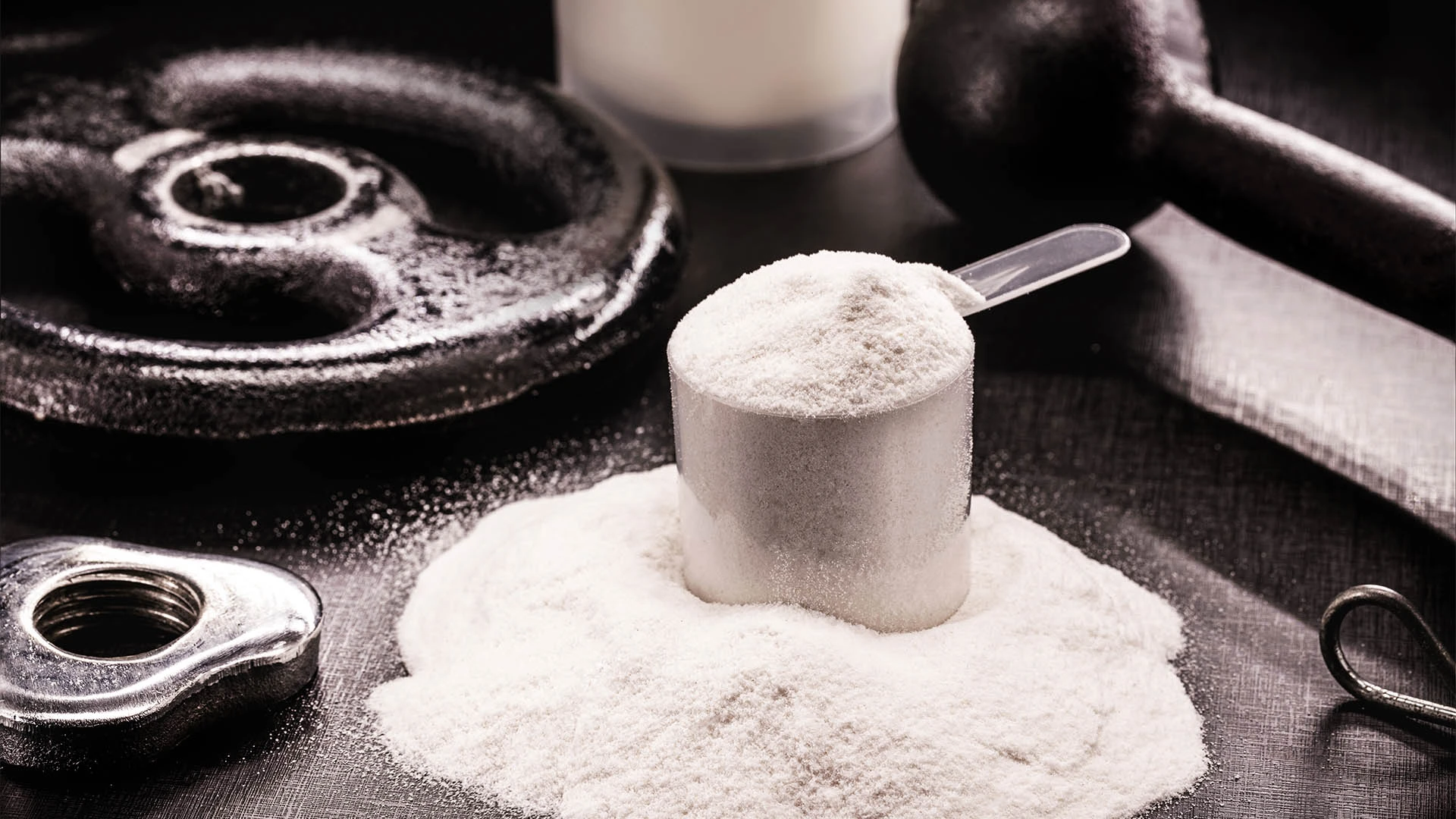
Pea protein offers excellent amino acid profiles with 85% bioavailability. Hemp protein provides complete amino acids plus omega fatty acids. Rice protein, while incomplete alone, combines well with pea protein for optimal results. Soy protein remains the gold standard for vegetarian supplements, matching whey protein in muscle-building effectiveness. Our protein offerings provide complete amino acid profiles with superior taste and digestibility.
Post-workout protein windows benefit from quick-absorbing supplements. Pre-workout protein supports sustained energy. Between-meal supplementation prevents muscle breakdown during longer fasting periods.
Look for third-party testing, minimal processing, and complete amino acid profiles. Avoid artificial fillers, excessive sugars, and unpronounceable ingredient lists. Clean labels indicate quality manufacturing.
Consistent protein rich vegetarian meals require strategic planning but become second nature with practice.
Greek yogurt with nuts and seeds provides 20-25g protein. Protein smoothies with plant-based powder deliver 25-30g. Sprouted moong cheela offers 15-18g protein with complex carbohydrates.
Quinoa salad with chickpeas and tahini dressing provides 18-22g protein. Paneer wrap with vegetables delivers 20-25g protein. Lentil soup with whole grain bread offers 15-20g protein.
Tofu stir-fry with vegetables provides 25-30g protein. Dal-rice combinations with added nuts deliver 20-25g protein. Tempeh curry with quinoa offers 28-32g protein.
Roasted chickpeas provide 6g protein per quarter cup. Nut butter with apple slices offers 8-10g protein. Protein smoothies between meals add 15-20g protein.
Soy chunks contain the highest protein concentration at 52g per 100g, followed by seitan at 21g per 100g. These processed plant proteins exceed most animal sources in protein density.
Complete proteins from soy, quinoa, and strategic combinations work best. Combining rice with legumes, nuts with grains, or using naturally complete sources ensures optimal amino acid profiles.
Combine protein-rich meals throughout the day: Greek yogurt breakfast (20g), quinoa-chickpea lunch (20g), tofu dinner (25g), plus snacks (5g) easily reaches 70g daily.
Research confirms vegetarians build muscle as effectively as omnivores when protein intake and timing are optimized. Plant proteins support muscle synthesis when consumed in adequate amounts.
High-quality vegetarian protein powders, particularly soy and pea protein blends, match whey protein effectiveness for muscle building and recovery when amino acid profiles are complete.
Fatigue, slow wound healing, frequent infections, and muscle weakness indicate potential protein deficiency. Hair thinning and brittle nails also signal inadequate protein intake.
Vegetarian protein optimization isn't about restriction—it's about strategic abundance. The best protein for vegetarian diet plans combine whole food sources with smart supplementation when needed. Traditional food combinations provide complete amino acid profiles, while modern processing creates convenient protein-dense options. Success lies in variety, timing, and consistency. Whether you're building muscle, maintaining health, or optimizing performance, vegetarian proteins offer everything your body needs. The key is understanding which sources work best for your lifestyle and goals, then implementing them systematically. Your protein journey doesn't require compromise—it requires knowledge. Armed with these strategies, you can confidently meet any protein goal while enjoying the health benefits that plant-based nutrition provides.


Someone sent you
Powered by ReferRush