


Indian Keto Diet Plan: Your FAQ Guide

Get personalised recommendations with our assessment.
Personalised Health Diagnosis (PHD)
The ketogenic diet has swept across the globe, but adapting it to Indian cuisine presents unique opportunities and challenges. Unlike Western approaches that rely heavily on cheese and processed meats, an Indian keto diet plan leverages traditional spices, cooking methods, and locally available ingredients to create a sustainable low-carb lifestyle.
The beauty lies in transforming beloved Indian flavors into fat-burning powerhouses while maintaining the rich culinary heritage that makes our food culture so vibrant. Whether you're a strict vegetarian or enjoy non-vegetarian options, the Indian approach to keto offers flexibility without compromising on taste or nutrition.
The keto diet India adaptation goes beyond simply cutting carbs—it's about reimagining traditional Indian meals through a metabolic lens. This approach typically involves consuming 70-75% of calories from healthy fats, 20-25% from protein, and just 5-10% from carbohydrates. What sets the Indian version apart is the emphasis on traditional fats like ghee, mustard oil, and coconut oil, which have been staples in Indian kitchens for centuries.
Unlike restrictive Western keto plans, the Indian approach celebrates bold flavors and aromatic spices that naturally support metabolic health. Turmeric, cumin, coriander, and fenugreek aren't just flavor enhancers—they're metabolic allies that can support ketosis and overall wellness.
Indian metabolisms often respond differently to macronutrient ratios due to genetic factors and traditional dietary patterns. Most Indians thrive on a slightly higher protein intake than standard keto recommendations, typically around 25-30% of total calories. This adjustment accounts for the predominantly vegetarian population and helps maintain muscle mass during weight loss.
The ketogenic diet India approach respects cultural eating patterns while delivering results. Family meals remain inclusive, and traditional cooking methods like tempering (tadka) with ghee actually enhance the fat content needed for ketosis.
Navigating a vegetarian keto diet plan requires strategic planning but offers incredible variety when done correctly. Vegetarian keto relies heavily on paneer, full-fat dairy, nuts, seeds, and low-carb vegetables. The key is ensuring adequate protein intake without relying on high-carb legumes that traditionally form the protein base of Indian vegetarian diets. Non-vegetarian options provide more flexibility with chicken, mutton, fish, and eggs forming the protein foundation. However, both approaches can be equally effective when properly planned and executed.
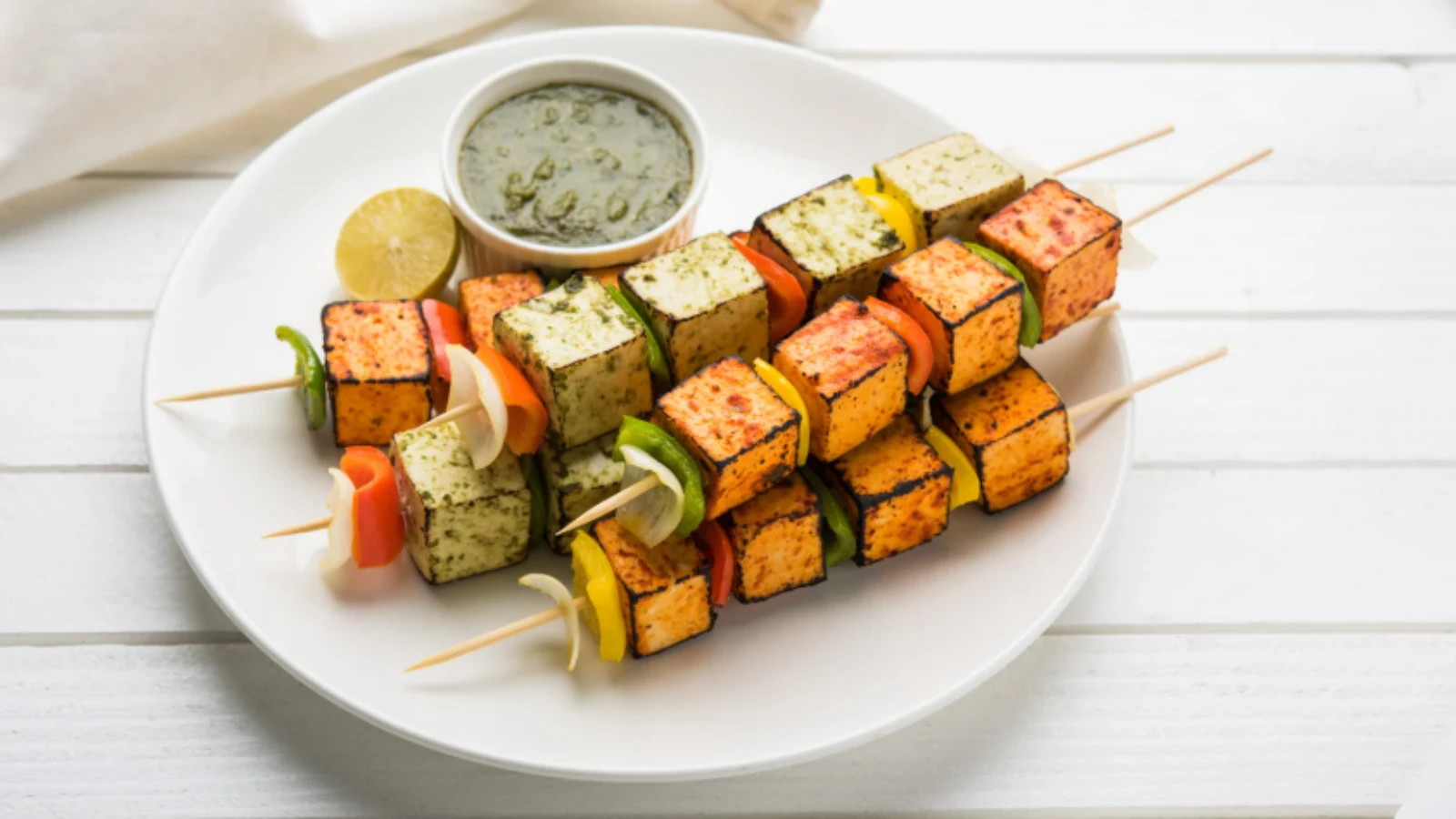
Paneer becomes the star protein source, offering approximately 18 grams of protein per 100 grams with minimal carbs. Combine this with hemp seeds, pumpkin seeds, and almonds for complete amino acid profiles. Greek yogurt and cottage cheese provide additional protein while supporting gut health.
Both vegetarian and non-vegetarian practitioners benefit from intermittent fasting integration. The 16:8 approach works particularly well with Indian eating patterns, allowing for two substantial meals that satisfy both nutritional and cultural requirements.
Creating an effective keto meal plan Indian starts with understanding which traditional foods support ketosis and which need modification or elimination. The foundation involves replacing rice and wheat with cauliflower rice, shirataki noodles, and almond flour alternatives. Traditional curries and sabzis translate beautifully to keto when you focus on the protein and vegetable components while increasing healthy fat content. Indian keto breakfast options break away from conventional paratha and poha combinations. Instead, consider scrambled eggs with ghee and spinach, or paneer bhurji with bell peppers. Coconut flour pancakes seasoned with cardamom offer a traditional taste without the carb load.
Traditional Indian spice blends naturally support ketosis. Garam masala, curry powder, and regional spice combinations contain compounds that may enhance fat oxidation and metabolic flexibility. The key is using these generously while avoiding pre-made spice mixes that often contain hidden sugars or starches.
Tempering with ghee or coconut oil increases the fat content of any dish while preserving traditional flavors. Slow cooking methods like dum cooking help vegetables retain nutrients while allowing flavors to develop without added carbohydrates.
Indian keto recipes require creativity but deliver remarkable satisfaction. Cauliflower biryani replaces traditional rice while maintaining the aromatic complexity that makes biryani special. Zucchini kofta curry provides the comfort of traditional meatballs while keeping carbs minimal. Palak paneer naturally fits keto macros when prepared with adequate ghee and cream. Low carb Indian food doesn't mean sacrificing variety. Kebabs, tandoori preparations, and grilled items naturally align with keto principles. The challenge lies in traditional accompaniments—replacing naan with almond flour rotis or cauliflower rice with traditional rice.
South Indian keto adaptations might include coconut-based curries with fish or chicken, while North Indian versions lean heavily on paneer and ghee-rich preparations. Each regional cuisine offers unique advantages for keto practitioners.
Indian keto snacks move beyond nuts to include roasted makhana (fox nuts), coconut chips with chat masala, and homemade paneer chips. Traditional namkeens can be recreated using almond flour and seeds instead of gram flour.
The weight loss keto diet adapted for Indian lifestyles typically shows results within 2-4 weeks, with initial water weight loss followed by steady fat loss. Most practitioners report 0.5-1 kg weekly loss after the initial adaptation period. However, the real benefits extend beyond weight loss to include improved energy levels, better sleep quality, and enhanced mental clarity. Indian keto practitioners often experience unique benefits due to the anti-inflammatory properties of traditional spices. Turmeric, ginger, and other common ingredients may accelerate the transition into ketosis while reducing common side effects like fatigue or digestive discomfort.
Beyond weight loss, many Indians following keto report improvements in blood sugar control, particularly relevant given the high prevalence of diabetes in Indian populations. The combination of reduced carbohydrates and traditional spices creates a powerful metabolic enhancement effect.
The keto diet for beginners India should focus on gradual adaptation rather than drastic changes. Starting with eliminating obvious high-carb foods while maintaining familiar flavors helps ensure long-term adherence.
Answer: Absolutely. Indian spices and cooking methods actually enhance keto success. Focus on protein and vegetable curries prepared with ghee or coconut oil. Traditional tempering techniques naturally increase fat content while preserving authentic flavors.
Answer: Most people see initial results within 1-2 weeks, primarily from water weight loss. Consistent fat loss typically begins in weeks 2-3, with sustainable rates of 0.5-1 kg per week. Individual results vary based on starting weight, adherence, and metabolic factors.
Answer: Yes, when properly planned. Vegetarian keto requires careful attention to protein sources and micronutrient balance. Include variety through paneer, nuts, seeds, and low-carb vegetables. Consider supplementation for nutrients like B12 and omega-3 fatty acids.
Answer: Social dining situations and family meal dynamics pose the greatest challenges. Rice and roti elimination requires significant meal planning adjustments. Focus on preparing keto versions of family favorites and communicating your goals clearly to gain support.
Answer: Traditional dals are too high in carbohydrates for strict keto. However, small portions of certain legumes like black soybeans can work occasionally. Focus on protein from paneer, eggs, or meat instead.
Answer: Choose tandoori items, grilled meats, or paneer dishes. Avoid rice, bread, and sweet preparations. Most Indian restaurants can accommodate requests for extra ghee or oil instead of carb-heavy sides.
The Indian keto diet plan offers a culturally adapted approach to achieving ketosis while honoring traditional flavors and cooking methods. Success depends on strategic meal planning, creative recipe adaptation, and gradual implementation rather than drastic overnight changes. Whether following vegetarian or non-vegetarian approaches, the emphasis should remain on whole foods, traditional fats, and generous use of metabolically beneficial spices. Remember that sustainable weight loss comes from consistency rather than perfection, and the Indian keto approach provides enough flexibility to maintain long-term adherence while delivering impressive health results.


Someone sent you
Powered by ReferRush