


How to Craft a High Calorie Diet for Muscle Gain

Get personalised recommendations with our assessment.
Personalised Health Diagnosis (PHD)
Building muscle isn't just about hitting the gym hard—it's about fueling your body with the right amount of calories to support growth. Many fitness enthusiasts struggle with the concept of eating more to gain muscle, especially when society constantly pushes restrictive diets. But here's the truth: without a strategic high calorie diet, your muscle-building efforts will hit a wall. Your body needs energy to repair, rebuild, and grow stronger muscle fibres. This isn't about mindless eating or junk food binges. It's about crafting a smart, nutrient-dense approach that maximizes your gains while keeping your health in check.
A caloric surplus is the foundation of muscle growth. This means consuming more calories than your body burns throughout the day. Think of it as providing your muscles with the raw materials they need to rebuild stronger after each workout. Calculating your ideal calorie intake starts with determining your Total Daily Energy Expenditure (TDEE). This includes your basal metabolic rate plus calories burned through daily activities and exercise. For muscle gain, aim for a surplus of 300-500 calories above your TDEE. Going beyond this range often leads to unnecessary fat gain without additional muscle benefits.
Protein should make up 25-30% of your total calories, providing about 1.6-2.2 grams per kilogram of body weight. Carbohydrates fuel your workouts and recovery, comprising 45-50% of your calories. Healthy fats support hormone production and should account for 20-25% of your intake.
Ectomorphs (naturally lean) can handle larger surpluses of 500-700 calories. Mesomorphs (naturally muscular) do well with moderate surpluses of 300-500 calories. Endomorphs (naturally stocky) should stick to smaller surpluses of 200-300 calories to minimize fat gain.
Not all calories are created equal. The best high calorie foods for muscle gain combine energy density with superior nutritional value. Quality matters just as much as quantity when building lean mass. Lean meats like chicken thighs, beef, and turkey provide complete proteins with higher calorie content than their leaner counterparts. Fatty fish such as salmon, mackerel, and sardines deliver protein plus omega-3 fatty acids for recovery and inflammation control.
Eggs offer the gold standard of protein quality with healthy fats. Greek yogurt provides casein protein for sustained muscle protein synthesis. Cottage cheese delivers slow-digesting protein perfect for nighttime recovery.
Oats, quinoa, and brown rice provide sustained energy for intense training sessions. Sweet potatoes offer complex carbs with added vitamins and minerals. Bananas fuel quick energy replenishment post-workout.
Nuts, seeds, and nut butters pack calories and essential fatty acids. Avocados provide monounsaturated fats and fibre. Olive oil and coconut oil add easy calories to any meal without bulk.
Successful muscle building requires strategic meal planning that ensures consistent calorie and nutrient intake. Timing, frequency, and balance all play crucial roles in maximizing your results. Aim for 4-6 meals throughout the day to maintain steady nutrient flow to your muscles. This approach prevents overwhelming your digestive system while keeping energy levels stable. Pre and post-workout nutrition windows deserve special attention for optimal muscle protein synthesis.
Breakfast should provide 25-30% of daily calories with balanced macros. Include high calorie foods like oatmeal with nuts, eggs, and whole grain toast. Lunch delivers another 25-30% with lean proteins, complex carbs, and healthy fats.
High calorie snacks bridge gaps between main meals. Trail mix, protein smoothies, and Greek yogurt with granola provide convenient options. These mini-meals prevent energy dips and support continuous muscle building.
Practical high calorie diet recipes make nutrition planning simpler and more enjoyable. These meals combine taste with muscle-building power, ensuring you stick to your goals long-term. Breakfast power bowls mixing oats, protein powder, nuts, and fruits can easily reach 800-1000 calories. Add ground flaxseed and chia seeds for extra calories and omega-3s. Plant-powered protein sources like those from Ace Blend can boost the nutritional profile significantly.
Within 30-60 minutes after training, consume high calorie meals rich in protein and carbs. Chicken and rice bowls with added olive oil hit the mark. Protein smoothies with banana, oats, and nut butter provide quick absorption.
Casein-rich foods like cottage cheese with nuts support overnight recovery. Slow-cooking stews with lean meats and root vegetables provide sustained nutrition. These high calorie diet menu items fuel muscle repair during sleep.
While whole foods should form the foundation of your high calorie diet plan, strategic supplementation can bridge nutritional gaps and enhance convenience. Quality matters more than quantity when choosing supplements. Mass gainers can help those struggling to meet calorie targets through food alone. However, prioritize products with quality protein sources and minimal artificial ingredients. Plant-powered options often provide cleaner nutrition profiles with better digestibility.
Choose protein powders that complement your whole food intake rather than replacing it. Look for complete amino acid profiles and minimal processing. Timing protein intake around workouts maximizes muscle protein synthesis.
Creatine monohydrate supports strength gains and muscle volume. Omega-3 supplements aid recovery and reduce inflammation. Magnesium supports muscle function and recovery—especially important for intense training phases.
Many people sabotage their muscle-building efforts by making fundamental errors in their high calorie diet for muscle gain approach. Avoiding these mistakes can accelerate your progress significantly. Consuming empty calories from processed foods provides energy without essential nutrients. Your muscles need vitamins, minerals, and quality macronutrients to grow optimally. Junk food calories don't support the complex biochemical processes involved in muscle building.
Focusing solely on calorie numbers while ignoring nutrient quality limits results. Your body builds muscle from amino acids, not just calories. Prioritize nutrient-dense high calorie foods that provide building blocks for growth.
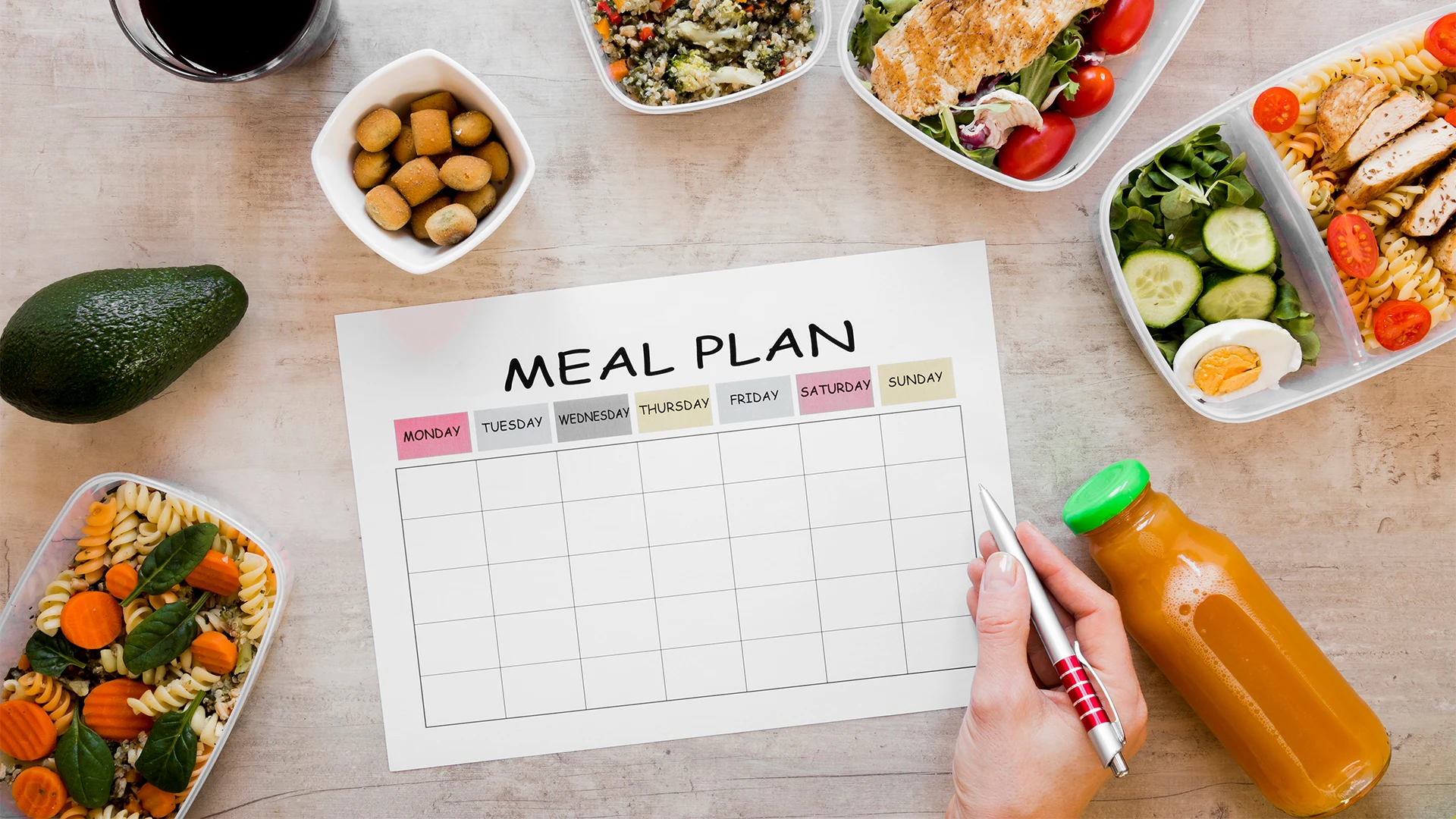
Irregular eating patterns disrupt muscle protein synthesis and energy availability. Skipping meals forces your body to break down existing muscle for energy. Meal prep and planning prevent these setbacks.
Answer: Most people need a surplus of 300-500 calories above their maintenance level. This translates to roughly 0.5-1 pound of weight gain per week, with proper training allowing most of this to be muscle tissue.
Answer: While beginners and those returning to training might build some muscle at maintenance calories, significant muscle growth requires a caloric surplus. Your body needs extra energy to create new muscle tissue.
Answer: Noticeable changes typically appear within 4-6 weeks of consistent training and proper nutrition. Significant muscle gains become apparent after 8-12 weeks when following a well-designed program.
Answer: Generally yes, but individuals with metabolic conditions or a history of eating disorders should consult healthcare providers first. The key is choosing nutrient-dense calories rather than empty ones.
Crafting an effective high calorie diet for weight gain and muscle building requires strategic planning, not random eating. Focus on nutrient-dense foods that provide quality calories alongside essential vitamins and minerals. Consistency in both training and nutrition determines your success more than any single meal or supplement. Remember that muscle building is a gradual process requiring patience and persistence. Your high calorie diet tips should emphasize long-term sustainability over quick fixes.
The high calorie diet benefits extend beyond muscle growth to include improved energy, better recovery, and enhanced overall health when done correctly. Start implementing these strategies gradually, adjusting based on your body's response and training demands. Quality nutrition paired with consistent resistance training creates the perfect environment for muscle growth and strength gains.


Someone sent you
Powered by ReferRush