


How to Build a Nutrient-Rich Diet Plan

Get personalised recommendations with our assessment.
Personalised Health Diagnosis (PHD)
Forget the outdated advice about counting calories and restricting food. The real game-changer? Building a smart high calorie foods list that actually nourishes your body while meeting your energy needs. Whether you're looking to gain healthy weight, fuel intense workouts, or simply optimize your nutrition, the secret lies in choosing calorie-dense foods that pack maximum nutritional punch. This isn't about mindlessly stuffing yourself with empty calories—it's about strategic nutrition that works with your body, not against it. Let's dive into how you can build a powerhouse list of nutrient-rich foods that deliver both calories and vital nutrients your body craves.
The term "high-calorie" often gets a bad rap, but here's the truth: not all calories are created equal. High-energy foods that are also nutrient-dense represent the sweet spot of optimal nutrition. These foods provide substantial energy while delivering essential vitamins, minerals, healthy fats, and quality proteins your body needs to thrive.
Calorie density comes down to macronutrient composition. Fats provide 9 calories per gram, while proteins and carbohydrates offer 4 calories per gram. This means foods rich in healthy fats naturally become calorie-heavy ingredients. However, the magic happens when these calories come bundled with nutrients—think avocados versus candy bars. Both are high-calorie, but only one supports your health goals.
The best nutrient-rich foods on your list should provide multiple benefits beyond just calories. Look for foods that offer vitamins, minerals, antioxidants, fiber, and quality macronutrients. This approach ensures you're not just hitting calorie targets but actually fueling your body for optimal performance and health.
Building your high calorie foods list becomes simpler when you understand which food categories naturally provide the best calorie-to-nutrition ratio. These categories form the foundation of any smart, calorie-rich diet that supports your health goals.
Nuts and seeds reign supreme in the calorie-dense foods category. A single ounce of almonds packs about 160 calories, while the same amount of walnuts delivers around 185 calories. These aren't empty calories either—they come loaded with healthy fats, protein, fibre, vitamin E, and magnesium. Chia seeds, hemp hearts, and pumpkin seeds offer similar benefits with added omega-3 fatty acids.
Extra virgin olive oil provides 120 calories per tablespoon, making it one of the most efficient energy-boosting foods available. Avocados offer around 320 calories per fruit, along with potassium, folate, and heart-healthy monounsaturated fats. These foods excel at increasing meal calories without requiring large portions.
Fatty fish like salmon and mackerel provide both high-quality protein and calories—a 6-ounce serving of salmon delivers approximately 350 calories plus omega-3 fatty acids. Whole eggs, full-fat Greek yogurt, and grass-fed meats round out this category. For plant-based options, consider tempeh, tofu, and legumes paired with healthy fats.
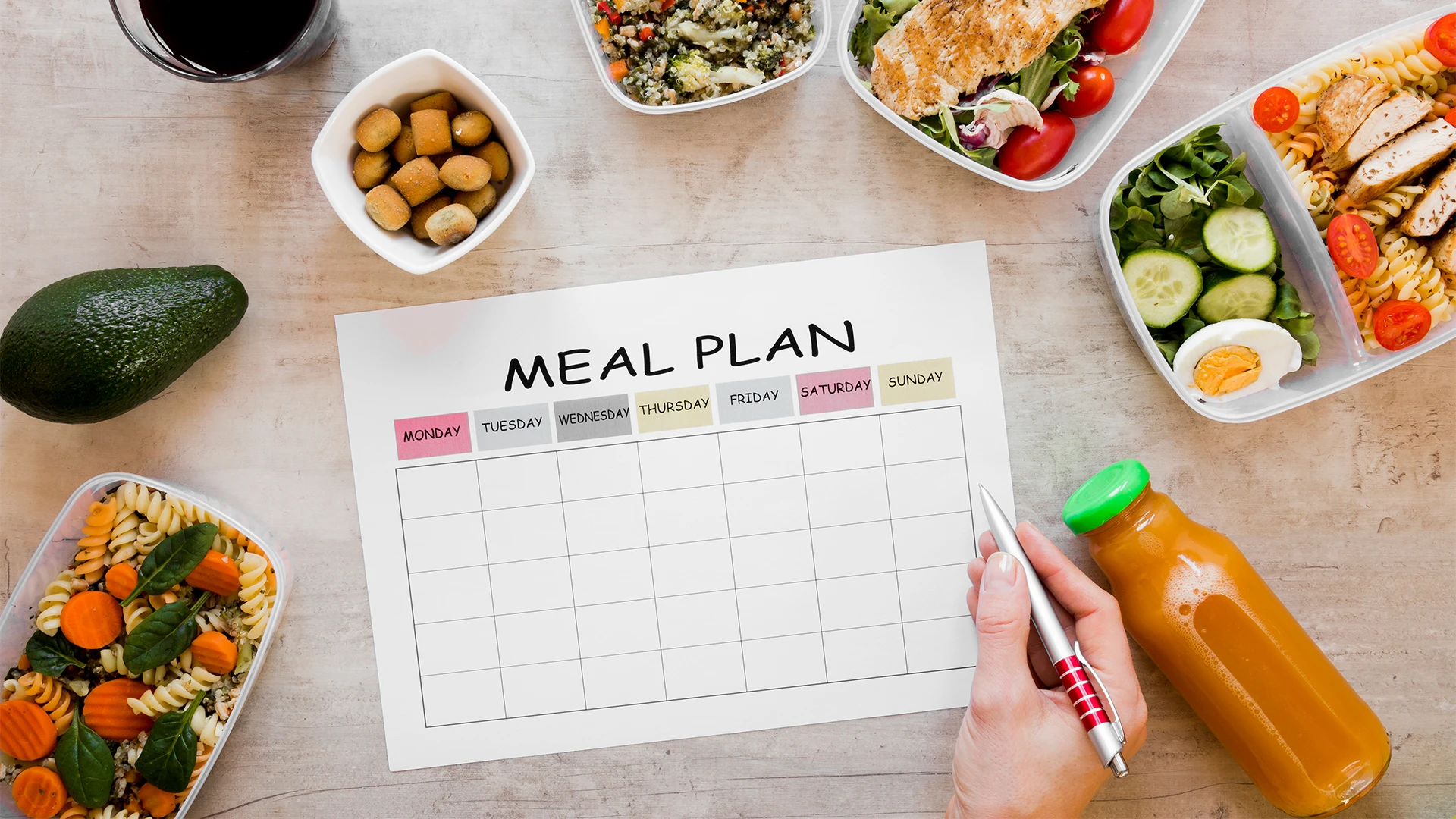
Knowing which foods are calorie-dense is only half the battle. The real skill lies in incorporating these calorically-dense meals into your daily routine without feeling overwhelmed or uncomfortable. Smart meal planning makes all the difference.
Start with a quality protein source, add healthy fats, include complex carbohydrates, and finish with vegetables for micronutrients. A perfect example: quinoa bowl with grilled chicken, avocado, nuts, olive oil dressing, and roasted vegetables. This combination provides substantial calories while covering all nutritional bases. The key is layering calorie-packed snacks and ingredients throughout your meals rather than relying on one massive portion.
Instead of forcing three enormous meals, consider five to six smaller, calorie-dense meals throughout the day. This approach supports better digestion and sustained energy levels. Focus on having high-calorie meal options around your workout times when your body can best utilize the extra energy for recovery and muscle building.
Your high calorie foods list should align with your specific objectives. Different goals require different approaches to incorporating energy-boosting foods into your routine.
For those looking to gain weight or build muscle, focus on combining high-calorie foods with quality protein sources. Think nut butter on whole grain toast, protein smoothies with banana and oats, or quinoa salads with olive oil dressing. The goal is creating a consistent calorie surplus while supporting muscle synthesis with adequate protein intake.
Athletes and highly active individuals need calorie-heavy ingredients that support performance and recovery. Dates stuffed with nut butter, trail mix with dark chocolate, or post-workout smoothies with protein powder become essential tools. These foods provide quick energy and support muscle recovery without causing digestive distress.
Building an effective high calorie foods list requires organization. Here's how to categorize your options for maximum practical use.
Extra virgin olive oil, coconut oil, avocado oil, grass-fed butter, and nut butters form the backbone of calorie-dense cooking. These ingredients easily boost meal calories while providing essential fatty acids your body needs for hormone production and nutrient absorption.
Almonds, walnuts, cashews, brazil nuts, chia seeds, flaxseeds, pumpkin seeds, dates, and dried figs offer portable, shelf-stable options. Mix and match these for custom trail mixes or add them to yogurt, oatmeal, and salads.
Salmon, sardines, grass-fed beef, free-range eggs, full-fat dairy products, and plant-based options like tempeh provide substantial calories alongside muscle-building protein. These foods should anchor most of your calorically-dense meals.
Quinoa, oats, sweet potatoes, brown rice, and whole grain pasta provide sustained energy. When combined with healthy fats, these become powerful energy-boosting foods that fuel your activities without blood sugar crashes.
Building a smart high calorie foods list means avoiding foods that provide calories without nutritional value. Processed foods, sugary snacks, and refined oils might be high in calories, but they often leave you feeling sluggish and unsatisfied.
Don't fall into the trap of choosing foods based solely on calorie content. A donut might have similar calories to a handful of nuts, but only one supports your long-term health goals. Focus on whole, minimally processed foods that provide nutrients alongside calories.
While these foods are calorie-dense, portion control still matters. Start with smaller amounts and gradually increase as your body adapts. This prevents digestive discomfort and helps you maintain a sustainable eating pattern.
Answer: This depends on your individual goals, activity level, and current weight. Generally, aim to include 2-3 servings of healthy, calorie-dense foods at each meal. Start conservatively and adjust based on how your body responds.
Answer: Absolutely not. Many of the healthiest foods available are naturally high in calories—think nuts, avocados, olive oil, and fatty fish. The key is choosing whole, nutrient-dense options over processed alternatives.
Answer: Yes, strategically. Small amounts of healthy, high-calorie foods can increase satiety and prevent overeating later. Think a small handful of nuts as a snack or adding avocado to your salad.
Answer: Use a food tracking app initially to understand portion sizes and calorie content. After a few weeks, you'll develop an intuitive sense of appropriate portions. Focus on consistency rather than perfect precision.
Answer: Start with liquid calories like smoothies with nut butter and protein powder. Gradually add small amounts of calorie-dense foods to existing meals rather than forcing large portions.
Building an effective high calorie foods list is about smart selection, not just calorie counting. Focus on nutrient-dense options that provide sustained energy while supporting your health goals. Remember that quality trumps quantity every time—choose whole foods that nourish your body while meeting your calorie needs. Start slowly, listen to your body, and adjust your approach based on how you feel and perform. With the right strategy, high-calorie foods become powerful tools for optimizing your nutrition and achieving your health objectives.


Someone sent you
Powered by ReferRush