


How to Boost Energy with High Calorie Dry Fruits

Get personalised recommendations with our assessment.
Personalised Health Diagnosis (PHD)
The world of nutrition is buzzing with quick fixes and flashy supplements, but sometimes the most powerful fuel comes from nature's original energy bars. High calorie dry fruits aren't just convenient snacks—they're dense powerhouses of nutrients that can revolutionize how you approach energy and performance. While most people think calories are the enemy, smart fitness enthusiasts know that strategic calorie consumption from the right sources can be the difference between crushing your goals and falling short. These nutrient-dense dried fruits pack serious energy potential without the crash that comes from processed alternatives.
Not all calories are created equal, and high calorie dry fruits prove this point brilliantly. These concentrated nutrition bombs deliver energy through a perfect storm of natural sugars, healthy fats, and fibre that your body actually knows how to process. Unlike synthetic energy boosters that spike and crash your system, dried fruits provide sustained fuel that works with your metabolism, not against it.
The magic happens during the dehydration process. When water is removed from fresh fruits, you're left with concentrated nutrients in a smaller package. This means more calories per gram, but also more vitamins, minerals, and antioxidants packed into every bite. Your body gets quick-acting natural sugars for immediate energy, plus slower-digesting components that keep you fueled longer.
Calorie density matters more than most people realize. When you're training hard or living an active lifestyle, your energy needs skyrocket. High calorie snacks like dried fruits let you meet those needs without stuffing yourself with massive volumes of food. This is especially crucial for athletes who need to fuel performance without feeling heavy or sluggish.
Concentration doesn't just apply to calories. Nutrient-dense dried fruits deliver amplified levels of essential micronutrients. Iron for oxygen transport, potassium for muscle function, and antioxidants for recovery—all packed into convenient, portable packages that actually taste incredible.
Let's cut through the noise and rank the heavy hitters. These calorie-rich dried fruit options aren't just about the numbers—they're about delivering maximum nutritional bang for your caloric buck.
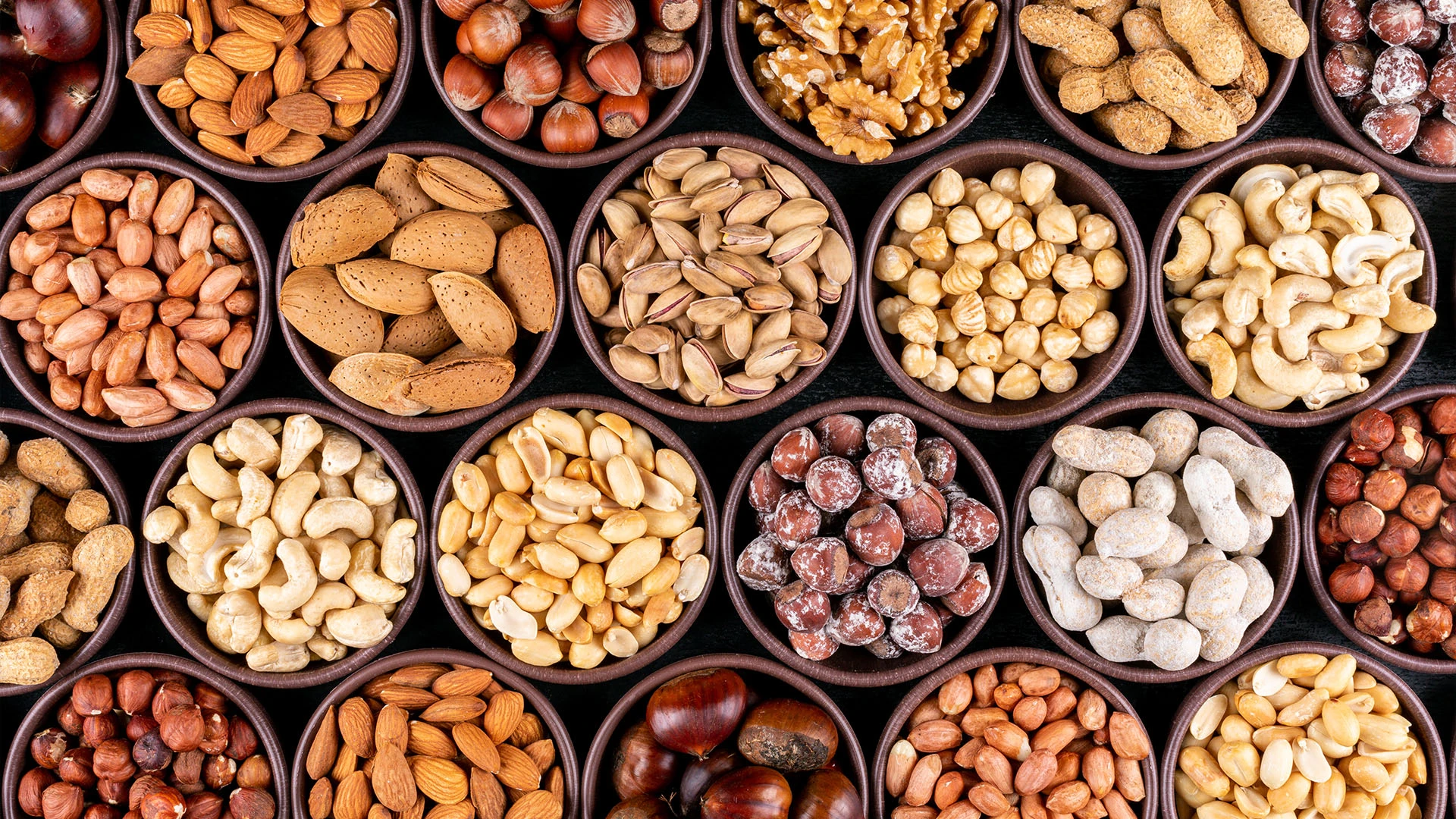
Brazil nuts reign supreme at 659 calories per 100g, but they're more than just calorie bombs. Each nut delivers selenium levels that support thyroid function and immune health. Just two Brazil nuts can meet your daily selenium needs. Walnuts follow close behind at 654 calories per 100g, bringing omega-3 fatty acids that most people severely lack. These brain-boosting fats support cognitive function and reduce inflammation—crucial for anyone pushing their body hard. Cashews and almonds round out the elite tier, delivering 553 and 576 calories respectively, plus magnesium for muscle function and protein for recovery.
Dates pack 277 calories per 100g along with potassium levels that rival bananas. They're nature's energy gels, providing quick glucose for immediate fuel plus fiber for sustained release. Raisins deliver 299 calories per 100g and are particularly rich in iron—essential for oxygen transport during intense training. Dried figs at 249 calories per 100g bring calcium and fiber, supporting bone health and digestive function.
The real story behind energy-boosting dried fruits isn't just calories—it's how those calories are packaged with other essential nutrients. This combination creates synergistic effects that amplify performance benefits.
Dried fruit protein content often gets overlooked, but it shouldn't be. Almonds deliver 21g of protein per 100g, while even traditionally low-protein options like dates provide 2-3g. This protein supports muscle recovery and helps stabilize blood sugar for sustained energy.
Dried fruit fibre content ranges from impressive to exceptional. Prunes lead the pack with 7g per 100g, supporting digestive health and creating steady energy release. This fibre content prevents the blood sugar spikes associated with simple sugars, making dried fruits a smarter choice than processed energy products.
The dried fruit vitamin and mineral profile reads like a high-performance supplement label. Iron for oxygen transport, potassium for muscle function, magnesium for energy metabolism, and vitamin E for antioxidant protection—all naturally occurring and highly bioavailable.
Smart athletes understand that dried fruit for athletic performance isn't just about eating them randomly. Timing and selection matter enormously for optimizing results.
About 30-60 minutes before training, dates or raisins provide quick-digesting glucose that your muscles can immediately access. The natural sugar blend gives you energy without the artificial additives that can cause digestive distress during exercise.
For longer training sessions, dried fruits can replace expensive sports gels. They're easier on the stomach than many commercial products and provide sustained energy release through their natural fibre content.
Post-workout, combine healthy high-calorie dried fruits with protein sources for optimal recovery. The natural sugars help replenish glycogen stores while supporting protein synthesis for muscle repair.
The key to maximizing dried fruit fitness benefits lies in smart integration rather than random snacking. Your approach should align with your specific goals and lifestyle demands.
Calorie density cuts both ways. While dried fruits provide concentrated nutrition, they also require portion awareness. A handful of almonds (about 23 nuts) delivers roughly 160 calories—perfect for a pre-workout boost, but easy to overconsume mindlessly.
Rather than treating dried fruits as standalone snacks, integrate them into your existing meal structure. Add chopped dates to your morning protein smoothie, or include walnuts in your post-workout grain bowl for sustained energy release.
Your dried fruit consumption should shift with your training phases. During high-volume periods, increase intake to support elevated energy demands. During cutting phases, use smaller portions strategically around workouts for maximum impact.
One size doesn't fit all when it comes to high-calorie nutrition. Your optimal approach to high calorie dry fruits depends on your metabolic profile, training demands, and individual goals.
If you struggle to maintain weight or build muscle, dried fruits become powerful allies. Their calorie density allows you to increase energy intake without excessive food volume that might impact appetite for other nutrients.
Individuals with higher insulin sensitivity can handle dried fruits' natural sugars more effectively, making them ideal for quick energy replenishment. Those with insulin resistance should pair dried fruits with protein or healthy fats to moderate blood sugar response.
While energy is the headline benefit, nutrient-dense dried fruits deliver health advantages that extend far beyond immediate fuel needs.
The potassium in dates and figs supports healthy blood pressure, while the omega-3s in walnuts promote cardiovascular health. These nutrients work synergistically to support the circulatory system that delivers oxygen and nutrients to working muscles.
Intense training creates oxidative stress that can impair recovery. The antioxidants in dried fruits—particularly prunes and raisins—help neutralize free radicals, supporting faster recovery and reduced inflammation.
The fibre content in dried fruits supports beneficial gut bacteria, which increasingly research shows plays crucial roles in everything from immune function to mood regulation. A healthy gut means better nutrient absorption and overall wellness.
Answer: Brazil nuts top the charts at 659 calories per 100g, followed closely by walnuts at 654 calories per 100g. However, serving sizes matter—a typical serving of Brazil nuts is smaller due to their selenium content, making walnuts more practical for higher calorie intake.
Answer: This depends on your total calorie needs and activity level. A general guideline is 1-2 handfuls (20-40g) of nuts or 3-5 dates for most active individuals. Athletes in heavy training phases may need 50-100g daily, spread across multiple servings.
Answer: Absolutely. Their calorie density makes them excellent for healthy weight gain without requiring massive food volumes. Combine them with protein sources and strength training for optimal muscle building results.
Answer: Dried fruits often outperform commercial sports drinks because they provide natural sugars plus fibre, protein, and micronutrients. They offer sustained energy without artificial additives that can cause digestive issues during exercise.
The path to sustained energy doesn't require expensive supplements or complicated protocols. High calorie dry fruits offer a natural, nutrient-dense approach to fueling your active lifestyle. From the selenium-rich Brazil nuts to the iron-packed raisins, each option brings unique benefits that extend far beyond simple calorie content. Smart integration means matching the right dried fruit to your specific needs—quick dates before training, protein-rich almonds for recovery, or fibre-dense prunes for digestive health.
The key lies in understanding both the caloric and nutritional profiles of your choices, then timing consumption to support your goals rather than working against them. Remember that these natural powerhouses work best as part of a comprehensive nutrition strategy. They're tools in your performance toolkit, not magic bullets. When used strategically alongside quality proteins, healthy fats, and proper hydration, dried fruits can transform how you approach energy, recovery, and overall wellness.


Someone sent you
Powered by ReferRush