


Is Poha Good for Weight Loss?

Get personalised recommendations with our assessment.
Personalised Health Diagnosis (PHD)
Poha has quietly earned its place as a breakfast staple across Indian households, but its potential as a weight loss ally remains largely unexplored. This humble flattened rice dish packs more nutritional punch than most people realize, making it a compelling option for those looking to shed pounds without sacrificing taste or cultural comfort foods. The question isn't just whether poha is good for weight loss—it's about understanding how this traditional grain can fit into a modern, optimized approach to healthy eating. Let's dig deeper into the science behind poha's weight management potential and discover why this simple dish might be the game-changer your diet needs.
The foundation of any weight loss food lies in its nutritional profile, and poha nutrition tells a compelling story. This processed rice variant undergoes parboiling and flattening, which actually enhances certain nutritional aspects while making it easier to digest.
Poha calorie content sits at approximately 76 calories per 100 grams of raw poha, making it significantly lower than many conventional breakfast options. When prepared with minimal oil and loaded with vegetables, a standard serving delivers around 150-200 calories—a sweet spot for weight management.
The macronutrient distribution reveals why poha works for weight loss. Poha carbohydrates comprise about 76% of its content, but these are primarily complex carbs that provide sustained energy release. Protein content hovers around 6.6 grams per 100 grams, while fat content remains minimal at just 0.6 grams.
Poha delivers impressive micronutrient density, particularly iron (20mg per 100g), which supports metabolism and energy production. It also provides B-vitamins, essential for converting food into energy efficiently.
The weight loss potential of poha extends beyond simple calorie counting. Multiple mechanisms work together to make this traditional food a modern solution for poha weight management.
As a poha low-calorie food, it allows you to eat satisfying portions without caloric overload. The high water content during cooking increases volume while keeping calories in check—a classic weight loss strategy that actually works.
Poha dietary fibre content, while moderate at 0.2 grams per 100 grams, becomes more significant when combined with vegetables typically added during preparation. This fibre contributes to poha satiety, helping you feel full longer and reducing between-meal snacking urges.
The iron content in poha acts as a poha metabolism booster. Iron deficiency can slow metabolic rate, so adequate iron intake helps maintain optimal fat-burning capacity. The B-vitamins also support metabolic processes that convert stored fat into usable energy.
Unlike refined breakfast options, poha provides steadier blood sugar levels, preventing the crash-and-crave cycle that derails many weight loss efforts. This stability supports consistent energy and reduces hunger spikes.
While weight management might be your primary goal, poha health benefits extend far beyond the scale. Understanding these additional advantages helps you appreciate why this food deserves a permanent spot in your nutrition plan.
Poha digestive health benefits stem from its easy digestibility and gentle nature on the stomach. The parboiling process breaks down complex starches, making nutrients more bioavailable while reducing digestive stress. This means better nutrient absorption and less bloating—both crucial for effective weight management.
The moderate glycemic index of poha helps maintain steady blood glucose levels, supporting insulin sensitivity over time. This regulation prevents the metabolic dysfunction that often accompanies weight gain and makes losing weight more challenging.
Poha's iron content becomes particularly valuable when prepared with vitamin C-rich additions like tomatoes or lemon juice. This combination maximizes iron absorption, supporting healthy red blood cell production and oxygen transport—essential for maintaining energy during weight loss phases.
Knowing that poha supports weight loss is one thing; implementing it effectively requires strategic thinking. The preparation method, timing, and combinations all influence how well poha serves your weight management goals.
Consume poha during morning hours when your metabolism runs highest and carbohydrate tolerance peaks. A serving size of 50-75 grams of raw poha provides adequate nutrition without excessive calories. This portion, when prepared with vegetables and minimal oil, creates a satisfying meal that fuels your day.
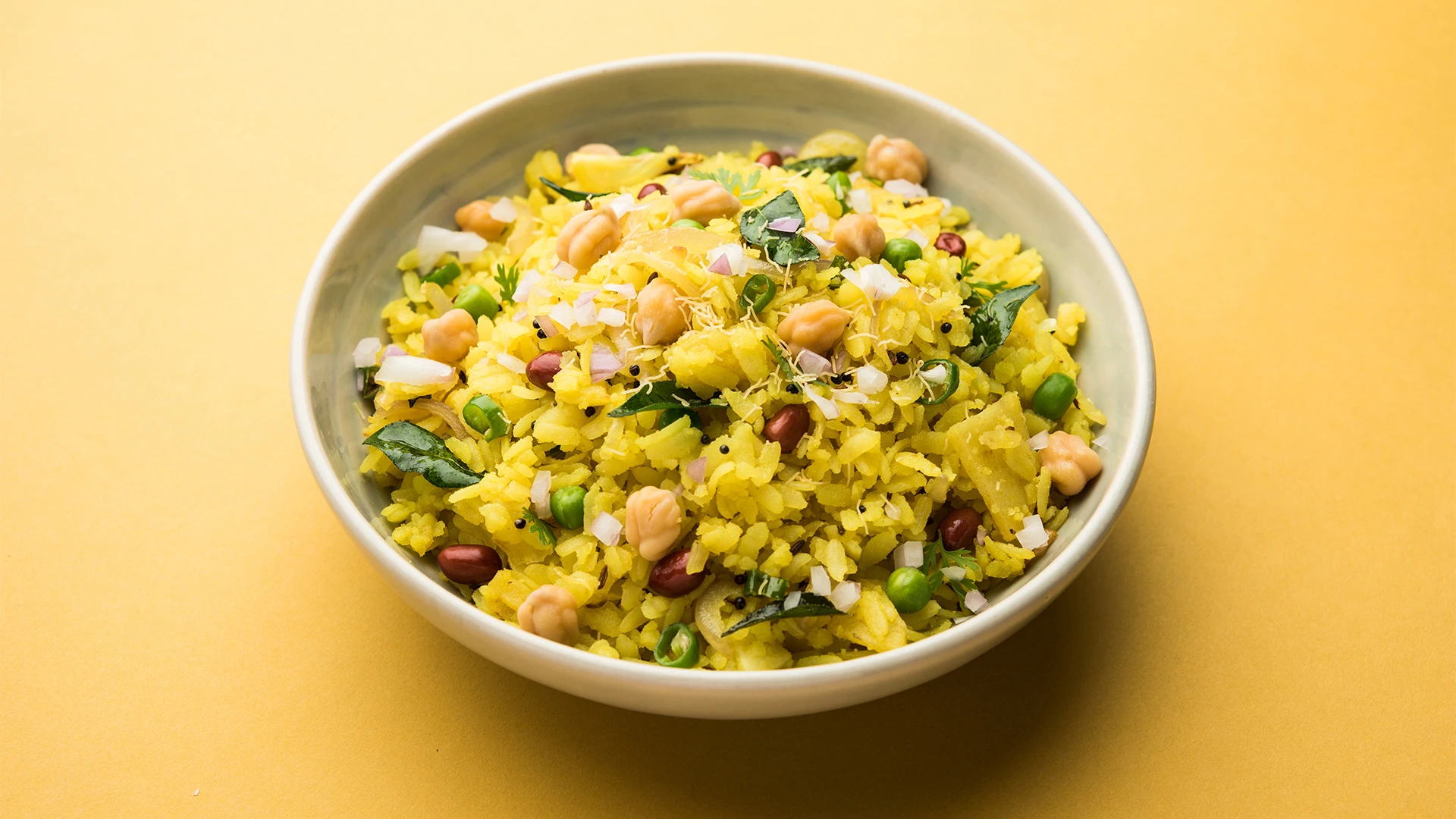
The cooking method dramatically impacts poha's weight loss potential. Use minimal oil—preferably heart-healthy options like olive oil. Load your poha with low-calorie vegetables like onions, tomatoes, carrots, and green peas. These additions boost fiber content, enhance satiety, and provide additional micronutrients without significant calorie increases.
Pair poha with protein sources to create a more balanced meal that supports muscle maintenance during weight loss. Add roasted peanuts, sprouted legumes, or even a serving of plant-based protein powder mixed into the dish. These combinations enhance the amino acid profile while supporting long-term satiety.
Answer: Yes, poha can be part of your daily routine when prepared healthily. Its low calorie content and nutrient density make it suitable for regular consumption. However, variety remains important—rotate it with other healthy breakfast options to ensure comprehensive nutrition.
Answer: Poha doesn't target belly fat specifically, as spot reduction isn't possible through any single food. However, its low-calorie nature and metabolism-supporting nutrients contribute to overall fat loss, which includes abdominal fat reduction over time.
Answer: Both foods offer weight loss benefits, but they differ in nutritional profiles. Oats provide higher fibre content, while poha offers better iron absorption and cultural familiarity. The "better" choice depends on your individual preferences, digestive tolerance, and overall diet pattern.
Answer: Poha at night isn't inherently harmful for weight loss, but timing matters. Its carbohydrate content makes it more suitable for earlier meals when you can utilize the energy. If eating poha at night, keep portions smaller and pair with vegetables to minimize any potential impact on sleep or fat storage.
Answer: Any food can contribute to weight gain when consumed in excessive portions or prepared with high-calorie additions. Poha prepared with too much oil, sugar, or high-calorie toppings can indeed hinder weight loss efforts. Stick to vegetable-heavy, minimally processed preparations.
Answer: Poha typically contains fewer calories per serving than bread-based breakfasts and provides better iron content. However, bread might offer more protein and fibre depending on the type. Poha's advantage lies in its versatility and ability to incorporate vegetables seamlessly.
Poha absolutely deserves consideration in your weight loss journey, but like any food, its effectiveness depends on how you use it. This traditional Indian staple brings legitimate advantages—low calorie density, decent nutrient profile, and impressive versatility—that align perfectly with sustainable weight management strategies. The real power of poha lies not in miracle weight loss properties, but in its ability to provide satisfying, nutritious meals that don't derail your caloric goals. When prepared thoughtfully with vegetables and minimal oil, it becomes a tool that supports your broader nutrition strategy rather than working against it. Remember that sustainable weight loss happens through consistent, balanced choices rather than relying on any single "superfood." Poha can play a valuable supporting role in this journey, offering cultural comfort while respecting your health goals. The key is preparation, portion control, and viewing it as part of a comprehensive approach to nutrition that includes adequate protein, healthy fats, and plenty of vegetables alongside your favorite grain dishes.


Someone sent you
Powered by ReferRush