


Creatine 101: First-Time Gym Goers' Complete Guide

Get personalised recommendations with our assessment.
Personalised Health Diagnosis (PHD)
Walking into a gym for the first time can feel overwhelming. Between learning proper form, understanding equipment, and figuring out workout routines, the last thing you want is confusion about supplements. Yet here's the truth that might surprise you: creatine for first gym sessions isn't just safe—it's one of the smartest moves you can make. Unlike the outdated belief that beginners need to "earn" their supplements through months of training, science shows that creatine works from day one. It's not about proving yourself worthy; it's about giving your body the tools to perform better, recover faster, and build strength more efficiently from your very first workout.
Creatine isn't some mysterious powder that magically transforms your physique overnight. It's a compound your body already produces naturally in your liver, kidneys, and pancreas. About 95% of it lives in your skeletal muscles, where it plays a crucial role in the ATP-PC energy system—your body's primary fuel source for short, intense bursts of activity. Think of ATP (adenosine triphosphate) as your muscle's immediate energy currency. When you lift weights, sprint, or perform any explosive movement, your muscles burn through ATP rapidly. Creatine helps regenerate this ATP, essentially recharging your energy stores between sets.
This is why creatine benefits become apparent so quickly for gym beginners. The beauty of creatine supplementation lies in its simplicity. By increasing your muscle's creatine stores by 10-40%, you're essentially expanding your energy tank. For first-time gym goers, this translates to more reps, heavier weights, and better performance during those crucial early sessions when your body is adapting to new demands.
The myth that beginners should train "naturally" for months before considering supplements is not just outdated—it's counterproductive. Your muscles don't care if you've been lifting for one day or one year; they respond to the same physiological mechanisms. Starting creatine supplementation early means you'll experience better workouts from the beginning, potentially accelerating your progress and building positive momentum.
The research on creatine is overwhelming in its consistency. Over 500 peer-reviewed studies have examined its effects, making it one of the most thoroughly researched supplements available. For beginners, these benefits are particularly pronounced because your body is primed for rapid adaptation. Enhanced strength and power output typically appear within the first week of supplementation. Studies show 5-15% increases in maximum power output and up to 30% increases in high-intensity exercise capacity. For a beginner learning proper squat form, this might mean the difference between struggling with bodyweight and confidently adding plates to the bar.
One of the most immediate benefits you'll notice is reduced fatigue between sets. Creatine helps your muscles recover their energy stores more quickly, allowing you to maintain performance throughout your entire workout. This is crucial for beginners who often struggle with declining performance as their session progresses.
What many people don't realize is that creatine also supports brain function. Your brain uses about 20% of your body's total energy, and creatine helps fuel this demand. For gym beginners learning new movement patterns and focusing on proper form, this cognitive enhancement can be invaluable.
Walk into any supplement store, and you'll be bombarded with different creatine formulations: creatine ethyl ester, buffered creatine, creatine nitrate, and dozens of others. Here's what the supplement industry doesn't want you to know: creatine monohydrate outperforms them all. Creatine monohydrate is the form used in virtually every positive study on creatine. It's the most researched, most effective, and most cost-effective option available. The fancy alternatives often cost 3-5 times more while delivering the same—or worse—results.
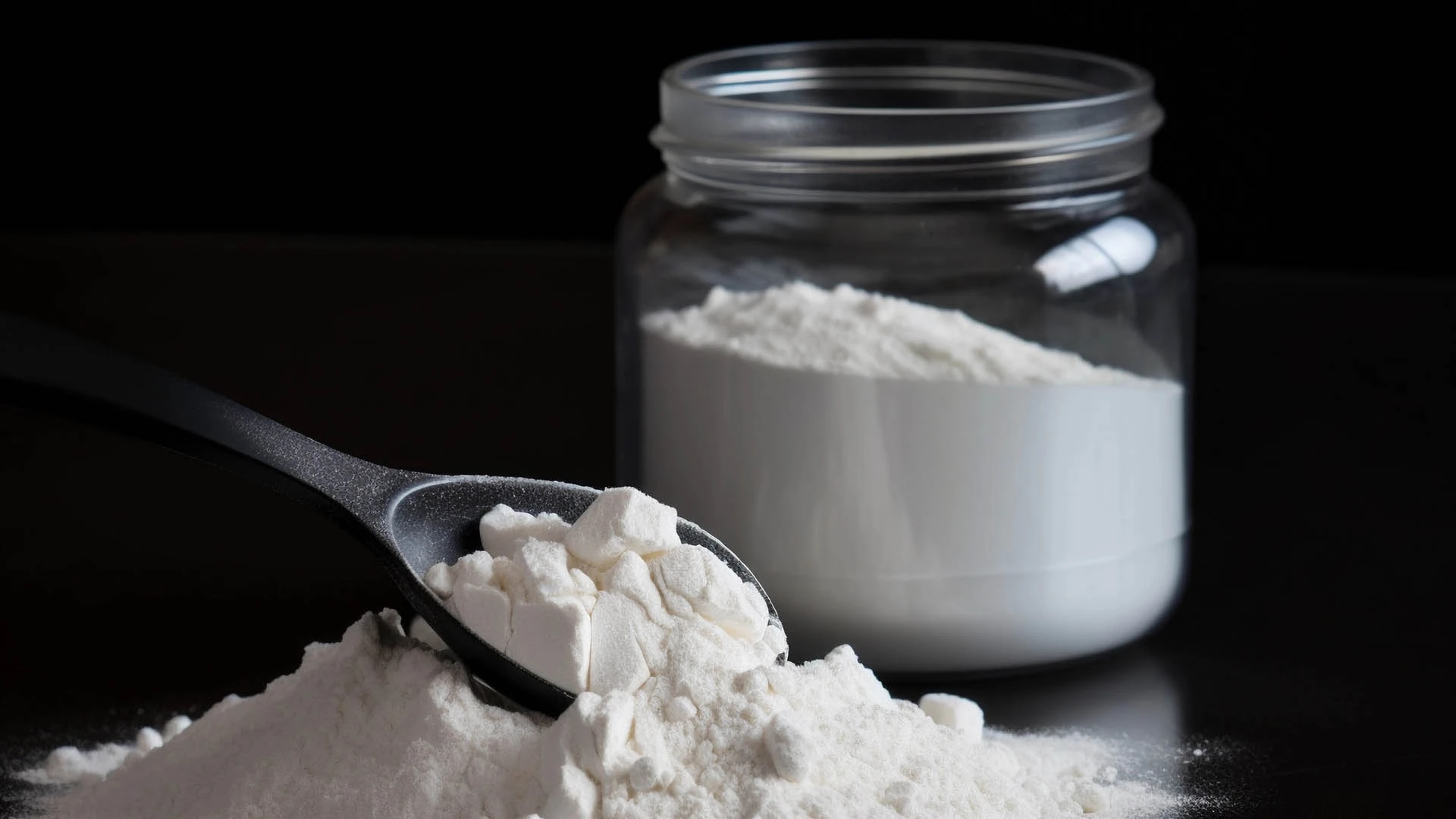
Purity is paramount. Look for products that list "creatine monohydrate" as the only active ingredient. Avoid products with unnecessary additives, artificial colors, or proprietary blends that hide ingredient amounts. The best creatine supplements are often the most boring—just pure, unflavored powder that mixes clear in water. Creatine monohydrate should be virtually tasteless and dissolve completely in room temperature water within a few minutes of stirring. If your creatine has a strong taste, leaves residue, or requires hot water to dissolve, you're likely dealing with a lower-quality product.
The confusion around creatine dosage stems from conflicting advice online. The truth is, there are two proven approaches, and both work effectively for beginners. Creatine loading involves taking 20 grams daily for 5-7 days, split into four 5-gram servings throughout the day. This rapidly saturates your muscle stores and allows you to experience benefits within a week. Take one serving with breakfast, lunch, dinner, and before bed to minimize any potential digestive discomfort. The gradual approach involves taking 3-5 grams daily from the start. This method takes 3-4 weeks to fully saturate your muscles but eliminates any risk of digestive issues and is more convenient for most people.
A more precise approach uses 0.1 grams per kilogram of body weight during the loading phase, or 0.03 grams per kilogram for the gradual approach. For a 70-kilogram person, this translates to 7 grams during loading or 2.1 grams for gradual supplementation. For beginners, we recommend the gradual approach. It's simpler, more sustainable, and eliminates the complexity of timing multiple doses throughout the day.
The internet is full of debates about pre-workout versus post-workout timing, but here's what research actually shows: consistency trumps timing. The most important factor is taking creatine daily to maintain elevated muscle stores. That said, some evidence suggests slight advantages to post-workout consumption. A study in the Journal of the International Society of Sports Nutrition found marginally better results when creatine was taken after training compared to before. The difference was small but statistically significant.
For beginners, the best time to take creatine is whenever you'll remember to take it consistently. Many people find success taking it with their post-workout protein shake or with breakfast on non-training days. The key is establishing a routine you can maintain long-term. Remember that creatine works by building up in your muscles over time. Missing a day here and there won't derail your progress, but consistent daily intake is essential for maintaining optimal muscle stores.
Let's address the elephant in the room: creatine side effects. The most common concern among beginners is water retention, which is often misunderstood as "bloating" or unwanted weight gain. Creatine pulls water into your muscle cells, not under your skin. This intracellular water retention is actually beneficial—it's part of how creatine works. You might see a 1-3 pound increase on the scale during your first week, but this represents increased muscle volume, not fat gain.
Some people experience mild digestive discomfort, particularly during loading phases. This is easily prevented by splitting doses throughout the day and taking creatine with food. If you're sensitive, start with smaller amounts and gradually increase. Staying properly hydrated is crucial when supplementing with creatine. Aim for at least 3-4 liters of water daily, more if you're training intensely or in hot conditions.
Creatine is remarkably safe for healthy individuals, but certain groups should exercise caution. People with kidney disease, those taking medications that affect kidney function, and individuals under 18 should consult healthcare providers before starting supplementation.
Starting your creatine journey doesn't require perfect timing or complex protocols. Begin with 3-5 grams daily, taken consistently at the same time each day. Mix it with water, juice, or your post-workout shake—whatever ensures you'll actually take it. Set realistic expectations. You won't transform overnight, but you should notice improved performance within 2-3 weeks. Track your workouts to see objective improvements in reps, weight lifted, or reduced fatigue between sets.
Creatine monohydrate is one of the most cost-effective supplements available. A kilogram of quality creatine monohydrate should cost between ₹1,500-₹3,000 and last 6-8 months. Avoid expensive formulations with fancy marketing—they're rarely worth the premium. Store your creatine in a cool, dry place away from direct sunlight. Properly stored creatine monohydrate has a shelf life of several years.
Answer: Absolutely. Creatine is one of the safest and most effective supplements for beginners. There's no waiting period required—you can start supplementing from your very first gym session.
Answer: Start with 3-5 grams daily. This gradual approach is simpler than loading protocols and just as effective over time. Take it consistently at the same time each day for best results.
Answer: You may see a 1-3 pound increase on the scale due to increased water retention in your muscles. This is beneficial weight that represents improved muscle volume and performance capacity, not fat gain.
Answer: Most people notice improved performance within 2-3 weeks of consistent supplementation. You might experience better endurance between sets, ability to complete more reps, or reduced fatigue during workouts.
Answer: No cycling is necessary. Creatine can be taken continuously without losing effectiveness. Long-term studies show it remains safe and effective with consistent daily use.
Answer: Yes, take creatine daily regardless of whether you're training. Consistent supplementation maintains elevated muscle creatine stores, which is how the supplement provides its benefits.
Creatine for first gym sessions isn't just acceptable—it's advantageous. This well-researched supplement can enhance your performance, accelerate recovery, and support better workouts from day one. Stick with creatine monohydrate, take 3-5 grams daily, and focus on consistency over perfect timing. The science is clear: there's no reason to wait when you can start optimizing your gym performance immediately.


Someone sent you
Error
Powered by ReferRush