


Cherries & Oxidative Stress: Complete Guide

Get personalised recommendations with our assessment.
Personalised Health Diagnosis (PHD)
Your body is under constant attack. Every breath, every workout, every stressful day unleashes a storm of free radicals that damage your cells from the inside out. This cellular warfare, known as oxidative stress, is silently sabotaging your recovery, performance, and long-term health. While the fitness industry pushes synthetic solutions and overpriced supplements, nature has been perfecting the ultimate defense system for millions of years. Enter cherries—small, unassuming fruits that pack a scientific punch against oxidative damage that would make most lab-created antioxidants jealous.
Oxidative stress occurs when your body produces more free radicals than it can neutralize with antioxidants. Think of it as cellular rust—these unstable molecules steal electrons from healthy cells, creating a domino effect of damage throughout your body. For athletes and fitness enthusiasts, this process accelerates dramatically during intense exercise. Your muscles consume oxygen at rates up to 20 times higher than at rest, generating massive amounts of free radicals as metabolic byproducts.
While some oxidative stress actually triggers beneficial adaptations, excessive levels lead to prolonged muscle soreness, delayed recovery, and increased injury risk. The traditional approach to managing exercise-induced oxidative stress has been woefully inadequate. Ice baths provide temporary relief but don't address the underlying cellular damage. Generic multivitamins offer synthetic antioxidants with poor bioavailability. Even popular sports drinks focus on hydration while ignoring the oxidative chaos happening at the cellular level.
Your body's natural defense system relies on antioxidants to neutralize free radicals before they cause damage. These molecular bodyguards donate electrons to unstable free radicals, breaking the destructive chain reaction. The key is consuming antioxidant rich foods that provide diverse, bioavailable compounds your body can actually use.
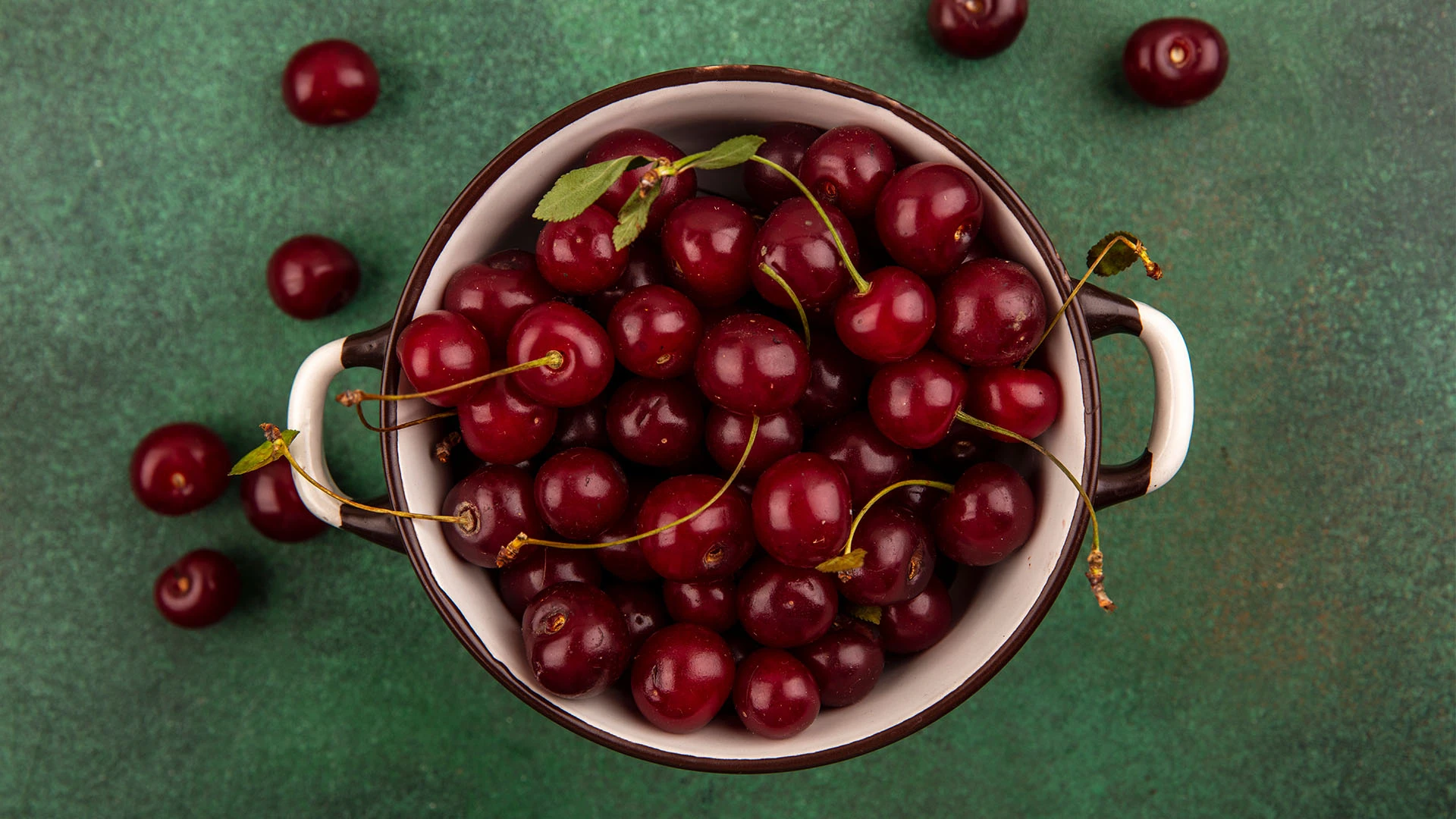
Cherries aren't just another pretty fruit—they're biochemical powerhouses engineered by nature to combat oxidative damage. The secret lies in their unique antioxidant profile, dominated by anthocyanins, the same compounds that give cherries their deep red color. Research reveals that tart cherries contain some of the highest concentrations of anthocyanins found in any food source. These potent flavonoids don't just scavenge free radicals—they actually upregulate your body's own antioxidant enzyme systems, creating a multiplier effect that synthetic supplements can't match.
Not all cherries are created equal when it comes to fighting oxidative stress. Tart cherries, particularly the Montmorency variety, contain up to five times more anthocyanins than their sweet counterparts. They also provide higher levels of phenolic compounds and natural melatonin, creating a comprehensive recovery package.
Multiple studies have demonstrated cherries' effectiveness against exercise-induced oxidative stress. Research published in the Journal of Nutritional Biochemistry showed that athletes consuming tart cherry juice for seven days before intense exercise experienced significantly reduced markers of oxidative damage compared to placebo groups. What sets cherries apart from synthetic antioxidant supplements is their superior bioavailability. The natural matrix of fiber, water, and complementary compounds enhances absorption and utilization, delivering antioxidants directly to the cells that need them most.
The research on cherries for post workout recovery reads like a fitness enthusiast's wish list. These ruby-red gems deliver benefits that target every aspect of the recovery process, from cellular repair to sleep optimization.
Studies show that athletes consuming cherry juice experience up to 23% faster reduction in creatine kinase levels—a key marker of muscle damage. This translates to quicker return to peak performance and reduced downtime between intense training sessions.
The dreaded delayed onset muscle soreness (DOMS) that peaks 24-72 hours post-exercise can be significantly reduced with strategic cherry consumption. Research demonstrates up to 40% reduction in muscle soreness when cherries are consumed both before and after exercise.
Cherries naturally contain melatonin, the hormone that regulates your sleep-wake cycle. Better sleep means enhanced growth hormone release, improved protein synthesis, and more effective recovery. Studies show cherry consumption can increase sleep duration by up to 84 minutes.
Chronic inflammation is the enemy of optimal performance. Cherry consumption significantly reduces C-reactive protein and other inflammatory markers, creating an internal environment conducive to adaptation and growth rather than breakdown and damage.
By reducing oxidative stress and inflammation, cherries don't just help recovery—they enhance subsequent performance. Athletes report improved endurance, strength, and power output when incorporating cherries into their nutrition protocol.
The antioxidants in cherries support collagen synthesis and cellular repair mechanisms, accelerating the healing of micro-tears in muscle tissue that occur during intense training.
Intense exercise temporarily suppresses immune function, creating a window of vulnerability to illness. Cherry consumption helps maintain immune system integrity during this critical period, keeping you healthy and consistent with training.
Navigating the cherry landscape can be confusing, with fresh fruit, juices, and supplements all claiming superiority. The truth is that different forms serve different purposes, and the best choice depends on your specific goals and lifestyle constraints.
Montmorency tart cherries reign supreme for antioxidant content, containing the highest concentration of beneficial compounds. However, their short seasonal availability and higher cost can make consistent consumption challenging. Bing sweet cherries offer moderate antioxidant levels with better taste appeal but lower therapeutic potential.
Concentrated tart cherry juice provides consistent potency year-round, with most quality products offering 50-100 cherries per serving. The concentration process preserves antioxidants while removing excess water, creating a shelf-stable option for serious athletes. However, sugar content can be a concern for those monitoring carbohydrate intake.
Freeze-dried cherry supplements offer the highest concentration of active compounds with minimal sugar and calories. Quality varies dramatically between brands, so look for products standardized to specific anthocyanin content and third-party tested for purity.
Timing and dosage matter when using cherries as natural anti-inflammatories. Strategic consumption can amplify benefits while poor timing may waste their therapeutic potential.
Pre-workout consumption 30-60 minutes before exercise primes your antioxidant defenses, creating a protective buffer against free radical damage. Post-workout intake within the two-hour recovery window supports repair processes when your body is most receptive to nutrients. For daily maintenance, consistent consumption matters more than perfect timing. Regular intake maintains baseline antioxidant levels, providing ongoing protection against accumulated oxidative stress.
Fresh cherries require 1-2 cups daily to achieve therapeutic levels of antioxidants. Tart cherry juice concentrates typically require 8-16 ounces daily, while quality supplements provide effective doses in 400-800mg ranges.
Cherries work synergistically with other antioxidant rich foods. Combining them with vitamin C sources enhances anthocyanin absorption, while pairing with healthy fats improves fat-soluble antioxidant utilization. At Ace Blend, our formulations consider these interactions to maximize bioavailability and effectiveness.
The superfood market is crowded with antioxidant claims, but not all sources are created equal. Understanding how cherries stack up against alternatives helps you make informed decisions about your oxidative stress remedies.
Oxygen Radical Absorbance Capacity (ORAC) scores provide standardized antioxidant measurements. Tart cherries score 12,800 ORAC units per 100 grams, competing favorably with blueberries (9,600) and significantly outperforming most common fruits. However, ORAC scores don't tell the complete story. Bioavailability, specific compound profiles, and synergistic effects matter more than raw antioxidant capacity.
While exotic superfruits command premium prices, cherries offer exceptional value for antioxidant content. Fresh seasonal cherries provide the best cost-per-antioxidant ratio, while year-round supplements offer consistent availability at reasonable prices.
Unlike açaí berries or goji berries that require special sourcing, cherries are widely available in multiple forms. This accessibility makes consistent consumption realistic for long-term health benefits.
Cherries excel for exercise-related oxidative stress due to their specific anti-inflammatory profile and natural melatonin content. For general antioxidant support, diverse fruit consumption provides broader protection, but for targeted post-workout recovery, cherries offer unmatched benefits.
While cherries are generally safe for most people, certain individuals should exercise caution or consult healthcare providers before adding them to their routine. Diabetics should monitor blood sugar responses, as cherry juice can contain significant natural sugars. Fresh cherries and supplements typically pose fewer concerns due to lower sugar content and higher fibre. Cherries may interact with blood-thinning medications due to their natural salicylate content. Individuals taking warfarin or similar medications should discuss cherry consumption with their healthcare provider. Some people experience digestive sensitivity to high doses of cherry products, particularly juices. Starting with smaller amounts and gradually increasing intake can help identify individual tolerance levels.
Answer: Plant-based foods provide the most potent antioxidant protection, with cherries, blueberries, dark leafy greens, and colorful vegetables leading the pack. Cherries specifically excel due to their high anthocyanin content and superior bioavailability compared to synthetic alternatives.
Answer: Tart cherries rank among the top fruits for oxidative stress reduction, particularly for exercise-induced damage. Their unique combination of anthocyanins, phenolic compounds, and natural melatonin creates comprehensive cellular protection that outperforms many other fruits.
Answer: Research shows cherries combat both physical oxidative stress and mental stress through multiple mechanisms. Their antioxidants protect brain cells from damage while supporting neurotransmitter production, leading to improved mood and reduced mental fatigue.
Answer: Combine antioxidant-rich foods like cherries with regular exercise, adequate sleep, stress management, and avoiding smoking. Cherries provide targeted support for exercise-induced oxidative stress while supporting overall cellular health.
Answer: Cherries offer unique benefits for women including hormone balance support through antioxidant protection, improved sleep quality via natural melatonin, reduced inflammation during menstrual cycles, and enhanced recovery from exercise-induced stress.
Answer: Quality cherry supplements can provide concentrated antioxidants without the sugar content of fresh fruit or juice. However, whole cherries offer additional nutrients and fibre that supplements may lack. The best choice depends on your specific health goals and dietary preferences.
Cherries represent nature's answer to exercise-induced oxidative stress, offering scientifically-proven benefits that synthetic supplements struggle to match. Their unique antioxidant profile, superior bioavailability, and comprehensive recovery support make them essential tools for anyone serious about optimizing their health and performance. The key lies in consistent, strategic consumption rather than sporadic supplementation. Whether you choose fresh fruit, concentrated juice, or quality supplements, cherries provide accessible, effective protection against the cellular damage that undermines your fitness goals. At Ace Blend, we understand that true wellness comes from combining nature's wisdom with modern science. Our approach to nutrition recognizes that single foods like cherries work best as part of comprehensive strategies that address all aspects of health and performance.


Someone sent you
Powered by ReferRush