


Antioxidants In Cherries: Your Complete Health Guide

Get personalised recommendations with our assessment.
Personalised Health Diagnosis (PHD)
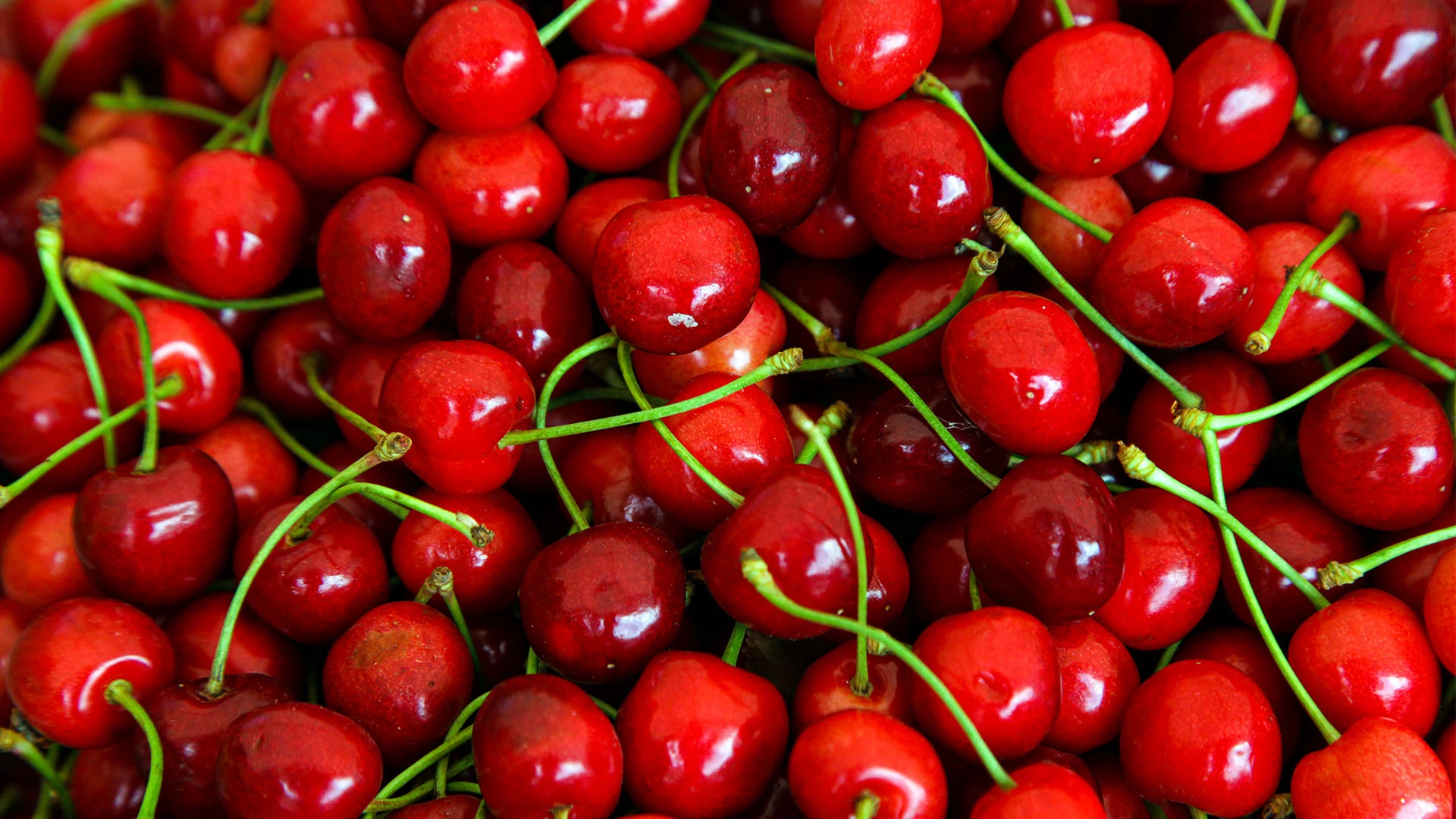
Cherries aren't just another pretty fruit in your grocery cart. These vibrant, antioxidant rich cherries pack a serious nutritional punch that puts most superfruits to shame. While the wellness world obsesses over exotic berries from distant lands, cherries have been quietly delivering exceptional health benefits right under our noses. From reducing post-workout inflammation to supporting heart health, these ruby gems contain unique compounds that science is only beginning to fully understand. Whether you're reaching for sweet Bing cherries or tart Montmorency varieties, you're getting access to powerful natural antioxidants that can transform your health game. Let's dive deep into what makes cherries true nutritional rebels in the fruit world.
The science behind antioxidant rich cherries reveals why these fruits deserve serious respect in your nutrition arsenal. Unlike many fruits that rely on a single antioxidant compound, cherries deliver a complex matrix of protective molecules that work synergistically. This multi-layered approach to cellular protection sets cherries apart from the typical fruit bowl suspects. Research shows that cherries contain over 17 different antioxidant compounds, each contributing to their impressive health profile. The combination creates what scientists call a "bioactive cocktail" that delivers benefits far beyond what individual compounds could achieve alone.
Anthocyanins steal the spotlight as the primary drivers of cherry benefits. These red pigments don't just make cherries beautiful—they're potent anti-inflammatory agents that can reduce inflammatory markers by up to 25%. Tart cherries contain significantly higher anthocyanin levels than sweet varieties, making tart cherry juice a concentrated source of these protective compounds. Vitamin C content in cherries rivals citrus fruits, with one cup providing about 16% of your daily needs. This vitamin C works alongside anthocyanins to create a powerful antioxidant defense system. Cherries also contain natural melatonin, making them unique among fruits for supporting sleep quality and brain health.
When measured by ORAC scores, cherries consistently rank in the top tier of fruit antioxidants. Tart cherries score around 12,800 ORAC units per 100 grams, placing them ahead of strawberries and raspberries. While blueberries often claim the antioxidant crown, cherries offer unique compounds like quercetin and chlorogenic acid that provide distinct health advantages. The bioavailability of cherry antioxidants also sets them apart. Studies show that cherry compounds are readily absorbed and remain active in the bloodstream for hours after consumption.
The health benefits of cherries extend far beyond basic nutrition, touching everything from athletic performance to chronic disease prevention. Clinical research has validated many traditional uses of cherries, while uncovering new therapeutic applications that challenge conventional approaches to wellness. What makes cherry research particularly compelling is the consistency of results across different populations and study designs. From weekend warriors to professional athletes, from arthritis sufferers to healthy individuals, cherries deliver measurable benefits.
Chronic inflammation drives most modern health problems, and cherries offer a natural solution that rivals pharmaceutical interventions. Studies show that consuming tart cherry juice for just two weeks can reduce inflammatory markers by 23%. This anti-inflammatory power translates into real-world benefits for people dealing with arthritis, gout, and exercise-induced inflammation. For post workout recovery, cherries work by reducing muscle damage and accelerating repair processes. Athletes who consume cherry juice before and after intense training report significantly less muscle soreness and faster strength recovery.
Cherry nutrition supports cardiovascular health through multiple pathways. The anthocyanins in cherries help relax blood vessels, leading to improved circulation and lower blood pressure. Regular cherry consumption has been linked to reduced risk of heart disease and stroke. Cherries also support healthy cholesterol levels by preventing LDL oxidation, a key step in arterial plaque formation. The potassium content helps regulate blood pressure naturally.
The antioxidants in cherries support hormonal balance by reducing oxidative stress that can disrupt endocrine function. For women, cherries provide nutrients that support menstrual health and may help manage PMS symptoms. The natural anti-inflammatory properties can reduce menstrual cramping and discomfort. During pregnancy, cherries offer safe nutrition with folate, vitamin C, and fibre. However, moderation is key due to natural sugar content.
Cherry antioxidants protect skin from UV damage and support collagen production. The vitamin C content is essential for collagen synthesis, while anthocyanins protect against free radical damage that accelerates aging. Regular cherry consumption can improve skin texture and reduce signs of photoaging.
Understanding cherry nutrition helps you maximize the benefits while fitting them into your overall dietary strategy. The nutritional profile varies between sweet and tart varieties, with each offering unique advantages for different health goals. One cup of fresh cherries provides approximately 87 calories, making them a relatively low-calorie source of powerful nutrition. The natural sugars provide quick energy, while fibre helps moderate blood sugar response.
Cherries are primarily carbohydrates, with about 22 grams per cup. This includes 3 grams of fibre and 19 grams of natural sugars. The fibre content supports digestive health and helps slow sugar absorption. Protein content is minimal at about 1.5 grams per cup, while fat content is negligible. For optimal benefits, most research suggests consuming 10-12 fresh cherries or one cup of tart cherry juice daily. This provides therapeutic levels of antioxidants without excessive sugar intake.
Beyond vitamin C, cherries provide vitamin A for eye health and vitamin K for bone health. The mineral profile includes potassium for heart health, copper for iron absorption, and manganese for bone formation. These nutrients work together to support multiple body systems. The bioavailability of cherry nutrients is enhanced when consumed with a small amount of healthy fat, which helps absorb fat-soluble vitamins.
Not all cherries are created equal when it comes to antioxidant content and health benefits. Understanding the differences between varieties helps you choose the right type for your specific health goals. Sweet cherries like Bing and Lambert varieties offer excellent taste and good nutrition, while tart cherries like Montmorency pack higher concentrations of beneficial compounds. The processing method also affects nutritional value.
Bing cherries are the most common sweet variety, offering moderate antioxidant levels with excellent palatability. Lambert cherries provide similar benefits with slightly higher anthocyanin content. Royal Ann cherries, while lighter in color, still contain valuable antioxidants. Fresh sweet cherries provide the best overall nutrition, while dried cherries concentrate some nutrients but often contain added sugars. Choose unsweetened dried varieties when fresh isn't available.
Tart cherry juice offers concentrated antioxidants in a convenient form. Montmorency cherry concentrate provides the highest levels of beneficial compounds, with some products containing the equivalent of 100 cherries per serving. However, juice lacks the fibre found in whole fruit. For post workout recovery, tart cherry juice consumed 30 minutes before and after exercise provides optimal benefits. The liquid form allows for faster absorption of active compounds.
Cherries excel as anti-inflammatory foods, but their benefits multiply when combined with other inflammation-fighting nutrients. Building an anti-inflammatory diet around whole foods like cherries creates synergistic effects that pharmaceutical approaches can't match. The key is understanding how different anti-inflammatory compounds work together. Cherries provide anthocyanins, while other foods contribute omega-3 fatty acids, curcumin, and other protective molecules.
Cherries reduce inflammation by inhibiting cyclooxygenase enzymes, similar to how aspirin works but without side effects. They also reduce production of inflammatory cytokines like TNF-alpha and interleukin-6. This dual mechanism makes cherries particularly effective for managing chronic inflammatory conditions. Studies comparing cherry consumption to NSAIDs show similar pain relief benefits without gastrointestinal risks. The natural approach also provides additional nutrients that support overall health.
Timing matters when using cherries for inflammation control. Consuming them with meals helps moderate blood sugar response, while having them post-workout maximizes recovery benefits. Combining cherries with healthy fats like nuts or seeds enhances antioxidant absorption. Pairing cherries with other natural antioxidants creates powerful combinations. At Ace Blend, we understand how different plant compounds work together, which is why our functional drinks combine multiple bioactive ingredients for maximum impact.
Maximizing the health benefits of antioxidant rich cherries doesn't mean sacrificing taste. Smart cherry recipes can enhance nutrient absorption while creating satisfying meals and snacks that support your health goals. The key is combining cherries with complementary ingredients that boost their antioxidant power. Protein, healthy fats, and other antioxidant-rich foods create synergistic effects.
Blend tart cherry juice with plant-based protein powder, spinach, and a banana for the ultimate recovery smoothie. The natural sugars help replenish glycogen while antioxidants reduce inflammation. Adding a tablespoon of chia seeds provides omega-3 fatty acids for additional anti-inflammatory benefits. For hydration, mix tart cherry juice with coconut water and a pinch of sea salt. This creates a natural electrolyte drink that supports recovery without artificial additives.
Cherry overnight oats combine fibre, protein, and antioxidants in one convenient meal. Mix rolled oats with almond milk, chia seeds, and fresh cherries. Let it sit overnight for a ready-to-eat breakfast that provides sustained energy. Energy balls made with dried cherries, nuts, and dates offer portable nutrition. The combination of healthy fats, natural sugars, and antioxidants makes them perfect for pre-workout fuel.
Cherries aren't just for sweet applications. A cherry quinoa salad with anti-inflammatory herbs like turmeric and ginger creates a nutrient-dense meal. The combination provides complete protein, fibre, and powerful antioxidants. Cherry vinaigrette made with olive oil and balsamic vinegar enhances nutrient absorption from salad greens while adding antioxidant power to any meal.
While cherries are generally safe for most people, understanding potential considerations helps you maximize benefits while avoiding any issues. Like any food, moderation and individual tolerance matter. Most people can enjoy cherries without problems, but certain conditions require extra attention. Blood sugar management and digestive sensitivity are the primary concerns.
People with diabetes should monitor blood sugar when consuming cherries, especially juice forms. The natural sugars can affect glucose levels, though the fiber in whole cherries helps moderate this response. Starting with smaller portions allows you to assess individual tolerance. Some people experience digestive sensitivity with large amounts of cherries. The sorbitol content can cause bloating or loose stools in sensitive individuals. Limiting intake to recommended amounts typically prevents these issues.
Fresh cherries maintain peak antioxidant levels when stored properly in the refrigerator. Frozen cherries retain most of their nutritional value and offer year-round availability. Avoid cherries with soft spots or wrinkled skin, as these indicate nutrient degradation. Washing cherries just before eating preserves their protective coating and prevents premature spoilage. Gentle handling maintains the integrity of delicate antioxidant compounds.
Answer: Yes, cherries rank among the highest antioxidant fruits, with tart varieties containing particularly high levels of anthocyanins and vitamin C. Their ORAC scores place them in the top tier of antioxidant-rich foods.
Answer: Tart cherries, especially Montmorency varieties, contain higher concentrations of beneficial compounds compared to sweet cherries. However, both types offer valuable nutrition and health benefits.
Answer: Tart cherry juice provides concentrated antioxidants but lacks the fibre found in whole fruit. For post workout recovery, juice offers faster absorption, while whole cherries provide better blood sugar control.
Answer: Research suggests 10-12 fresh cherries or one cup of tart cherry juice daily provides therapeutic levels of antioxidants without excessive sugar intake. Individual needs may vary based on health goals.
Answer: Most people tolerate cherries well, but large amounts may cause digestive upset in sensitive individuals. People with diabetes should monitor blood sugar when consuming cherry juice due to natural sugar content.
Answer: Frozen cherries maintain most of their antioxidant content and offer a convenient year-round option. Flash-freezing preserves nutritional value better than other preservation methods.
Antioxidant rich cherries represent one of nature's most powerful tools for fighting inflammation and supporting optimal health. From their impressive ORAC scores to their unique combination of anthocyanins, vitamin C, and natural melatonin, cherries deliver benefits that extend far beyond basic nutrition. The evidence supporting cherry benefits continues to grow, with research validating everything from post workout recovery to heart health support.
Whether you choose sweet varieties for everyday snacking or tart cherry juice for targeted therapeutic benefits, you're accessing compounds that can genuinely transform your health trajectory. What sets cherries apart isn't just their antioxidant content—it's their unique ability to address multiple health concerns simultaneously. This makes them perfect allies in a comprehensive approach to wellness that prioritizes natural, science-backed solutions over quick fixes.


Someone sent you
Powered by ReferRush