


Wheat Roti Calories: Your Complete Nutrition Guide

Get personalised recommendations with our assessment.
Personalised Health Diagnosis (PHD)
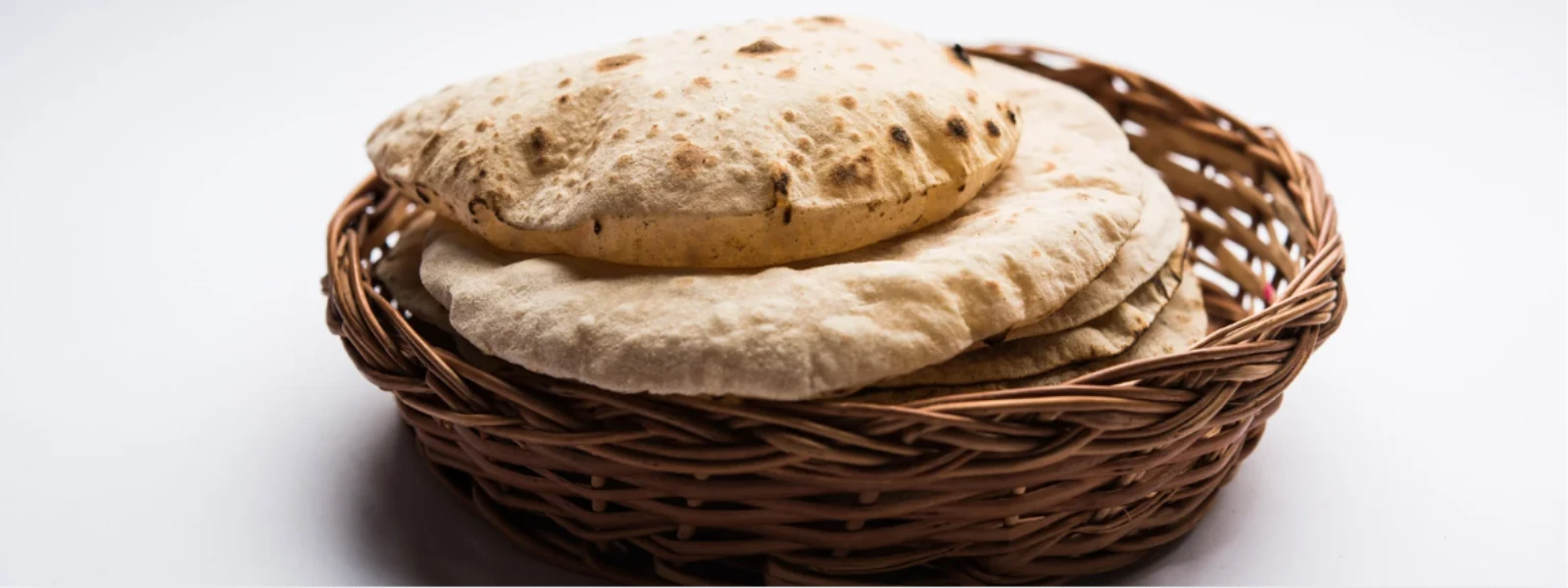
When it comes to understanding the nutritional landscape of Indian cuisine, wheat roti stands as one of the most fundamental yet misunderstood staples. While countless fitness enthusiasts and health-conscious individuals obsess over calorie counting, the reality is that most people have no clue about the actual nutritional profile of this daily bread. The confusion around wheat roti calories isn't just about numbers—it's about understanding how this ancient grain fits into modern nutrition science. Whether you're tracking macros for weight management or simply want to make informed dietary choices, getting the facts straight about roti calories can transform your approach to healthy eating.
The calorie content in wheat roti isn't a one-size-fits-all number, and anyone telling you otherwise is oversimplifying nutrition science. The reality is that roti calories vary significantly based on size, thickness, cooking method, and the type of flour used. Understanding these variables is crucial for accurate nutritional tracking and meal planning. Most nutrition databases provide generic numbers that don't reflect real-world variations. A typical medium-sized homemade roti contains approximately 100-120 calories, but this baseline can shift dramatically based on preparation methods.
A small roti with a 15 cm diameter typically weighs around 30 grams and contains 70-90 calories. This size is perfect for portion control and works well for those managing caloric intake or following specific dietary protocols.
The most common serving size, a medium roti with an 18 cm diameter weighs approximately 40 grams and provides 100-120 calories. This represents the standard portion most people consume at home.
Large rotis, often served in restaurants or family-style meals, measure about 20 cm in diameter, weigh around 50 grams, and contain 130-150 calories. These portions can significantly impact daily caloric intake if consumed regularly.
For standardized comparison, wheat roti contains approximately 300 calories per 100 grams. This measurement serves as a baseline for comparing different grain options and understanding nutritional density.
Wheat roti nutrition extends far beyond simple calorie counting. The nutritional value of roti encompasses a complex profile of macronutrients, vitamins, and minerals that contribute to overall health and wellness. Understanding this complete picture helps you make informed decisions about incorporating roti into your daily nutrition plan. The beauty of wheat roti lies in its balanced macronutrient profile. Unlike processed foods that spike blood sugar or leave you hungry shortly after eating, roti provides sustained energy through complex carbohydrates while delivering essential nutrients.
A medium-sized roti delivers 18-22 grams of complex carbohydrates, providing sustained energy without the blood sugar spikes associated with refined grains. The protein content ranges from 3-4 grams, contributing to daily protein requirements. Fat content remains naturally low at 0.5-3.7 grams, depending on cooking method. Fibre content of 2-3 grams supports digestive health and satiety.
Wheat roti provides B-vitamins essential for energy metabolism, iron for healthy blood formation, magnesium for muscle function, and phosphorus for bone health. These micronutrients work synergistically to support various bodily functions.
Compared to white bread, wheat roti offers superior nutritional density with fewer calories per serving. Alternative grain rotis like jowar, bajra, or ragi may have slightly different calorie profiles but generally fall within similar ranges while offering unique nutritional benefits.
The calorie content in your roti isn't fixed—it's influenced by multiple factors that can significantly alter the nutritional profile. Understanding these variables empowers you to make conscious choices about preparation methods and portion sizes. Many people unknowingly consume far more calories than expected simply because they're unaware of how cooking methods impact nutritional content. The difference between a dry-roasted roti and one cooked with ghee can add 30-50 calories per serving. Over time, these seemingly small differences compound into significant caloric variations that can impact weight management goals.
Dry-roasted roti represents the lowest calorie option at 100-120 calories per medium serving. Adding ghee increases calories by 30-50 per teaspoon used. Oil-brushed rotis add 40-60 additional calories, while shallow-fried preparations can double the calorie content.
Whole wheat flour provides more fibre and nutrients compared to refined flour, with minimal calorie differences. Multigrain flour variations may slightly alter calorie content while enhancing nutritional diversity. Fresh homemade dough typically contains fewer additives than store-bought alternatives.
Thicker rotis contain more calories per serving due to increased flour content. Homemade portion control allows for consistent sizing, while restaurant servings often exceed standard portions. Understanding these variations helps with accurate calorie tracking.
The health benefits of wheat roti extend far beyond basic nutrition, making it a valuable component of a balanced diet. Unlike processed alternatives, roti provides sustained energy, supports digestive health, and contributes to overall wellness when consumed as part of a balanced meal plan. The key lies in understanding how to leverage these benefits for your specific health goals. Roti's complex carbohydrate structure provides steady glucose release, preventing the energy crashes associated with simple carbohydrates. This makes it an excellent choice for maintaining stable energy levels throughout the day.
Complex carbohydrates in roti promote satiety, helping control appetite and reduce overall caloric intake. The fibre content slows digestion, leading to prolonged fullness. The relatively low glycemic index helps maintain stable blood sugar levels, reducing cravings for processed foods.
The fibre in wheat roti supports healthy digestion and regular bowel movements. It's generally easier to digest than many processed bread alternatives. The prebiotic properties of wheat fiber support beneficial gut bacteria growth.
Roti provides sustained energy release, making it ideal for pre and post-workout nutrition. Better blood sugar control compared to refined grains helps prevent energy crashes. The balanced macronutrient profile supports steady glucose metabolism.
Creating healthy roti variations doesn't require sacrificing taste or tradition. Smart preparation methods and ingredient modifications can enhance nutritional value while maintaining the authentic flavors you love. The key is understanding which modifications provide the most nutritional bang for your buck without compromising the essential characteristics that make roti such a beloved staple. Experimenting with different preparation methods allows you to customize roti to meet specific dietary goals while keeping meals interesting and flavorful.
Prepare dough using only water and flour to minimize added calories. Use dry roasting techniques on non-stick pans to avoid added fats. Cook on medium heat to ensure even cooking without burning, which can create harmful compounds.
Mixed grain rotis combine wheat with millets for enhanced nutrition. Vegetable-incorporated rotis add nutrients while maintaining taste. Protein-enhanced options using besan or other legume flours boost protein content significantly.
Balance roti with protein-rich dal and fibre-rich vegetables for complete nutrition. Optimal serving sizes depend on individual caloric needs and activity levels. Pairing strategies can optimize nutrient absorption and satiety.
A medium-sized wheat roti contains approximately 100-120 calories. The exact number depends on size, thickness, and cooking method. Small rotis contain 70-90 calories, while large ones can have 130-150 calories.
Yes, wheat roti can support weight loss when consumed in appropriate portions. The complex carbohydrates and fibre promote satiety, helping control overall caloric intake. The key is portion control and pairing with nutrient-dense foods.
For weight loss, 2-3 rotis per day is generally appropriate. For maintenance, 3-4 rotis work well for most people. Individual needs vary based on activity level, age, gender, and overall caloric requirements.
Wheat roti and chapati are essentially the same food with identical calorie content. Regional terminology may vary, but the nutritional profile remains consistent when made with the same ingredients and preparation methods.
Cooking methods significantly impact calorie content. Dry-roasted rotis have the lowest calories, while those cooked with ghee or oil can add 30-60 calories per serving. The cooking fat used determines the final caloric value.
Homemade rotis are typically healthier as you control ingredients and preparation methods. Store-bought options may contain preservatives and additives. Fresh preparation also ensures optimal nutrient retention and taste.
Understanding wheat roti calories empowers you to make informed nutritional choices that align with your health goals. The calorie content varies significantly based on size, preparation method, and ingredients used, making awareness of these factors crucial for accurate dietary tracking. Wheat roti offers substantial nutritional benefits beyond simple calorie counting, including complex carbohydrates, fibre, and essential micronutrients that support overall health and wellness. The key to incorporating roti into a healthy diet lies in portion control, preparation methods, and balanced meal planning. Whether your goal is weight management, sustained energy, or simply maintaining a nutritious diet, wheat roti can play a valuable role when consumed mindfully.


Someone sent you
Error
Powered by ReferRush