


What the Pros Know About Curcumin Anti-inflammatory Benefits

Get personalised recommendations with our assessment.
Personalised Health Diagnosis (PHD)
Inflammation is one of the most misunderstood forces in modern health. It runs quietly in the background, driving conditions most people never connect to it. And right at the center of the conversation around managing it naturally sits one compound that researchers keep returning to — curcumin. Most people have a vague sense of the health benefits of turmeric, but curcumin is the real story inside that golden root. The curcumin anti-inflammatory benefits go far deeper than what a wellness headline can capture. This is the insider breakdown — what the pros understand about turmeric curcumin that casual users consistently miss.
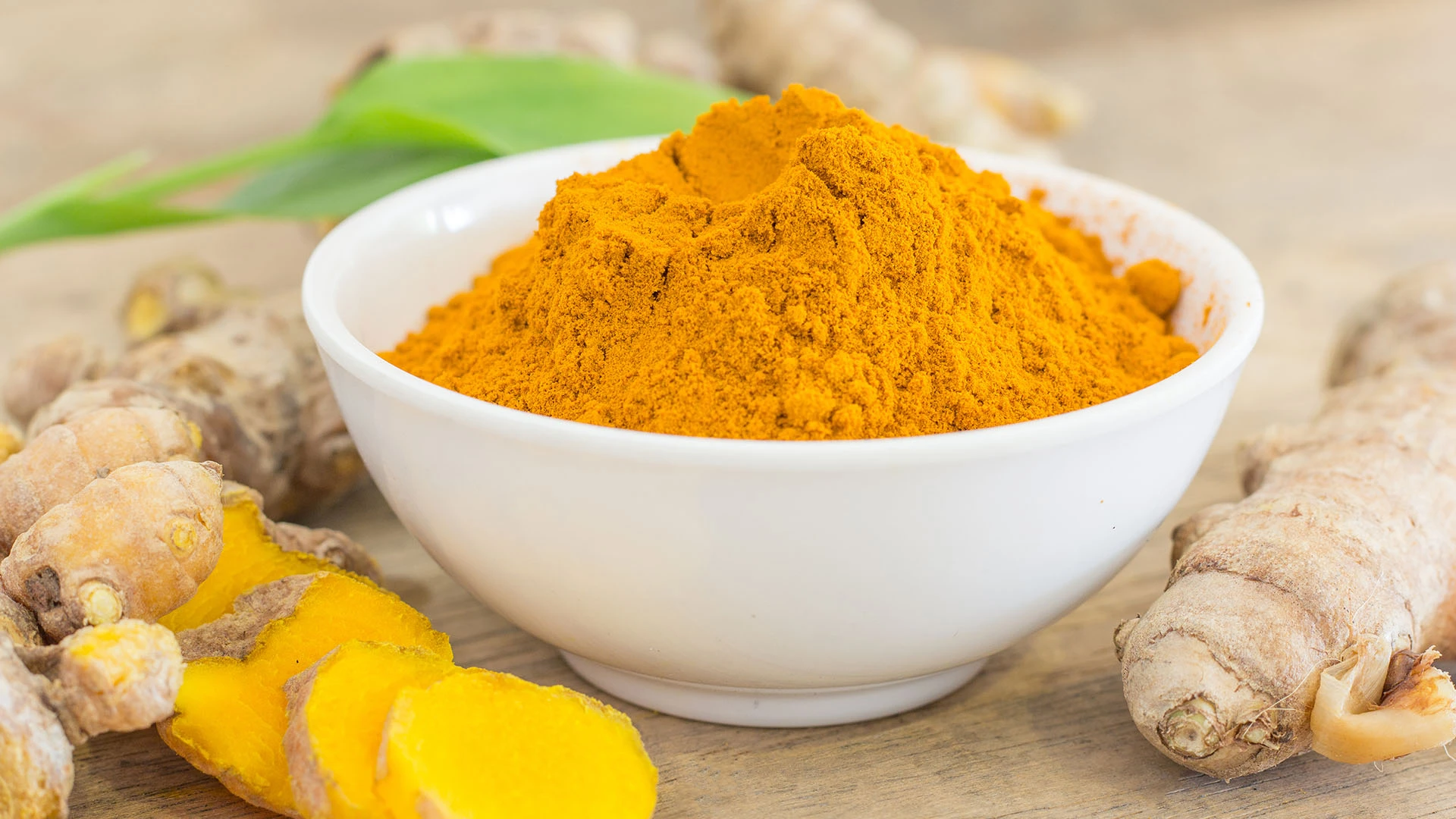
Curcumin is the primary bioactive polyphenol found in turmeric root. What makes it genuinely compelling to researchers is not just that it reduces inflammation — it is how it does it. Unlike single-pathway pharmaceutical approaches, curcumin works across multiple biological targets simultaneously, making it one of the most studied natural anti-inflammatory compounds in modern nutritional science.
At the center of its mechanism is NF-kB — nuclear factor kappa B — a protein complex that acts as a master regulator of inflammatory gene expression. When NF-kB is overactivated, it triggers a cascade of inflammatory responses throughout the body. Curcumin has been shown to suppress this pathway, which is a significant part of why curcumin anti-inflammatory benefits are taken seriously in clinical research circles. The multi-target action is what separates it from most other curcumin benefits you will read about.
Curcumin directly influences several key inflammatory markers — including COX-2 enzymes, pro-inflammatory cytokines like TNF-alpha and IL-6, and oxidative stress pathways. This is why curcumin benefits are studied across such a wide range of conditions, from joint health to metabolic function. The breadth of its cellular reach is what makes it a standout tool for inflammation relief and a serious subject of natural anti-inflammatory research.
Most people think of inflammation as swelling after an injury or soreness after a hard workout. That is acute inflammation — a short-term, protective response that your body uses to heal. It is necessary and healthy. The problem is chronic, low-grade inflammation, which is a different beast entirely. It does not announce itself with obvious symptoms. It simmers quietly over months and years, contributing to cardiovascular stress, metabolic dysfunction, and joint degradation.
This is why understanding anti-inflammatory foods and compounds like curcumin matters beyond just managing pain. The health benefits of turmeric and its active compounds are increasingly being studied in the context of long-term systemic health, not just acute inflammation relief. Managing chronic inflammation is one of the most impactful things a person can do for their long-term wellbeing, and natural anti-inflammatory strategies are becoming a core part of that conversation.
There is no shortage of anti-inflammatory foods — ginger, omega-3-rich fish, leafy greens, and berries all carry meaningful benefits. Curcumin does not dismiss these. It sits within a broader dietary strategy. But what makes curcumin a standout is the concentration of its active compounds, the sheer breadth of its molecular targets, and the volume of clinical research behind it. No other single plant compound has been studied as extensively in the context of inflammation.
There is also a practical gap worth noting. Cooking with turmeric delivers a fraction of the curcumin needed to produce measurable effects. The turmeric benefits you get from a curry are real but modest. Concentrated supplementation is where the curcumin benefits documented in research actually become achievable.
Compared to ginger, omega-3s, and boswellia, curcumin leads in breadth of research and multi-pathway action. Ginger shares some overlapping mechanisms but has a narrower research base. Omega-3s are powerful for cardiovascular and joint health but work through different pathways. Boswellia is a strong complement to curcumin, and combining them is a strategy some practitioners use. The point is not that curcumin wins — it is that it earns its place as a cornerstone of any serious natural anti-inflammatory approach, and curcumin supplements are often the most practical way to access its full potential.
Here is where most curcumin conversations fall short. Curcumin has a well-documented bioavailability problem. On its own, it is poorly absorbed — it metabolizes rapidly, has low solubility in water, and much of it passes through the body before it can do meaningful work. This is why people take basic turmeric supplements or add turmeric powder to their smoothies and feel nothing. The compound simply does not reach the bloodstream in sufficient concentrations.
This gap between taking turmeric curcumin and actually benefiting from it is the critical knowledge divide between casual users and informed ones. Understanding curcumin absorption is not a minor detail — it is the difference between a supplement that works and one that does not. Most curcumin supplements on the market do not address this adequately.
Three main strategies improve curcumin absorption meaningfully. First, piperine — the active compound in black pepper — has been shown in published research to increase curcumin bioavailability dramatically when combined in the right ratio. Second, lipid-based delivery systems improve solubility since curcumin is fat-soluble. Third, phospholipid complexes — known as phytosome technology — bind curcumin to phospholipids, significantly improving how much the body can actually use. These are the formulation details that separate effective curcumin supplements from ineffective ones.
Thousands of peer-reviewed studies have examined curcumin across a range of health outcomes. The areas with the most consistent findings include joint health and mobility, markers of oxidative stress, and metabolic health indicators. Research suggests curcumin can meaningfully support inflammation relief in adults with chronic joint discomfort, and its antioxidant properties are well-established. The curcumin anti-inflammatory benefits documented in clinical literature are not fringe findings — they represent a growing body of evidence that mainstream nutrition science is taking seriously.
That said, it is worth being honest about where the research is still evolving. Curcumin is not a cure. It is a complementary tool. Some studies show strong effects; others show modest ones, often depending on the formulation used. Expert consensus is building around curcumin as a meaningful addition to an anti-inflammatory lifestyle — not a replacement for medical care, but a well-supported one. The health benefits of turmeric and its active compounds are real, and the science behind them continues to strengthen.
The most common question people have is straightforward — how much should I actually take? Research-supported ranges for curcumin dosage generally fall between 500 mg and 2,000 mg of standardized curcumin extract per day, depending on the formulation and the intended purpose. This is not the same as turmeric powder dosage. Turmeric root contains only about 2–5% curcumin by weight, so the two are not interchangeable when it comes to therapeutic use.
Timing also matters. Taking curcumin supplements with a fat-containing meal improves absorption, since curcumin is fat-soluble. For anyone on medications or managing a specific health condition, consulting a healthcare provider before starting is the right move. Curcumin absorption and effective turmeric curcumin use depend heavily on formulation quality, so the supplement you choose matters as much as the dose.
Research suggests certain groups see the most meaningful results from consistent curcumin use. Adults dealing with chronic joint discomfort or stiffness are among the most studied populations, with multiple trials showing support for mobility and comfort. Individuals with elevated inflammatory markers, active people managing exercise-induced inflammation, and those focused on long-term metabolic and cardiovascular health are also strong candidates.
It is worth being clear — curcumin supplements are not a medical treatment. They are a well-researched natural anti-inflammatory tool that supports the body's own processes. The curcumin benefits documented in research are most relevant as part of a broader health strategy, not as a standalone solution. Inflammation relief through curcumin is real, but it works best alongside smart lifestyle choices.
Consistency is the variable most people underestimate. Turmeric curcumin benefits build over time — this is not a compound that delivers dramatic results overnight. Research timelines typically point to four to eight weeks of regular use before measurable changes in inflammatory markers become apparent. Taking it with meals, particularly those containing healthy fats, is a practical habit that supports better curcumin dosage effectiveness.
Beyond supplementation, the lifestyle context matters. A diet rich in anti-inflammatory foods, quality sleep, managed stress, and regular movement all compound curcumin's effects. The turmeric benefits you get from a supplement are amplified when the rest of your daily habits are working in the same direction. Think of curcumin as one well-chosen piece of a larger, smarter approach to health.
At Ace Blend, our approach to curcumin formulation starts with one non-negotiable — bioavailability. We have seen how the market is flooded with curcumin supplements that look good on a label but underdeliver in practice, precisely because the absorption science is ignored. What we have learned is that the compound itself is only half the equation. How it is delivered determines whether it actually works.
Our understanding of curcumin absorption science directly shapes how we think about formulation — standardized extract concentration, delivery mechanisms, and clean ingredient profiles are not afterthoughts for us, they are the foundation. The curcumin anti-inflammatory benefits that research documents are only accessible when the supplement is built to actually get curcumin into the body. That is the standard we hold ourselves to, and it is why we take turmeric curcumin formulation as seriously as we do.
Curcumin works across multiple inflammatory pathways simultaneously — suppressing NF-kB activity, reducing pro-inflammatory cytokines, and lowering oxidative stress. The primary curcumin anti-inflammatory benefits include support for joint health, reduction in chronic low-grade inflammation, and antioxidant protection. These curcumin benefits are backed by a substantial body of peer-reviewed research.
Research-supported curcumin dosage ranges from 500 mg to 2,000 mg of standardized curcumin extract per day, depending on the formulation and purpose. Turmeric powder and curcumin extract are not the same — dosage guidance differs significantly between the two. Taking curcumin supplements with a fat-containing meal improves effectiveness, and consulting a healthcare provider is advisable for personalized guidance.
No — turmeric is the root, and curcumin is the active compound found within it. Turmeric contains only about 2–5% curcumin by weight, which is why cooking with turmeric delivers far less than what research uses therapeutically. The health benefits of turmeric are largely attributed to curcumin, but turmeric curcumin supplements use concentrated, standardized extracts to reach meaningful levels.
Curcumin is naturally poorly absorbed — it metabolizes quickly and has low water solubility, meaning much of a basic supplement passes through the body unused. Poor curcumin absorption is why many people try curcumin supplements and notice little effect. Formulations that include piperine, lipid-based delivery, or phytosome technology are significantly more effective at getting curcumin into the bloodstream.
Most research points to four to eight weeks of consistent use before measurable changes in inflammatory markers become apparent. Individual variation plays a role, as does formulation quality and dosage. Inflammation relief through curcumin is a gradual process — the curcumin benefits build with regular, sustained use rather than short-term supplementation.
Practically speaking, no. Cooking with turmeric delivers a small fraction of the curcumin levels used in clinical research. The turmeric benefits from dietary sources are real but modest. For anyone looking to use curcumin as a meaningful anti-inflammatory food strategy, supplementation with a standardized extract is typically necessary to reach a therapeutic curcumin dosage.
Curcumin is one of the most researched natural anti-inflammatory compounds available, but its effectiveness depends on more than just taking a supplement. Here is what matters most:
Curcumin anti-inflammatory benefits are real and well-documented, working across multiple biological pathways simultaneously.
Chronic inflammation is a systemic issue — managing it proactively is one of the highest-leverage health decisions you can make.
Curcumin absorption is the most overlooked factor — formulation quality determines whether a supplement actually works.
Effective curcumin supplements use bioavailability-enhancing technologies like piperine or phytosome delivery.
Consistent use over four to eight weeks is typically needed before inflammation relief becomes measurable.
Curcumin works best as part of a broader anti-inflammatory lifestyle — not as a standalone fix.
Think of curcumin as a long-term investment in how your body handles stress, aging, and inflammation — not a quick fix, but one of the smarter tools available when used correctly.


Someone sent you
Powered by ReferRush