


Calories in Two Rotis: Complete Nutrition Guide

Get personalised recommendations with our assessment.
Personalised Health Diagnosis (PHD)
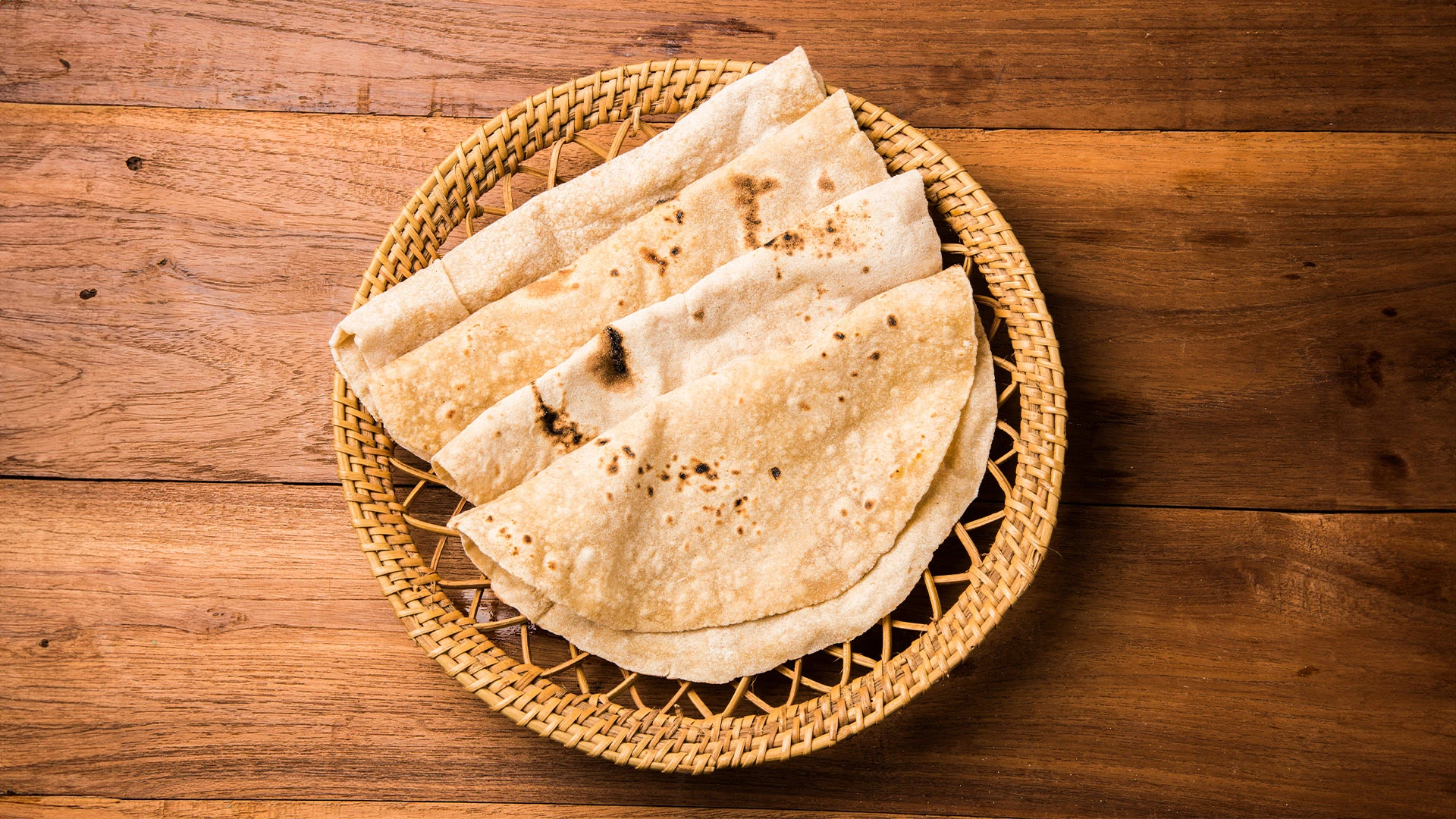
Two rotis are a staple in millions of Indian households, but how many calories are you actually consuming? Whether you're tracking your daily intake or planning balanced meals, understanding the caloric content of this beloved bread is crucial. The answer isn't as straightforward as you might think—size, preparation method, and ingredients all play a role. Let's break down everything you need to know about two rotis calories and how they fit into your nutrition goals.
Two medium-sized rotis contain approximately 240 calories. This figure represents the most common serving size, but the actual count varies based on several factors. Understanding these variations helps you make informed dietary choices. The size of your rotis significantly impacts the calorie count. Here's a breakdown based on different sizes:
• Small rotis (30g each): 168 calories total
• Medium rotis (40g each): 240 calories total
• Large rotis (50g each): 280 calories total
Thickness also matters. Thicker rotis naturally contain more flour and therefore more calories. The cooking method plays a role too—rotis cooked with oil or ghee will have higher calorie content than those cooked dry on a tawa.
Several elements influence the final caloric content of your rotis. The type of flour used makes a difference—whole wheat flour contains slightly more calories than refined flour due to its higher fibre and protein content. Cooking technique impacts calories significantly. Dry-roasted rotis contain fewer calories compared to those brushed with oil or ghee during preparation.
Beyond calories, two rotis provide a substantial nutritional profile that supports your daily dietary needs. Understanding this breakdown helps you appreciate why rotis remain a cornerstone of healthy eating patterns. The macronutrient distribution in two medium rotis includes:
• Carbohydrates: 48-50g (primary energy source)
• Protein: 8-10g (muscle building and repair)
• Fat: 2-3g (minimal, depends on cooking method)
• Fibre: 6-8g (digestive health support)
Two rotis contribute meaningful amounts of essential micronutrients. They provide iron for oxygen transport, B-vitamins for energy metabolism, and magnesium for muscle function. The fibre content in whole wheat rotis supports digestive health and helps maintain stable blood sugar levels. This makes rotis a smart choice for sustained energy throughout the day.
While rotis aren't complete proteins, they provide essential amino acids that complement other protein sources in your meals. Pairing rotis with dal or vegetables creates a more complete amino acid profile. The protein in rotis contributes to muscle maintenance and helps you feel satisfied after meals. This satiety factor makes rotis valuable for weight management goals.
Not all Indian breads are created equal when it comes to calories. Understanding these differences helps you make choices aligned with your health goals. Here's how two pieces of different Indian breads compare calorically:
• Whole wheat roti: 240 calories
• Thin chapati: 220 calories
• Jowar roti: 200 calories
• Bajra roti: 210 calories
• Makka roti: 220 calories
• Ragi roti: 180 calories
Ragi rotis emerge as the lowest-calorie option while providing superior mineral content, particularly calcium and iron. Jowar rotis offer excellent fibre content and are naturally gluten-free. Whole wheat rotis strike a balance between taste, nutrition, and caloric density. They're widely available and provide consistent nutritional benefits.
Different grains have varying glycemic indices, affecting blood sugar response. Bajra and jowar rotis typically have lower glycemic indices compared to wheat rotis. This makes alternative grain rotis particularly beneficial for people managing diabetes or those seeking stable energy levels throughout the day.
Integrating two rotis into your daily meal plan requires strategic thinking about accompanying foods and overall caloric balance. Smart pairing maximizes nutritional benefits while supporting your health goals. Popular meal combinations and their approximate total calories include:
• 2 rotis + dal + sabzi: 400-500 calories
• 2 rotis + chicken curry: 500-600 calories
• 2 rotis + paneer sabzi: 450-550 calories
• 2 rotis + curd + pickle: 350-400 calories
Balancing roti consumption with other food groups ensures nutritional completeness. Aim to fill half your plate with vegetables, one-quarter with rotis, and one-quarter with protein sources. Timing matters too. Consuming rotis earlier in the day provides energy for daily activities, while lighter evening meals support better sleep quality.
For weight loss goals, two rotis can fit comfortably into a calorie-controlled diet when paired with low-calorie, nutrient-dense accompaniments like vegetables and lean proteins. Those looking to gain weight can increase portion sizes or add healthy fats like ghee or nuts to their roti-based meals.
Understanding the exercise equivalent of 240 calories helps put roti consumption into perspective and supports active lifestyle choices. Physical activity remains crucial for overall health beyond just calorie balance. To burn the calories from two rotis, you would need:
• Brisk walking: 50-60 minutes
• Jogging: 25-30 minutes
• Cycling: 40-45 minutes
• Swimming: 30-35 minutes
• Yoga: 80-90 minutes
• Weight training: 35-40 minutes
Your individual metabolic rate affects how quickly you burn these calories. Factors like age, gender, muscle mass, and activity level all influence your personal calorie burn rate. Building lean muscle through resistance training increases your metabolic rate, making it easier to maintain a healthy weight while enjoying foods like rotis.
You don't need dedicated exercise sessions to burn roti calories. Taking stairs, walking during phone calls, or doing household chores all contribute to your daily calorie expenditure. The key is maintaining an active lifestyle that naturally balances your caloric intake with energy expenditure.
Optimizing roti preparation and ingredients can enhance their nutritional value while potentially reducing calories. Small changes make significant differences over time. Healthier preparation methods include:
• Oil-free cooking: Use a non-stick pan or well-seasoned cast iron
• Adding vegetables: Mix grated carrots, spinach, or methi into the dough
• Portion control: Make slightly smaller rotis and eat mindfully
• Whole grain alternatives: Experiment with mixed grain flours
For weight loss, add fiber-rich ingredients like flax seeds or psyllium husk to increase satiety. For diabetes management, incorporate low-glycemic flours like almond or coconut flour in small amounts. Those focused on muscle building can add protein powder to roti dough, creating a more protein-dense bread option.
Fresh rotis taste better and may have slightly better nutritional retention compared to stored ones. Make rotis just before meals when possible. If you must store them, wrap in clean cloth rather than plastic to maintain texture and prevent moisture buildup.
Answer: Two medium-sized rotis contain approximately 240 calories. This can range from 220-280 calories depending on size, thickness, and preparation method.
Answer: Two rotis provide adequate carbohydrates for most people when paired with protein sources like dal or vegetables. This combination typically creates a balanced 400-500 calorie meal.
Answer: Chapatis are typically thinner than rotis, containing slightly fewer calories. Two chapatis contain about 220 calories compared to 240 calories for two regular rotis.
Answer: Two rotis represent about 20% of a 1200-calorie diet, leaving adequate room for proteins, vegetables, fruits, and healthy fats throughout the day.
Answer: Yes, two rotis can be part of a weight loss diet when combined with vegetables, lean proteins, and portion control of other foods. The key is maintaining a caloric deficit.
Answer: Ragi rotis have the lowest calorie content at approximately 180 calories for two pieces, while also providing superior mineral content, especially calcium and iron.
Answer: Yes, rotis cooked with oil or ghee contain additional calories. Each teaspoon of oil adds about 40 calories, so oil-cooked rotis can contain 260-280 calories for two pieces.
Answer: Two rotis provide 8-10g of protein, which is incomplete but valuable when combined with dal or vegetables. This combination creates a more complete amino acid profile.
Two rotis deliver approximately 240 calories along with essential carbohydrates, protein, and fibre that support your daily nutritional needs. The exact calorie count varies based on size, preparation method, and ingredients used. Smart meal planning incorporates rotis as part of balanced combinations with vegetables and proteins. This approach maximizes nutritional benefits while supporting various health goals, from weight management to muscle building. Remember that calories are just one piece of the nutrition puzzle. The quality of ingredients, preparation methods, and overall dietary patterns matter more than obsessing over exact calorie counts. Focus on whole grains, mindful eating, and balanced meals for optimal health outcomes.


Someone sent you
Powered by ReferRush