


The Ultimate Checklist for Clean Label Plant-Based Nutrition

Get personalised recommendations with our assessment.
Personalised Health Diagnosis (PHD)
The plant-based revolution has transformed how we think about nutrition, but not all plant foods are created equal. Clean label plant-based nutrition cuts through the marketing noise to focus on what truly matters: pure, minimally processed ingredients that fuel your body without compromise. This approach prioritizes transparency, simplicity, and nutritional integrity over flashy packaging and artificial enhancements. Whether you're transitioning to plant-based eating or refining your current approach, understanding clean label principles becomes your compass for navigating the complex world of modern nutrition.
Clean label plant-based nutrition represents a return to food fundamentals. It emphasizes whole food plant-based diet principles while maintaining strict standards for ingredient transparency and processing methods.
True clean label products contain five ingredients or fewer, all of which you can pronounce and recognize. These natural plant-based foods avoid artificial preservatives, colors, and flavors entirely. The sourcing and processing methods remain transparent, allowing you to trace your food from farm to table.
Research consistently shows that minimally processed plant foods deliver superior bioavailability compared to synthetic alternatives. Whole plants contain natural co-factors and synergistic compounds that work together to enhance nutrient absorption. This natural synergy explains why isolated nutrients often fail to replicate the benefits of consuming whole food sources.
Building a foundation of clean label plant-based nutrition starts with understanding which food categories deliver maximum nutritional impact. Focus on these core groups to create a robust, nutrient-dense eating pattern.
Quinoa, amaranth, and buckwheat represent the gold standard for clean grain consumption. These ancient seeds provide complete amino acid profiles while remaining free from processing aids and artificial additives. Store them in airtight containers and rinse thoroughly before cooking to remove natural saponins.
Legumes, nuts, and seeds form the protein backbone of clean plant nutrition. Choose varieties without added oils, salt, or preservatives. Raw almonds, organic lentils, and hemp seeds exemplify plant-derived ingredients that deliver protein without compromise. Combine different protein sources throughout the day to ensure complete amino acid profiles.
Seasonal, locally-sourced vegetables provide the highest nutrient density and freshest flavors. Frozen vegetables can match fresh nutritional content when flash-frozen at peak ripeness, but avoid varieties with added sauces or seasonings. Organic options reduce pesticide exposure, though conventional vegetables still offer significant health benefits.
This comprehensive checklist transforms clean label principles into actionable daily practices. Use it as your guide for meal planning, shopping, and kitchen preparation.
Breakfast Checklist:
✅ Include one whole grain or seed (oats, quinoa, chia)
✅ Add fresh or frozen fruit without added sugars
✅ Include healthy fats from nuts, seeds, or avocado
✅ Choose plant milk with minimal ingredients
Lunch and Dinner Components:
✅ Fill half your plate with colorful vegetables
✅ Include one serving of legumes or clean plant protein
✅ Add whole grains or starchy vegetables
✅ Incorporate healthy fats from whole food sources
Shop the perimeter of grocery stores first, focusing on fresh produce, bulk bins, and refrigerated plant foods. Create a master list of staple items that meet clean label standards. This approach streamlines shopping while ensuring you always have nutrient-dense vegan options available.
Even plant-based products can harbor unwanted additives that compromise their clean label status. Developing label-reading skills protects you from marketing tactics that obscure ingredient quality.
Preservatives like BHA, BHT, and sodium benzoate frequently appear in processed plant foods. Artificial flavors and colors, even those derived from plants, indicate unnecessary processing. Emulsifiers and stabilizers in plant-based alternatives often signal departure from whole food principles.
"Natural flavors" can include hundreds of synthetic compounds legally classified as natural. "Plant-based" doesn't guarantee minimal processing or clean ingredients. True clean label products use specific ingredient names rather than vague categories. Look for simple ingredient plant foods that list actual food items rather than chemical compounds.
Clean label plant-based nutrition isn't just about avoiding additives—it's about optimizing nutrient absorption and bioavailability. Strategic food combinations and preparation methods enhance your body's ability to utilize plant nutrients effectively.
Combine vitamin C-rich foods with iron sources to boost absorption. Pair healthy fats with fat-soluble vitamins A, D, E, and K. Fermented foods improve overall digestive health, enhancing nutrient uptake from all foods consumed.
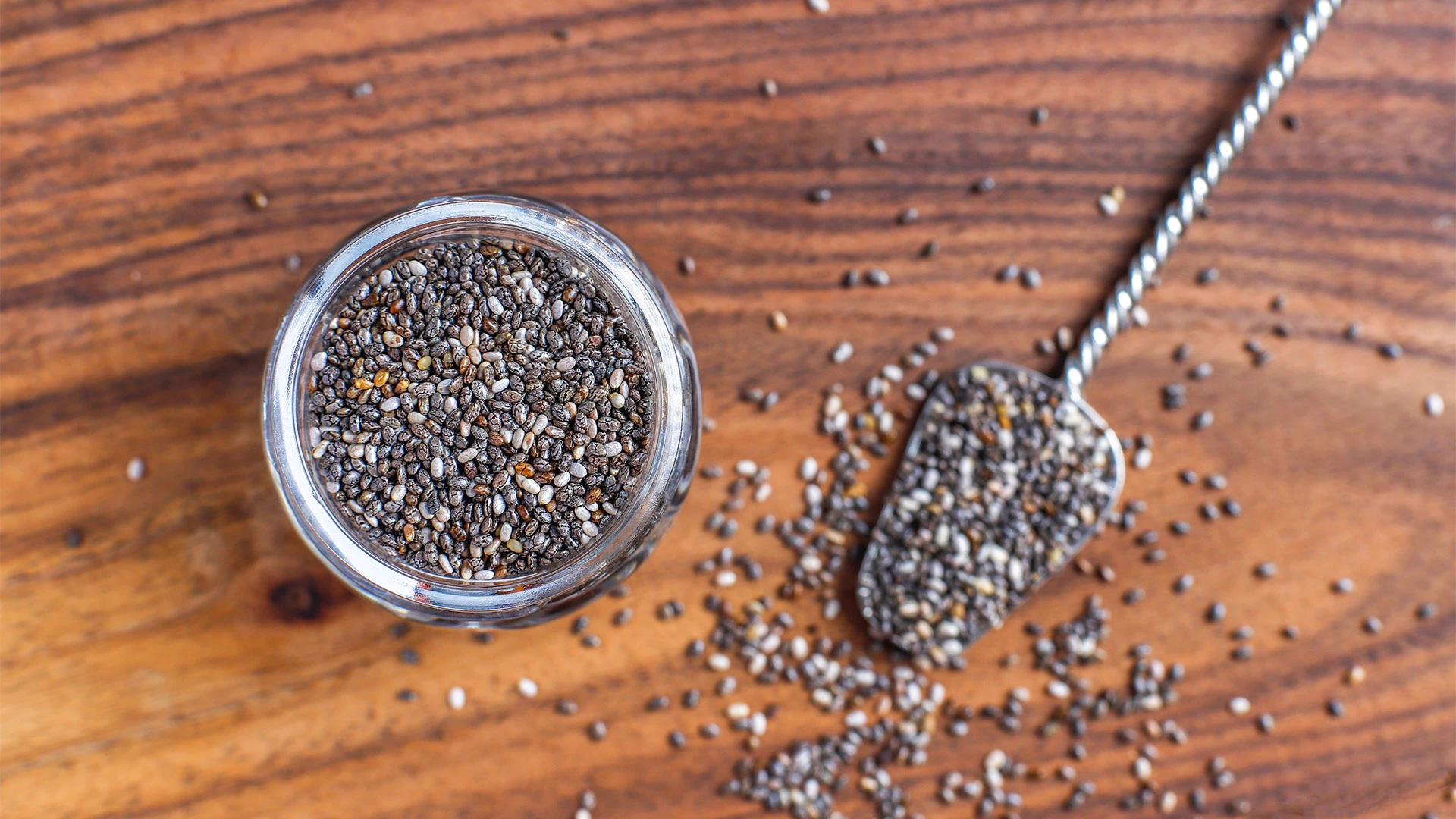
Vitamin B12 requires supplementation or fortified foods, even in clean eating approaches. Iron absorption improves when consumed with citrus fruits, tomatoes, or bell peppers. Omega-3 fatty acids from flax seeds, chia seeds, and walnuts support brain and heart health. Calcium from leafy greens, tahini, and fortified plant milks maintains bone health.
Sustainable change happens gradually through consistent small improvements. Focus on replacing one processed item per week with a whole food alternative rather than overhauling your entire diet overnight.
Bulk buying reduces costs for staples like grains, legumes, and nuts. Seasonal shopping maximizes nutritional value while minimizing expense. Preparing simple ingredient plant foods at home costs significantly less than purchasing pre-made clean label products.
Track energy levels, sleep quality, and digestive health rather than focusing solely on weight. These markers often improve within weeks of adopting clean plant nutrition practices. Consistent energy throughout the day indicates successful nutrient timing and food quality choices.
Start by replacing one processed item per week with a whole food alternative. Swap flavored plant milks for unsweetened versions, replace protein bars with nuts and fruit, and choose whole grains over refined options. This gradual approach prevents overwhelm while building sustainable habits.
Organic certification helps ensure minimal chemical exposure, but it's not mandatory for clean eating. Focus first on choosing whole, minimally processed foods regardless of organic status. When budget allows, prioritize organic versions of the "dirty dozen" produce items with highest pesticide residues.
Ingredient count and recognizability matter most. Products with five or fewer ingredients, all of which you can identify and pronounce, typically meet clean label standards. Avoid items with long lists of chemical-sounding compounds, even if they're technically plant-derived.
Yes, many people experience more stable energy when switching to whole food plant-based options. Free-from artificial additives foods eliminate energy crashes associated with processed sugars and artificial stimulants. The natural fiber in minimally processed plant foods provides sustained energy release throughout the day.
Initial improvements in energy and digestion often appear within 1-2 weeks. More significant changes in overall health markers typically develop over 2-3 months of consistent clean eating. Individual results vary based on starting point and adherence to clean label principles.
Clean label plant-based nutrition simplifies healthy eating by focusing on transparency, minimal processing, and ingredient quality. This approach eliminates guesswork while maximizing nutritional benefits from every meal. Success comes through gradual implementation, smart shopping strategies, and consistent attention to ingredient lists. The investment in clean, whole plant foods pays dividends in sustained energy, improved health markers, and peace of mind about what fuels your body. Remember that perfection isn't the goal—progress toward cleaner, more transparent nutrition choices creates lasting positive change in your daily vitality and long-term wellness.


Someone sent you
Powered by ReferRush