


Roti Nutrition 101: Calories, Protein & Health Facts

Get personalised recommendations with our assessment.
Personalised Health Diagnosis (PHD)
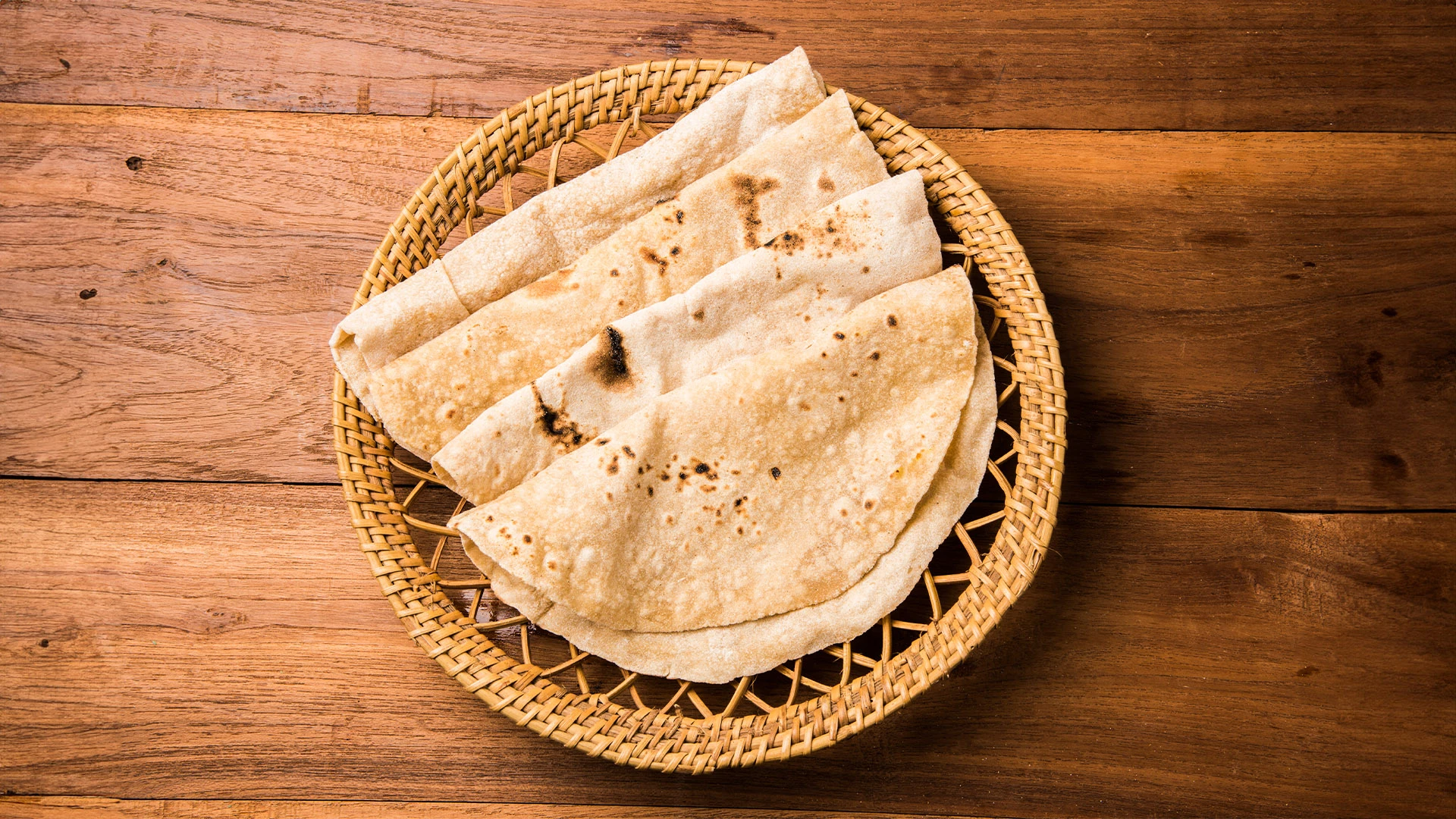
Roti remains the cornerstone of Indian meals, yet most people have no clue about its actual nutritional impact. While we obsess over exotic superfoods, this humble flatbread sits on our plates daily, quietly delivering calories, protein, and essential nutrients. Understanding roti nutrition isn't just about counting calories—it's about making informed choices that align with your health goals. Whether you're tracking macros for weight management or simply curious about what fuels your body, getting the facts straight on roti nutrition can transform how you approach your daily meals.
The nutritional profile of one medium roti tells a compelling story about balanced macronutrients. A standard 40-gram roti delivers approximately 106-120 calories, making it a moderate-calorie carbohydrate source that fits well into most dietary plans.
Here's what you get in one medium-sized roti:
• Calories: 106-120 calories per medium roti (40g)
• Protein: 2.7-3.84g per roti
• Carbohydrates: 18-20g (representing 62% of total calories)
• Fat: 2-3g (contributing 28% of total calories)
• Fibre: 2g supporting digestive health This macronutrient distribution makes roti a balanced energy source rather than just empty carbs. The protein content, while modest, contributes meaningfully to your daily intake when you consider most people eat multiple rotis per meal.
Size matters when calculating roti nutrition facts. The thickness and diameter directly impact your calorie and protein intake:
• Small roti (30g): 80-90 calories with 2-2.5g protein
• Medium roti (40g): 106-120 calories with 2.7-3.84g protein
• Large roti (50g): 130-150 calories with 3.5-4.5g protein
Most homemade rotis fall into the medium category, but restaurant versions often lean larger. This variation explains why calorie counts can differ significantly between sources.
Whole wheat roti calories remain similar to regular roti, but the nutritional density improves dramatically. Whole wheat versions provide more fibre, B-vitamins, and minerals while maintaining the same caloric range. The key difference lies in the glycemic response and satiety factor—whole wheat keeps you fuller longer and causes less dramatic blood sugar spikes.
Beyond the basic calorie count, roti delivers a surprising array of nutrients that support overall health. The complete nutritional picture reveals why this simple bread has sustained populations for centuries.
The carbohydrate content in roti provides sustained energy through complex starches. Unlike refined sugars, these carbs break down gradually, supporting steady energy levels throughout your day. The protein quality, while not complete, offers essential amino acids that complement other protein sources in your meal. Fat content remains minimal but includes small amounts of essential fatty acids. When prepared with minimal oil, roti maintains its status as a low-fat carbohydrate option that won't derail weight management goals.
Roti nutrition facts extend beyond macronutrients to include vital micronutrients:
• B-complex vitamins: Support energy metabolism and nervous system function
• Iron: Contributes to oxygen transport and prevents anemia
• Magnesium: Supports muscle function and bone health
• Phosphorus: Essential for bone formation and energy storage
• Zinc: Supports immune function and wound healing
These micronutrients make roti more than just a vehicle for other foods—it actively contributes to your nutritional needs.
The roti glycemic index typically ranges from 62-72, placing it in the medium to high category. However, this number drops significantly when roti is consumed with protein and fibre-rich foods like dal and vegetables. The combination creates a more balanced glycemic response, making roti suitable even for those managing blood sugar levels.
Chapati nutrition varies significantly based on preparation methods and regional preferences. Understanding these variations helps you make informed choices about your daily bread consumption.
Traditional chapati preparation involves minimal oil, relying on dry heat to cook the bread. This method preserves the natural nutrition profile while keeping calories in check. Modern preparations often include oil or ghee during cooking, which can increase calories by 40-50 per roti. Fermentation, when used in some regional variations, can improve digestibility and nutrient absorption. The process breaks down complex compounds, making minerals more bioavailable and reducing potential digestive discomfort.
Flour choice dramatically impacts chapati nutrition:
• Whole wheat: Highest fibre and nutrient density
• Multi-grain: Enhanced protein and varied nutrient profile
• Refined flour: Lower fibre but easier digestion for some
• Millet-based: Gluten-free option with unique mineral content
Each flour type offers distinct advantages, allowing you to customize your roti nutrition based on specific health goals or dietary restrictions.
Comparing Indian bread calories reveals significant differences that can impact your daily nutrition goals. Roti stands out as one of the more moderate options in the Indian bread spectrum.
The calorie comparison tells an interesting story:
• Roti: 106-120 calories (minimal fat, moderate carbs)
• Naan: 280-320 calories (high fat from yogurt and oil)
• Paratha: 250-400 calories (varies by stuffing and oil content) Roti emerges as the clear winner for calorie-conscious individuals.
The nutritional density per calorie also favors roti, offering more nutrients for fewer calories compared to its richer counterparts.
Regional variations offer unique nutritional profiles:
• Bajra roti: Higher protein and iron content
• Jowar roti: Gluten-free with good fibre content
• Rice-based rotis: Easier digestion but lower protein
These alternatives can diversify your nutrient intake while maintaining the familiar roti format.
The health benefits of roti extend far beyond basic nutrition, making it a valuable component of a balanced diet. Understanding these advantages helps you appreciate why roti has remained a dietary staple across cultures.
Roti's satiety factor makes it excellent for weight management. The combination of fibre and complex carbohydrates helps you feel full longer, reducing the likelihood of overeating. Compared to rice, roti provides better portion control since its size is naturally limited. The calorie density remains reasonable, allowing you to include multiple rotis in your daily meal plan without exceeding caloric goals. This flexibility makes sustainable weight management more achievable.
The fibre content in roti supports healthy digestion by promoting regular bowel movements and feeding beneficial gut bacteria. This prebiotic effect contributes to overall gut health, which impacts everything from immunity to mood regulation. Slow-release energy from roti prevents the energy crashes associated with refined carbohydrates, supporting stable energy levels throughout the day.
Whole grain rotis contribute to cardiovascular health through their fibre content, which helps manage cholesterol levels. The low sodium content makes roti suitable for those managing blood pressure, unlike many processed bread alternatives.
Optimizing your healthy roti recipe can significantly enhance its nutritional value without compromising taste. Simple modifications can transform basic roti into a nutrient-dense powerhouse.
Boosting roti nutrition requires strategic additions:
• Seeds and grains: Add flax seeds, chia seeds, or quinoa flour for omega-3s and protein
• Vegetable incorporation: Blend spinach, beetroot, or carrot puree into the dough
• Protein enrichment: Mix in protein powder or besan (chickpea flour) for higher protein content
These modifications can increase protein content to 5-7 grams per roti while adding valuable micronutrients.
Cooking techniques impact final nutrition:
• Oil-free cooking: Use non-stick pans or cast iron for minimal fat addition
• Optimal thickness: Medium thickness ensures even cooking and better nutrient retention
• Storage methods: Proper storage maintains texture and prevents nutrient loss
These techniques preserve the natural nutrition while enhancing digestibility.
Answer: One medium roti contains 2.7-3.84g of protein, contributing meaningfully to your daily protein needs when consumed as part of balanced meals.
Answer: Yes, eating 5 rotis daily can fit into a healthy diet when balanced with vegetables, proteins, and other nutrients, totaling approximately 530-600 calories from roti alone.
Answer: Roti supports weight loss when consumed in appropriate portions due to its fibre content and moderate calorie density, which promote satiety and portion control.
Answer: This nutritional calculation method shows that protein and carbohydrates contribute 4 calories per gram, while fat contributes 9 calories per gram, helping you understand roti's caloric breakdown.
Answer: Adding 1 teaspoon of ghee increases calories by 40-45, making the total calories 146-165 per roti, depending on the base roti size.
Answer: A typical roti and vegetable curry combination contains 200-300 calories total, depending on the vegetable preparation method and oil usage.
Roti nutrition offers a balanced approach to carbohydrate consumption that aligns with modern health goals. With 106-120 calories and 2.7-3.84g protein per medium roti, it provides sustainable energy without excessive caloric load. The key lies in understanding portion sizes, preparation methods, and how roti fits into your overall nutritional strategy. Whether you're managing weight, building muscle, or simply maintaining health, roti can play a valuable role when consumed mindfully. The versatility in preparation and modification options means you can optimize roti nutrition to match your specific health objectives while enjoying this traditional staple.


Someone sent you
Powered by ReferRush