


Rice Protein Content: Your Complete Nutrition Guide

Get personalised recommendations with our assessment.
Personalised Health Diagnosis (PHD)
Rice gets a bad rap in nutrition circles. People think it's just empty carbs with zero protein value. But here's the thing—rice actually packs more protein than most people realize. Whether you're counting macros, following a plant-based diet, or just trying to understand what's really on your plate, knowing the protein content in rice can change how you view this global staple. Let's break down the real numbers and separate fact from fiction when it comes to rice protein content.
Rice protein content varies significantly based on the type and preparation method. The numbers might surprise you—especially when you see how processing and cooking affect the final protein concentration.
Cooked white rice contains approximately 2.5-3g of protein per 100g. That might seem low, but remember—cooking dramatically changes the protein concentration due to water absorption. Uncooked white rice actually contains 6.5-7g of protein per 100g. When rice absorbs water during cooking, it roughly doubles or triples in weight. This dilutes the protein concentration, making cooked rice appear less protein-dense than it actually is. Think of it like adding water to orange juice—the vitamin C is still there, just spread out.
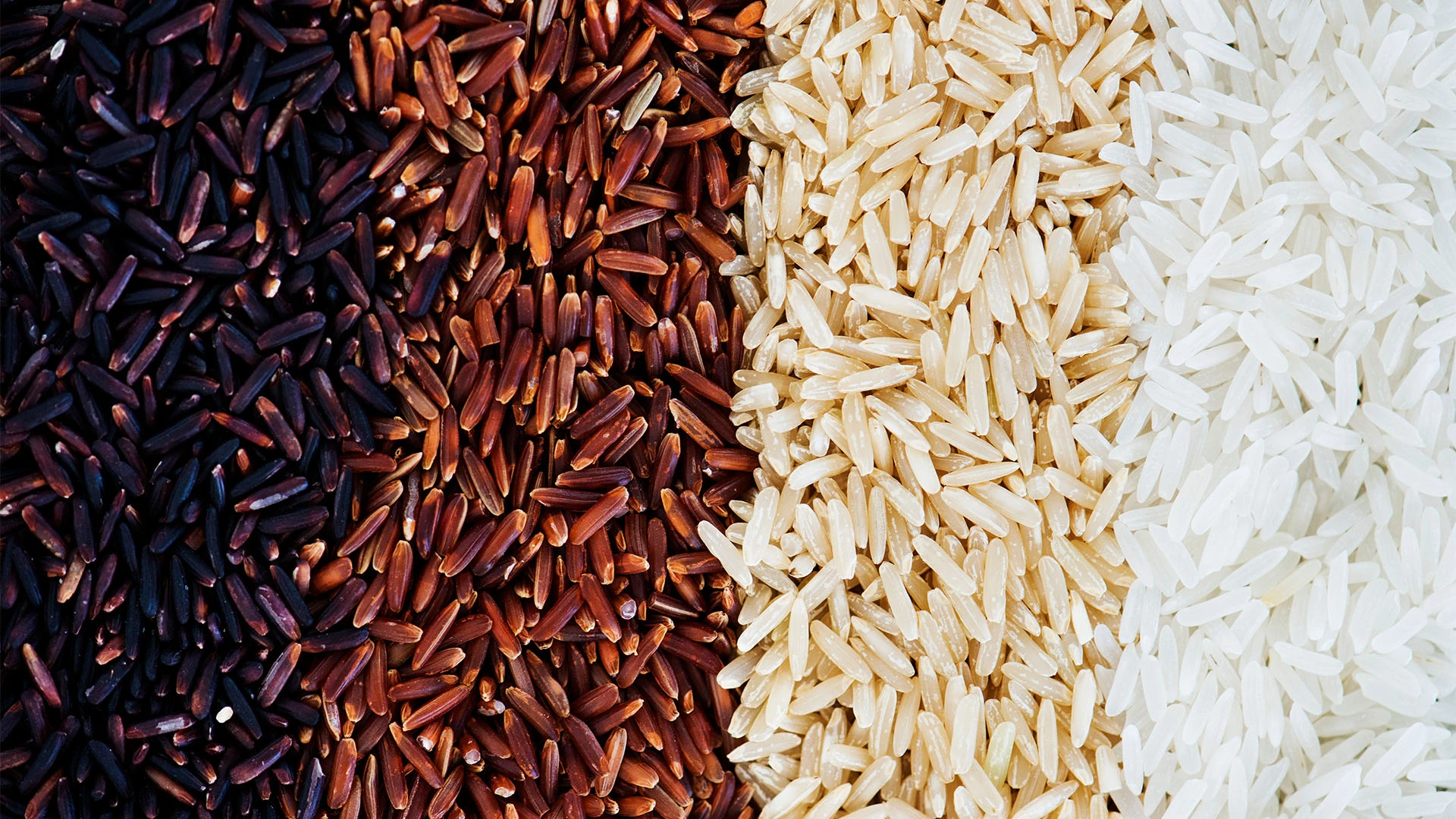
Brown rice edges out white rice slightly with 2.6g of protein per 100g when cooked. The difference isn't huge, but brown rice keeps its bran and germ layers intact. These outer layers contain additional amino acids and nutrients that get stripped away during white rice processing. The milling process that creates white rice removes about 67% of vitamin B3, 80% of vitamin B1, and significant amounts of protein-supporting nutrients. Brown rice retains these, making it a more complete protein source overall.
Let's get practical with serving sizes you actually eat:
• 1 cup cooked rice: 4-5g protein (about 150-200g)
• 2 bowls of rice: 8-12g protein (depending on bowl size)
• 1 kg boiled rice: 25-30g protein
These numbers add up faster than you'd think. Two generous bowls of rice can contribute nearly 15% of your daily protein needs.
Rice protein isn't just about quantity—the quality matters too. Understanding the amino acid profile helps you make smarter nutrition choices.
Rice protein is considered incomplete because it's low in lysine, an essential amino acid. However, it's rich in methionine and cysteine—amino acids that many other plant proteins lack. This is why rice pairs so well with beans and legumes nutritionally. The amino acid profile of rice protein includes:
• High methionine content
• Adequate levels of most essential amino acids
• Low lysine (the limiting factor)
• Good cysteine levels
This profile makes rice an excellent complement to lysine-rich foods like lentils, chickpeas, and quinoa.
Rice protein scores well on digestibility with a PDCAAS (Protein Digestibility-Corrected Amino Acid Score) of about 0.5-0.7. While not as high as whey protein (0.9+), it's easily digestible and gentle on the stomach. Rice protein absorption happens relatively quickly—within 2-3 hours of consumption. The bioavailability improves when combined with complementary proteins, creating a more complete amino acid profile your body can use efficiently.
How does rice stack up against other protein sources? The comparison reveals some interesting insights about plant-based nutrition.
Whey protein dominates in terms of protein quality and completeness, but rice protein has its own advantages:
• Allergen profile: Rice protein is hypoallergenic, while whey contains dairy
• Digestibility: Both digest well, but rice is gentler for sensitive stomachs
• Amino acid completeness: Whey wins, but rice can be completed with other foods
• Processing: Rice protein requires less industrial processing
For people with dairy sensitivities or following plant-based diets, rice protein offers a clean alternative without the digestive issues.
Comparing rice to other plant proteins per 100g cooked:
• Quinoa: 4.4g protein (complete amino acid profile)
• Lentils: 9g protein (high lysine, low methionine)
• Black beans: 8.9g protein (high lysine)
• Brown rice: 2.6g protein (high methionine, low lysine)
Rice might seem like the underdog, but it's the perfect partner for lysine-rich foods. Traditional combinations like rice and beans exist for good reason—they create nutritionally complete meals.
Rice protein powder takes the nutrition game to another level. It's not just concentrated rice—it's optimized plant-based nutrition.
Rice protein powder typically contains 80-90% protein by weight—a massive jump from whole rice. A 30g serving provides about 24-27g of protein, making it competitive with other protein powders. The concentration process removes most carbohydrates and fats, leaving behind pure protein. Some manufacturers fortify rice protein powder with additional amino acids to improve the overall profile, particularly lysine.
Rice protein offers several unique advantages:
• Hypoallergenic properties: Safe for people with dairy, soy, or gluten sensitivities
• Easy digestion: Gentle on the stomach, minimal bloating
• Muscle building support: Contains branched-chain amino acids for recovery
• Weight management: High protein content supports satiety
The clean profile makes rice protein powder an excellent choice for people with multiple food sensitivities who still want high-quality protein supplementation.
Smart food combining can turn rice from an incomplete protein into a nutritional powerhouse. Here's how to optimize your rice consumption.
The magic happens when you combine rice with complementary proteins. The classic rice and beans combination provides all essential amino acids in proper ratios. A 3:1 ratio of rice to beans creates an optimal amino acid profile. Traditional food pairings from around the world prove this concept:
• Indian dal and rice: Lentils provide lysine, rice provides methionine
• Latin American rice and beans: Black beans complement rice perfectly
• Middle Eastern rice and chickpeas: Hummus and rice create complete proteins
You don't need to eat these combinations in the same meal—consuming them within 24 hours allows your body to utilize the complementary amino acids effectively.
Cooking method affects protein retention. Steaming and absorption cooking preserve the most protein, while boiling and draining can wash away water-soluble amino acids. Best practices for protein preservation:
• Use minimal water when cooking
• Avoid overcooking, which can denature proteins
• Store cooked rice properly to maintain nutritional value
• Consider parboiled rice, which retains more nutrients
Let's bust some common misconceptions about rice protein that keep people from appreciating its nutritional value.
This myth probably stems from rice being labeled as a "carbohydrate." While rice is primarily carbs, it contributes meaningful protein to global diets. In countries where rice is a staple, it can provide 20-30% of daily protein intake. For perspective, if you eat 300g of cooked rice daily (a typical amount in rice-consuming cultures), you're getting about 8-9g of protein—roughly equivalent to a large egg. That's not insignificant.
Rice protein works differently for various dietary approaches:
• Vegetarian diets: Essential when combined with legumes
• Athletic nutrition: Provides easily digestible protein for recovery
• Weight management: Contributes to daily protein goals without excess calories
• Cultural diets: Forms the protein foundation in many traditional cuisines
The key is understanding rice's role as part of a complete nutritional strategy, not as a standalone protein source.
Answer: Rice provides moderate protein content and serves as an excellent complement to other plant proteins. While not a complete protein on its own, rice contributes meaningful protein to your diet, especially when combined with legumes or other amino acid sources.
Answer: Cooked rice contains 2.5-3g of protein per 100g, while uncooked rice has 6.5-7g per 100g. The difference comes from water absorption during cooking, which dilutes the protein concentration.
Answer: Two bowls of rice (approximately 300-400g total) provide 8-12g of protein, depending on the bowl size and rice type. This represents about 15-20% of daily protein needs for most adults.
Answer: One kilogram of boiled rice contains approximately 25-30g of protein. This amount would typically serve 5-6 people as a side dish or 3-4 people as a main component.
Answer: Rice protein alone cannot replace meat protein due to its incomplete amino acid profile. However, when combined with complementary plant proteins like beans or lentils, it can provide complete nutrition comparable to animal proteins.
Answer: Rice protein powder is a concentrated form containing 80-90% protein, while whole rice contains only 2-3% protein when cooked. The powder undergoes processing to remove carbohydrates and concentrate the protein content.
Answer: Quinoa contains more protein (4.4g per 100g cooked) and provides a complete amino acid profile, while rice has less protein but excels in methionine content. Both serve different nutritional purposes in a balanced diet.
Answer: Rice protein is incomplete because it's low in lysine, an essential amino acid. However, it's rich in methionine and cysteine, making it an excellent complement to lysine-rich foods like beans and lentils.
Rice deserves more credit in the protein conversation. While it's not a protein powerhouse on its own, rice contributes meaningful nutrition when you understand how to use it effectively. The key lies in smart food combining and realistic expectations. Remember that rice protein content varies by type and preparation method. Brown rice edges out white rice nutritionally, but both can contribute to your daily protein goals. When combined with complementary proteins, rice transforms from an incomplete protein into part of a complete nutritional strategy. For those following plant-based diets or dealing with food sensitivities, rice protein offers a clean, digestible option. Whether you choose whole rice or concentrated rice protein powder depends on your specific nutritional needs and lifestyle preferences.


Someone sent you
Powered by ReferRush