


Rice Nutrition Facts: Your Complete Health Guide

Get personalised recommendations with our assessment.
Personalised Health Diagnosis (PHD)
Rice feeds over half the world's population daily, yet confusion swirls around its nutritional value. Is rice a superfood or empty calories? The truth lies somewhere in between, and understanding rice nutrition facts can transform how you fuel your body for daily vitality. From white rice calories to brown rice benefits, each variety offers unique advantages. This comprehensive guide cuts through the noise to deliver science-backed insights on rice nutrition, helping you make informed choices that align with your health goals. Whether you're managing blood sugar, building muscle, or simply seeking sustained energy, the right rice knowledge empowers better decisions.
Rice nutrition facts vary dramatically between varieties, making it crucial to understand what you're actually consuming. The processing level, grain type, and cooking method all influence the final nutritional profile. Raw rice transforms significantly when cooked, with water absorption changing calorie density and nutrient concentration.
White Rice Nutrition: 130 calories, 2.7g protein, 28g carbohydrates, 0.3g fat, 0.4g fibre. White rice provides quick energy but minimal micronutrients due to processing that removes the bran and germ layers.
Brown Rice Nutrition: 112 calories, 2.6g protein, 22g carbohydrates, 0.9g fat, 1.8g fibre. Brown rice retains its nutrient-dense outer layers, delivering more vitamins, minerals, and antioxidants.
Basmati Rice: 121 calories, 2.5g protein, 25g carbohydrates, 0.4g fat, 0.6g fibre. This aromatic variety offers a lower glycemic response than regular white rice.
Wild Rice: 101 calories, 4.0g protein, 21g carbohydrates, 0.3g fat, 1.8g fibre. Technically a grass seed, wild rice provides superior protein content and unique antioxidants.
Rice serves as a significant source of B vitamins, particularly thiamine, niacin, and vitamin B6. These nutrients support energy metabolism and nervous system function. Brown rice contains higher levels of magnesium, phosphorus, and selenium compared to white varieties. Iron content varies, with enriched white rice often containing more iron than brown rice due to fortification processes.
Understanding rice calories helps with portion control and meal planning. The calorie content depends heavily on the variety chosen and cooking method employed. Rice calories per serving can range from 100 to 250 calories per cup, making portion awareness essential for weight management.
White rice contains the highest calorie density at approximately 205 calories per cooked cup. Brown rice provides about 216 calories per cup but with significantly more fibre and nutrients. Wild rice offers the lowest calorie option at 166 calories per cup while delivering superior protein content. Cooking methods dramatically affect final calorie content. Absorption cooking methods result in lower calorie density compared to pilaf-style preparation with added fats. Cooling cooked rice creates resistant starch, which reduces available calories and provides prebiotic benefits.
Rice carbs consist primarily of starch, with varying amounts of fiber depending on processing level. White rice contains mostly simple starches that digest quickly, while brown rice provides complex carbohydrates that release energy more slowly. The rice glycemic index varies significantly by variety. White rice typically scores 73 on the glycemic index, causing rapid blood sugar spikes. Brown rice scores 68, providing more stable energy release. Basmati rice offers the best glycemic response at 58, making it suitable for blood sugar management.
Rice protein provides all essential amino acids but remains low in lysine, making it an incomplete protein source. However, combining rice with legumes creates a complete amino acid profile. Rice protein digestibility scores high, making it gentle on the digestive system. Wild rice contains nearly double the protein of other varieties, making it valuable for plant-based diets. The protein quality in rice supports muscle maintenance when consumed as part of a varied diet.
Different types of rice offer distinct nutritional advantages, making variety selection crucial for optimizing health benefits. Processing levels, grain length, and growing conditions all influence the final nutritional profile. Understanding these differences empowers better food choices.
White rice nutrition centers around easily digestible carbohydrates and quick energy provision. The milling process removes the bran and germ, eliminating fiber and many nutrients but creating a product that's easier to digest for sensitive stomachs. Enriched white rice contains added B vitamins and iron, partially compensating for processing losses. This fortification makes white rice a significant nutrient source in many developing countries. White rice also provides selenium, an important antioxidant mineral often lacking in plant-based diets.
Brown rice nutrition excels in fibre content, providing 3.5 grams per cooked cup compared to white rice's 0.6 grams. This fibre supports digestive health, blood sugar control, and cholesterol management. The bran layer contains powerful antioxidants including phenolic compounds and vitamin E. Brown rice provides significantly more magnesium, phosphorus, and manganese than white rice. These minerals support bone health, energy production, and antioxidant enzyme function. The higher nutrient density makes brown rice a superior choice for long-term health.
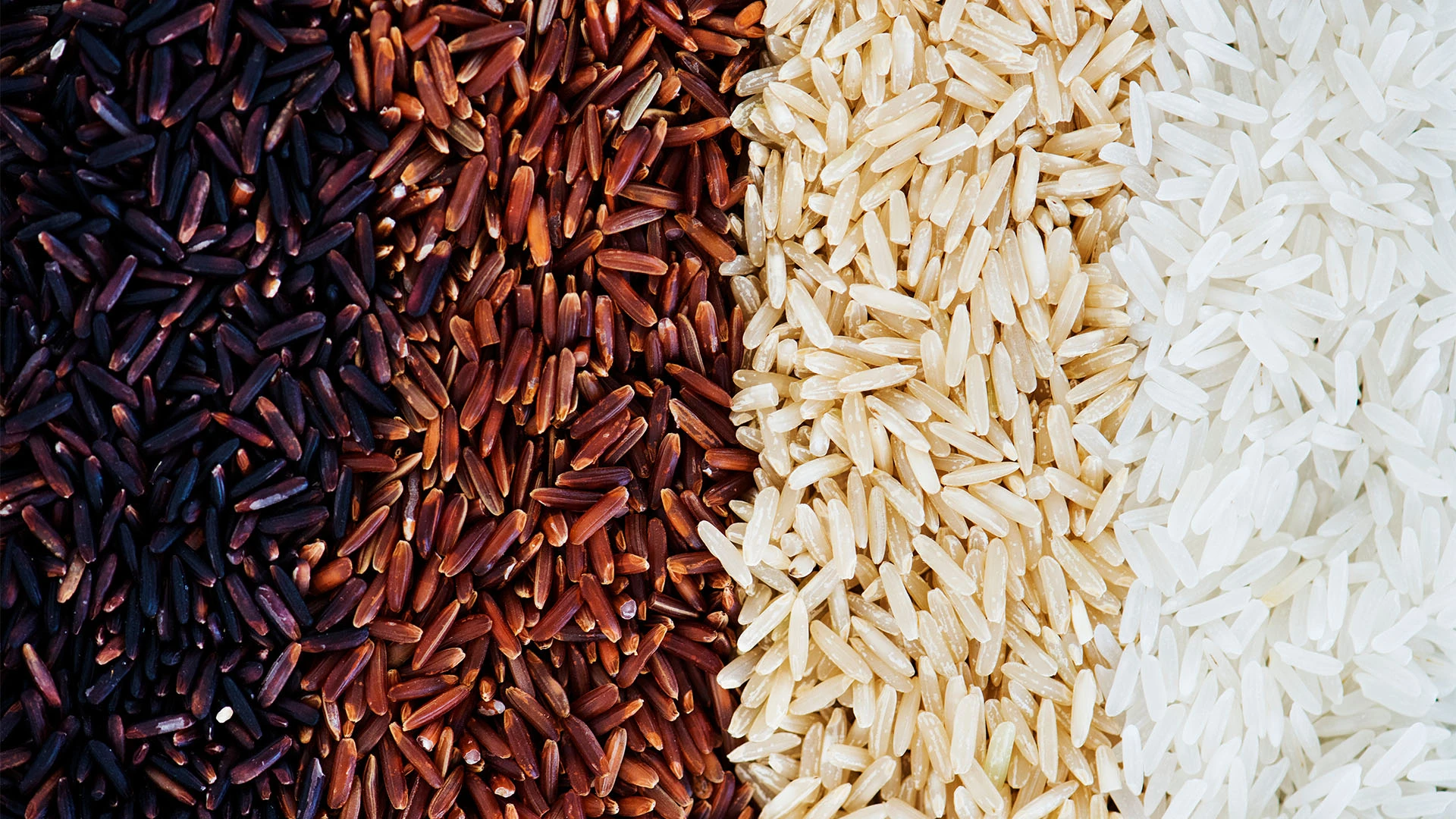
Black rice contains anthocyanins, the same antioxidants found in blueberries, providing anti-inflammatory benefits. Red rice offers unique compounds that may support heart health and blood sugar control. Jasmine and basmati rice provide aromatic compounds and slightly different glycemic responses. These varieties often score lower on the glycemic index while maintaining the familiar taste and texture of white rice.
Rice benefits extend beyond basic nutrition, supporting various aspects of health and wellness. The gluten-free nature makes rice accessible to those with celiac disease or gluten sensitivity. Rice's easy digestibility supports recovery nutrition and sensitive digestive systems.
Rice provides sustained energy for physical activity through its carbohydrate content. The quick digestion of white rice makes it ideal for pre-workout fuel, while brown rice supports longer endurance activities. Many athletes rely on rice as a primary carbohydrate source due to its reliability and digestibility. The B vitamin content in rice supports energy metabolism at the cellular level. These vitamins help convert carbohydrates into usable energy, making rice an efficient fuel source for both brain and muscle function.
Rice supports digestive health through its gentle nature and prebiotic potential. Cooled rice forms resistant starch, which feeds beneficial gut bacteria and supports microbiome diversity. This process also reduces the glycemic impact and provides additional health benefits. The low fibre content in white rice makes it suitable during digestive distress, while brown rice's fibre supports regular bowel movements and gut health maintenance.
Is rice healthy depends largely on the variety chosen, portion size, and overall dietary context. Rice can absolutely support a healthy diet when consumed mindfully as part of a balanced eating pattern. The key lies in choosing nutrient-dense varieties and appropriate portions.
Healthy adults can safely consume rice daily when choosing whole grain varieties and maintaining portion control. One to two servings per day fits well within healthy dietary patterns. The serving size should be approximately one-half to one cup of cooked rice, depending on individual calorie needs and activity levels. Balancing rice with vegetables, lean proteins, and healthy fats creates nutritionally complete meals. This combination provides sustained energy while ensuring adequate micronutrient intake.
Populations consuming rice as a dietary staple often demonstrate excellent health outcomes when following traditional eating patterns. The Mediterranean and Asian dietary patterns both incorporate rice successfully while supporting longevity and disease prevention. The key lies in consuming rice as part of a varied diet rich in vegetables, legumes, and other whole foods rather than as an isolated food source.
Optimizing rice nutrition involves strategic preparation methods and thoughtful food combinations. Simple techniques can enhance nutrient absorption and create more balanced meals.
Steaming rice preserves more nutrients than boiling and draining methods. Using the absorption method with precise water ratios maintains water-soluble vitamins. Adding a small amount of healthy fat during cooking enhances the absorption of fat-soluble vitamins. Cooling cooked rice and reheating creates resistant starch, which provides prebiotic benefits and reduces glycemic impact. This simple technique transforms rice into a more functional food.
Pairing rice with legumes creates complete protein profiles essential for muscle maintenance and growth. Adding vegetables increases micronutrient density and fibre content. Including healthy fats like avocado or nuts enhances nutrient absorption and satiety. Spices and herbs not only enhance flavor but also provide antioxidants and anti-inflammatory compounds that complement rice's nutritional profile.
One cup of cooked white rice contains approximately 205 calories, 4.3g protein, 44g carbohydrates, 0.4g fat, and 0.6g fibre. Brown rice provides 216 calories, 5g protein, 44g carbohydrates, 1.8g fat, and 3.5g fibre per cup. Both varieties supply essential B vitamins, iron, and magnesium.
Rice calories should comprise 20-30% of total daily calories for active individuals. This translates to 1-2 cups of cooked rice daily for most adults. Adjust portions based on activity level, weight goals, and overall dietary pattern.
Rice benefits include sustained energy from complex carbohydrates, gluten-free nutrition, easy digestibility, essential B vitamins for brain function, and when choosing brown rice, fibre for digestive health. Rice also provides selenium and magnesium for antioxidant support.
Brown rice and wild rice offer superior nutrition due to their whole grain status. These types of rice provide more fibre, protein, vitamins, and minerals compared to white rice. Black and red rice varieties offer additional antioxidants for enhanced health benefits.
The rice glycemic index varies by type: white rice scores 73 (high), brown rice 68 (medium), and basmati rice 58 (medium). Lower glycemic index varieties provide more stable blood sugar responses and sustained energy release.
Brown rice nutrition surpasses white rice in fibre content (3.5g vs 0.6g per cup), magnesium, phosphorus, and antioxidants. However, white rice offers easier digestibility and is often enriched with B vitamins and iron, making both varieties valuable in different contexts.
Rice protein provides 4-5g per cup of cooked rice. While incomplete alone, combining rice with legumes creates complete protein profiles. Rice protein supports muscle maintenance when consumed as part of a varied diet with adequate total protein intake.
Rice carbs can support weight management when consumed in appropriate portions. Brown rice's fibre content enhances satiety, while the complex carbohydrates provide sustained energy. Portion control and food combinations determine rice's role in weight management success.
Rice nutrition facts reveal a versatile grain that can support various health goals when chosen and prepared thoughtfully. Brown rice and wild rice offer superior nutritional profiles, while white rice provides easily digestible energy for specific needs. Understanding rice calories, glycemic impact, and nutrient content empowers informed decisions that align with your wellness objectives. The key lies in choosing appropriate varieties, controlling portions, and combining rice with complementary foods for optimal nutrition. Rice remains a valuable component of healthy dietary patterns worldwide, supporting daily vitality through sustained energy and essential nutrients.


Someone sent you
Error
Powered by ReferRush