


Protein in 1 Idli: Nutrition Facts Revealed

Get personalised recommendations with our assessment.
Personalised Health Diagnosis (PHD)
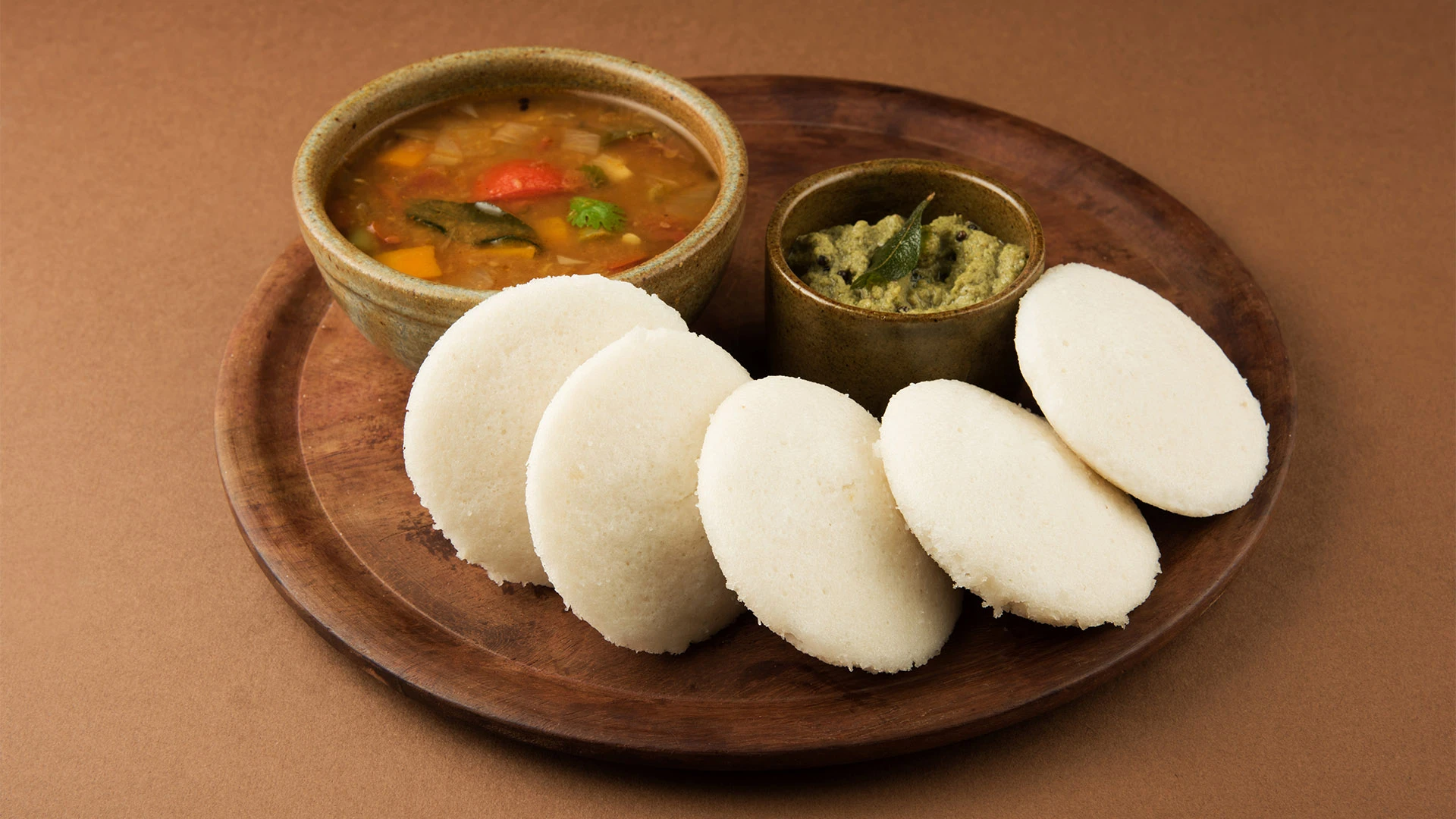
The humble idli has been a cornerstone of South Indian breakfast culture for centuries, but its nutritional profile often gets overlooked in our modern quest for protein-rich foods. This steamed, fermented delicacy isn't just comfort food—it's a surprisingly effective protein source that deserves serious consideration in your daily nutrition plan. While fitness enthusiasts chase exotic superfoods and expensive protein powders, they're missing out on this accessible, affordable option sitting right in their neighborhood South Indian restaurant. Let's dive deep into the protein content of idli and uncover why this traditional breakfast might be the missing piece in your nutrition puzzle.
The protein in 1 idli varies significantly based on size, but the numbers might surprise you. A standard medium idli weighing approximately 40 grams contains about 3.1 grams of protein. This might seem modest at first glance, but when you consider the complete amino acid profile and high bioavailability, idli punches above its weight class. Here's the size-based breakdown that most people don't know about:
A small idli (30 grams) delivers approximately 2.3 grams of protein. These bite-sized versions are perfect for portion control while still contributing meaningfully to your daily protein intake.
The standard restaurant serving—a medium idli at 40 grams—provides 3.1 grams of protein. This is the most common size you'll encounter and forms the basis for most nutritional calculations.
Large idlis, weighing around 50 grams, contain approximately 3.9 grams of protein. Some home-made versions can be even larger, pushing the protein content closer to 4.5 grams per piece.
Understanding idli nutrition facts goes beyond just protein content. This fermented breakfast option offers a well-balanced macronutrient profile that makes it an excellent choice for sustained energy and satiety. A medium idli (40g) contains:
• Calories: 58-61 kcal
• Protein: 3.1g (15% of total calories)
• Carbohydrates: 12g (complex carbs from rice and urad dal)
• Fat: 0.4g (naturally low-fat)
• Fibre: 0.5g
• Sodium: 2-5mg (naturally low-sodium)
The mineral profile is equally impressive. Idlis provide meaningful amounts of magnesium, selenium, and B-vitamins, particularly folate and niacin. The fermentation process actually enhances the bioavailability of these nutrients, making them easier for your body to absorb and utilize.
The protein rich idli profile becomes more impressive when you consider that protein makes up about 15% of the total calories. This ratio is comparable to many foods specifically marketed as protein sources, yet idli achieves this naturally through traditional preparation methods.
When examining South Indian protein sources, idli stands out for its unique preparation method and nutritional completeness. Unlike many plant-based proteins that lack certain essential amino acids, the rice-lentil combination in idli provides a complete amino acid profile. The magic happens during fermentation. Urad dal (black gram) is naturally rich in lysine but low in methionine, while rice provides methionine but lacks lysine. When combined and fermented, they create a protein that rivals animal sources in terms of amino acid completeness. This traditional food science predates modern nutrition understanding by centuries.
The fermentation process doesn't just improve digestibility—it actually increases protein bioavailability. Beneficial bacteria break down complex proteins into more easily absorbed forms, while also producing additional B-vitamins and improving mineral absorption.
The steamed idli benefits extend far beyond its protein content, making it a superior breakfast choice for those seeking optimal nutrition without excess calories. The steaming process preserves nutrients that might be lost through other cooking methods while maintaining the food's natural moisture and texture. Steaming eliminates the need for added fats, keeping the calorie count low while preserving the integrity of heat-sensitive vitamins. This cooking method also ensures that the protein remains in its most digestible form, maximizing absorption and utilization by your body.
As a fermented food protein source, idli offers unique gut health benefits that most breakfast options can't match. The natural fermentation process introduces beneficial bacteria that support digestive health and may enhance overall protein metabolism. The probiotics in fermented idli batter can help maintain a healthy gut microbiome, which plays a crucial role in protein synthesis and absorption. This makes the protein in idli not just more digestible, but potentially more effective at supporting muscle maintenance and growth.
For those seeking a low calorie protein breakfast, idli presents an almost perfect solution. At just 58-61 calories per medium piece with over 3 grams of protein, it offers one of the best protein-to-calorie ratios available in traditional breakfast foods. Two medium idlis provide approximately 6.2 grams of protein for just 120 calories—that's more protein per calorie than many expensive protein bars. When paired with sambar (lentil soup), the protein content increases significantly while adding minimal calories and providing additional nutrients like iron, folate, and vitamin C.
Creating a daily vitality breakfast with idli involves strategic pairing and portion planning. Consider these protein-boosting combinations:
• 2 idlis + 1 cup sambar: Total protein ~8-10g
• 3 idlis + coconut chutney: Total protein ~9-12g
• 2 idlis + 1 boiled egg: Total protein ~12-14g
These combinations provide substantial protein while maintaining the low-calorie, high-satiety benefits that make idli such an effective breakfast choice.
Answer: Two medium idlis contain approximately 6.2 grams of protein. If you're eating large idlis, you'll get closer to 7.8 grams of protein from two pieces.
Answer: Yes, idlis provide complete protein with all essential amino acids due to the rice-lentil combination. The fermentation process enhances protein bioavailability, making it comparable to animal protein sources in terms of amino acid completeness.
Answer: Absolutely. Six medium idlis provide approximately 18.6 grams of protein along with complex carbohydrates and essential nutrients. This can contribute significantly to your daily protein requirements while keeping calories relatively low.
Answer: Two medium chapatis contain about 6 grams of protein, while two medium idlis provide approximately 6.2 grams. However, idli protein is more complete due to the rice-lentil combination and enhanced bioavailability from fermentation.
Answer: Per 100 grams, idli contains approximately 7.8 grams of protein. This makes it a moderate protein source that's particularly valuable when combined with other protein-rich foods like sambar or dal.
Answer: While idli alone won't meet high protein requirements for serious muscle building, it's an excellent addition to a balanced diet. The complete amino acid profile and easy digestibility make it valuable for muscle maintenance and recovery.
The protein in 1 idli might seem modest at 2.3-3.9 grams depending on size, but this traditional South Indian breakfast offers remarkable nutritional value that extends far beyond simple protein content. The complete amino acid profile, enhanced bioavailability from fermentation, and excellent protein-to-calorie ratio make idli a smart choice for anyone seeking sustainable, healthy nutrition.
What sets idli apart isn't just its protein content—it's the synergy of nutrients, the gut-friendly fermentation, and the sustained energy it provides without the crash associated with many modern breakfast options. Whether you're looking to increase your daily protein intake, support digestive health, or simply enjoy a satisfying low-calorie breakfast, idli deserves a place in your nutrition strategy. The next time you're planning your morning meal, remember that sometimes the most effective solutions are hiding in plain sight, steamed to perfection and ready to fuel your day.


Someone sent you
Powered by ReferRush