


Plant Protein for Athletes FAQ: Your Questions Answered

Get personalised recommendations with our assessment.
Personalised Health Diagnosis (PHD)
Whether you're logging miles on the track or grinding through strength sessions, your protein intake matters more than most people realize. The conversation around plant protein for athletes has shifted dramatically — it's no longer a fringe choice but a performance-backed strategy embraced by elite competitors worldwide. Still, questions pile up fast: Is plant protein complete? Can it actually build muscle? How much do you need? This FAQ-style guide cuts through the noise and answers the most common questions athletes ask about going plant-based with their protein. From sources and supplements to timing and recovery, everything you need is right here.
Plant protein refers to protein derived from non-animal sources — think legumes, grains, seeds, and vegetables. For athletes, the interest in plant-based protein sources for sports has grown alongside mounting evidence that these proteins can support performance, recovery, and long-term health without the downsides sometimes linked to heavy animal protein consumption.
The shift isn't just ethical or environmental — it's physiological. Many athletes report improved digestion, reduced inflammation, and better energy levels after transitioning to a plant-forward diet. Understanding what plant protein actually is sets the foundation for every other question in this guide.
The primary distinction lies in amino acid profiles. Most animal proteins are "complete," meaning they contain all nine essential amino acids. Many plant proteins are not — but strategic food combining or using blended plant protein supplements bridges that gap effectively for active individuals.
High protein plant foods for athletes include lentils, chickpeas, edamame, quinoa, hemp seeds, tempeh, and tofu. Each brings a unique amino acid contribution, making dietary variety a key principle for anyone relying on plants to fuel their training.
This is the question most athletes ask first — and the answer is a confident yes, with some nuance. The best plant protein for muscle gain works when total protein intake is sufficient, amino acid profiles are complete, and training stimulus is consistent. Research increasingly shows that plant-based athletes can achieve comparable hypertrophy to their omnivore counterparts.
The key variable is leucine — the amino acid most responsible for triggering muscle protein synthesis. Some plant proteins are lower in leucine, which means athletes may need to consume slightly higher quantities or choose leucine-rich plant sources like soy and lentils to hit the same anabolic threshold.
Lean muscle plant protein options that perform well include soy protein isolate, pea protein, and hemp protein. Soy is the most complete plant protein available, while pea protein has become a favorite for its digestibility and strong leucine content relative to other legume-based options.
Pairing complementary proteins — like rice and pea — creates a complete amino acid profile that rivals whey. Many vegan protein powder for athletes formulations already use this blending strategy, making supplementation a convenient solution for those who want to simplify their nutrition without sacrificing results.
Optimal plant protein intake for athletes generally falls between 1.6 to 2.2 grams of protein per kilogram of body weight per day — consistent with recommendations for omnivore athletes. However, because plant proteins have slightly lower digestibility scores compared to animal proteins, some sports dietitians suggest erring toward the higher end of that range.
Digestibility is measured using the Digestible Indispensable Amino Acid Score (DIAAS). Plant proteins typically score lower than animal proteins on this scale, which is why quantity and food variety both matter when building an athlete nutrition plant protein plan.
Spreading protein intake across three to five meals — rather than front- or back-loading — optimizes muscle protein synthesis. Aim for 25–40 grams of plant protein per meal, with a particular focus on post-workout consumption within a 30–60 minute window to support recovery.
When it comes to plant-based protein sources for sports, not all options are created equal. Performance athletes need proteins that are not only high in total protein content but also rich in branched-chain amino acids (BCAAs), easy to digest, and practical to incorporate into a busy training schedule.
Whole food sources and supplements each play a role. Whole foods bring fiber, micronutrients, and phytonutrients alongside protein, while supplements offer convenience and precision — especially useful around training windows when whole meals aren't practical.
Tempeh leads the pack with roughly 31 grams of protein per cup, followed by edamame, lentils, black beans, and quinoa. These high protein plant foods for athletes also deliver iron, zinc, and magnesium — minerals critical for energy production and muscle function.
Plant protein supplements for endurance and strength athletes are most useful post-workout, during travel, or when whole food intake falls short. Powders made from pea, rice, hemp, or soy blends are the most popular and widely researched options available today.
Plant protein benefits for recovery extend beyond simple muscle repair. Many plant-based proteins come packaged with anti-inflammatory compounds — polyphenols, antioxidants, and phytonutrients — that help reduce exercise-induced oxidative stress and accelerate the body's return to baseline.
Athletes consuming plant-rich diets often experience reduced markers of inflammation after intense training. This means faster recovery windows, less soreness, and more consistent training output over time — a compounding advantage for serious competitors.
Foods like tart cherries, turmeric, and leafy greens work synergistically with plant proteins to dampen inflammation. When these are part of a broader plant-forward diet, the recovery benefits go well beyond what protein alone can deliver.
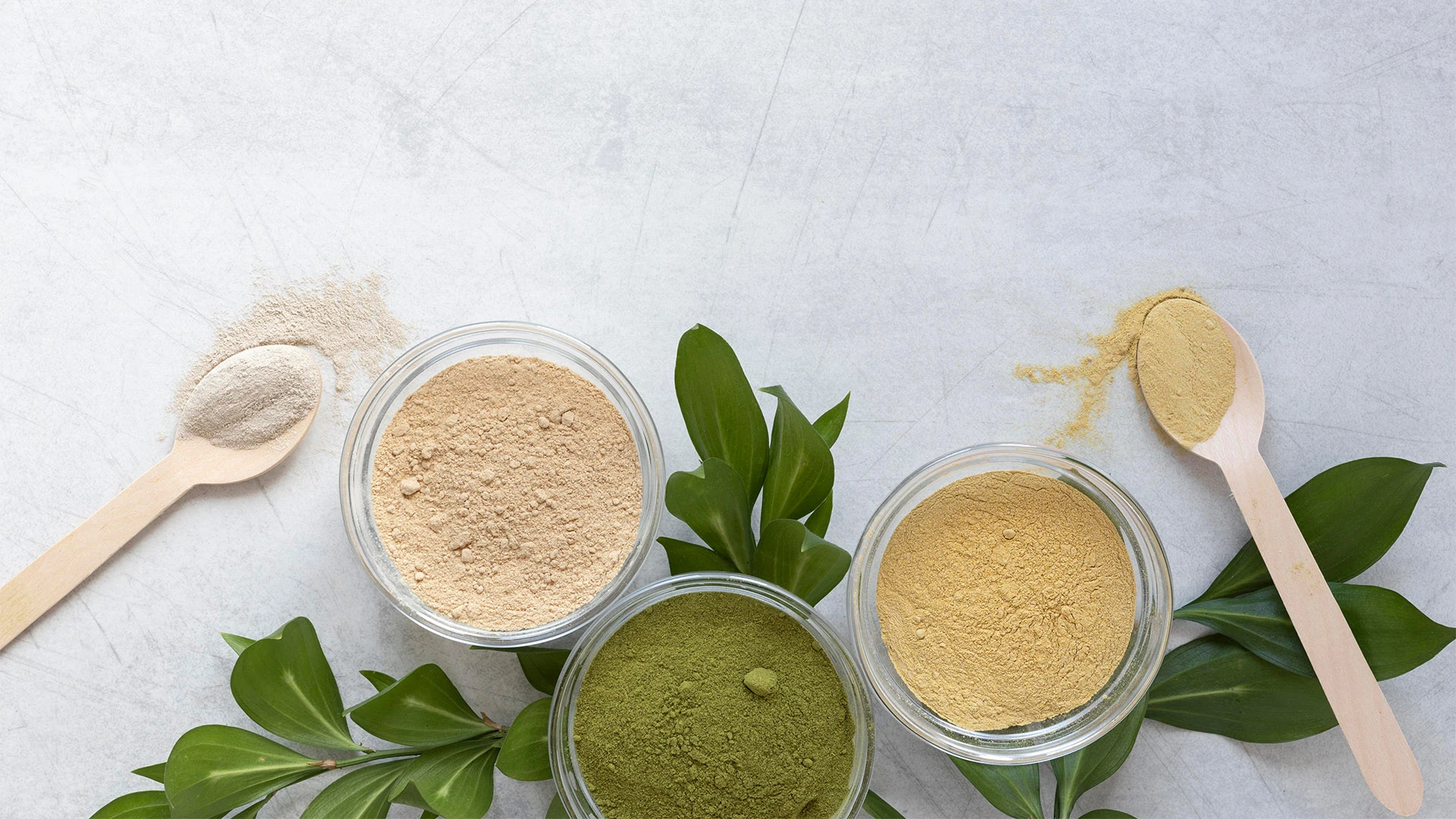
Vegan protein powder for athletes has come a long way in terms of taste, texture, and nutritional completeness. Early formulations were gritty and incomplete — today's options are smooth, well-blended, and often fortified with BCAAs, digestive enzymes, and micronutrients to close any nutritional gaps.
Clinical trials comparing pea protein to whey protein have found comparable results in muscle thickness and strength gains when total protein intake is equated. This confirms that the source of protein matters less than the total amino acid delivery and consistency of intake.
Prioritize products with a complete amino acid profile, third-party testing for purity, minimal added sugars, and a DIAAS or PDCAAS score listed on the label. At Ace Blend, our plant protein formulations are designed with these exact benchmarks in mind — built for athletes who don't want to compromise on quality or performance.
Endurance athletes have unique nutritional demands — high caloric needs, significant muscle breakdown, and extended recovery windows. Plant protein supplements for endurance athletes help address muscle catabolism during long training blocks while supporting glycogen replenishment when paired with adequate carbohydrate intake.
Distance runners, cyclists, and triathletes who adopt plant-based diets often report improved cardiovascular markers and reduced body fat — both of which contribute to better performance-to-weight ratios. Protein remains essential even in endurance contexts, not just for strength athletes.
During peak training phases, endurance athletes may need to push protein intake toward the upper range of recommendations — up to 2.2 grams per kilogram — to offset the increased muscle protein breakdown that comes with high training volume. Plant sources should be distributed evenly across the day to maximize utilization.
Yes. When total protein intake is sufficient and amino acid profiles are complete — either through food variety or blended supplements — plant protein can fully support muscle hypertrophy. Numerous studies and elite plant-based athletes confirm this.
Soy protein is the most complete plant protein, containing all nine essential amino acids in meaningful quantities. Quinoa and hemp are also considered near-complete. Blended powders combining pea and rice protein are another excellent option for athletes seeking a plant protein for active lifestyle.
Most sports nutrition guidelines recommend 1.6 to 2.2 grams of protein per kilogram of body weight daily. Plant-based athletes may benefit from targeting the higher end of this range due to slightly lower digestibility scores of plant proteins.
Absolutely. Plant protein benefits for recovery include muscle repair, reduced inflammation, and antioxidant support — especially when sourced from whole foods rich in phytonutrients. Consuming plant protein within 30–60 minutes post-workout is ideal.
Yes, when sourced from reputable brands with third-party testing. Look for products free from heavy metal contamination — a concern that applies to both plant and animal-based supplements. At Ace Blend, our products undergo rigorous quality testing to ensure safety and purity for daily athletic use.
Lentils, canned chickpeas, black beans, tofu, and edamame are among the most affordable and protein-dense plant foods available. These staples can form the backbone of an athlete nutrition plant protein plan without straining a food budget.
Plant protein for athletes is no longer a question of "if" — it's a question of "how." The science is clear: with adequate intake, smart food choices, and strategic supplementation when needed, plant-based protein fully supports muscle gain, endurance, and recovery at every level of athletic performance.
The most important variables are total protein quantity, amino acid completeness, and consistency over time. Whether you're pulling protein from lentils and tempeh or reaching for a pea-rice blend post-workout, the fundamentals remain the same. Build your plate with intention, stay consistent with your intake, and let the results speak for themselves.


Someone sent you
Powered by ReferRush